
Right Way To Water Your Plants
Posted: March 9, 2026 | Watering in Plants



IN THIS ARTICLE
Understand Your Plant Needs
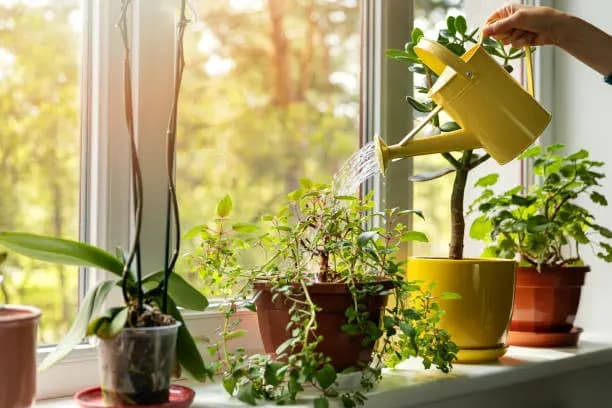
Have you ever stood on your balcony and wondered why one plant looks happy while another struggles right beside it? The answer often lies in understanding what each plant truly needs. Every plant has its own personality. When you pay attention to those needs your balcony can turn into a thriving green space.
 Know Your Plant Type
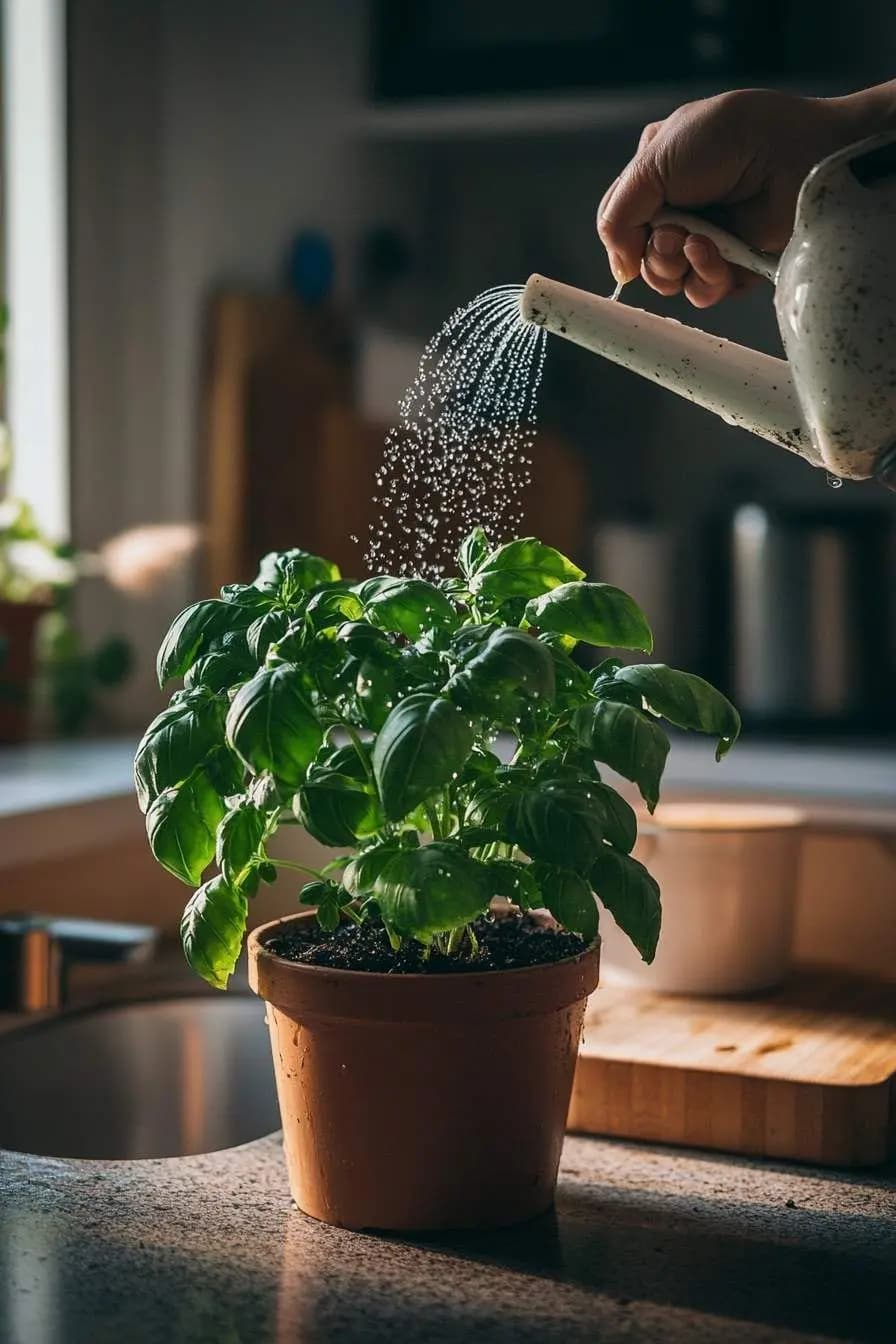
First you need to identify the type of plants you have. Some plants love bright sunlight while others prefer shade. For example herbs often enjoy direct light but indoor plants may need softer light. When you place them in the right spot they grow more naturally and stay healthy.
🌿 When it comes to watering plants at home, one of the most important steps is knowing what kind of plant you have. Many plant care problems begin with a simple mistake — treating all plants the same. In reality, each plant type has its own unique way of using and storing water. Understanding this difference can completely change how your plants grow and thrive.
🌿 Every plant comes from a different natural environment. Some grow in dry deserts, while others thrive in humid forests. Because of this, their water needs are very different. If you water a desert plant too often, it may rot. If you water a moisture-loving plant too little, it may dry out. That’s why identifying your plant type is the first step toward proper watering.
Observe Growth and Changes
Next take time to watch your plants regularly. Look at their leaves and stems. Healthy plants usually have bright leaves and steady growth. However if you notice slow growth or dull color it may signal a problem. By observing closely you can act early and protect your plants.
🌿 Your plants constantly communicate with you through their growth, leaves, and overall appearance. When it comes to watering plants at home, observation is often more reliable than any fixed schedule.
🌿 Observing your plants is like building a connection with them. The more attention you give, the more you understand their needs. Instead of guessing when to water, you begin to respond naturally to what your plant is telling you.
Create a Balanced Environment
Your balcony environment also matters a lot. Wind sunlight and temperature all affect plant health. Try to arrange pots in a way that protects delicate plants while giving enough light to others. A balanced setup helps all plants grow well together.
🌿 Watering plants is not just about how much water you give — it’s also about the environment in which your plants live. Even the perfect watering routine can fail if the surrounding conditions are not balanced. Light, air, temperature, and placement all work together to determine how well your plants absorb water.
🌿 Creating a balanced environment turns plant care into a smooth and enjoyable process. When your plants are placed in the right conditions, watering becomes easier, more effective, and less stressful. With a little attention to your surroundings, your home garden can thrive beautifully — bringing freshness, calmness, and life into your everyday space
Build a Strong Connection with Your Plants
When you understand your plants you build a natural connection with them. You start noticing small changes and respond quickly. As a result your balcony becomes more than just a space. It turns into a peaceful green corner filled with life and freshness.
🌿 Taking care of plants at home is more than just watering them on time — it’s about building a meaningful connection with them. When you start paying attention to your plants, understanding their needs, and responding with care, watering becomes less of a task and more of a natural, calming routine.
🌿 Building a strong connection with your plants changes the way you care for them. It shifts your approach from routine watering to thoughtful nurturing. When you truly understand your plants, they reward you with growth, beauty, and a peaceful environment.
What Makes Watering Effective for Plants
- 🍃
Balanced Watering: Plants need the right amount of water to grow well. Too much water can damage roots while too little can dry them out.
- 🍃
Consistent Moisture Levels: It's crucial to maintain uniform soil moisture. Plants may be stressed by abrupt soil changes from dry to very wet.
- 🍃
Proper Watering Technique: How you water matters just as much as how often. Always water slowly and evenly so it reaches the roots. Avoid splashing too much water on leaves.
- 🍃
Adequate Drainage: Good drainage plays a key role in watering. Pots must have drainage holes so excess water can escape. Without proper drainage roots may sit in water and start to rot.
- 🍃
Healthy Root Environment: Proper watering creates a healthy space for roots to grow. When soil is neither too wet nor too dry roots can breathe and expand. As a result plants become stronger and more resilient.
Common Watering Mistakes to Avoid
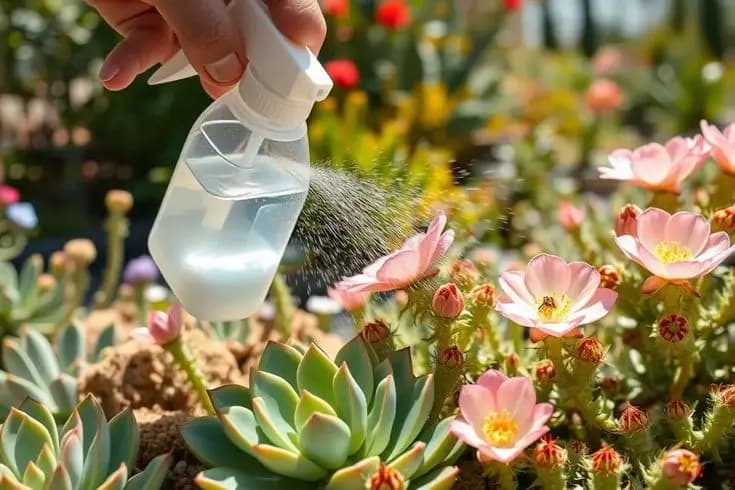
Watering plants may seem simple, but it’s one of the most common reasons plants struggle or fail to thrive. Many plant lovers believe they are doing the right thing, yet small mistakes in watering habits can quietly harm plant health over time. Understanding these mistakes can make a big difference in keeping your plants happy, strong, and full of life.
- ⚠️
Watering on a Fixed Schedule: One of the biggest mistakes people make is watering plants on a strict schedule without checking their actual needs. Plants don’t follow calendars — they respond to their environment.
- ⚠️
Overwatering Out of Care: When soil stays constantly wet, roots don’t get enough oxygen. This can lead to root rot, which weakens the plant and eventually kills it. Healthy plants need a balance — not too dry, not too wet.
- ⚠️
Ignoring Pot Drainage: Good drainage is essential for plant health, yet it’s often overlooked. Pots without drainage holes trap excess water, causing roots to sit in moisture for too long.
- ⚠️
Watering Only the Surface: Lightly sprinkling water on the surface may seem enough, but it often doesn’t reach the deeper roots where it’s needed most.
Avoid Sudden Changes in Plant Care
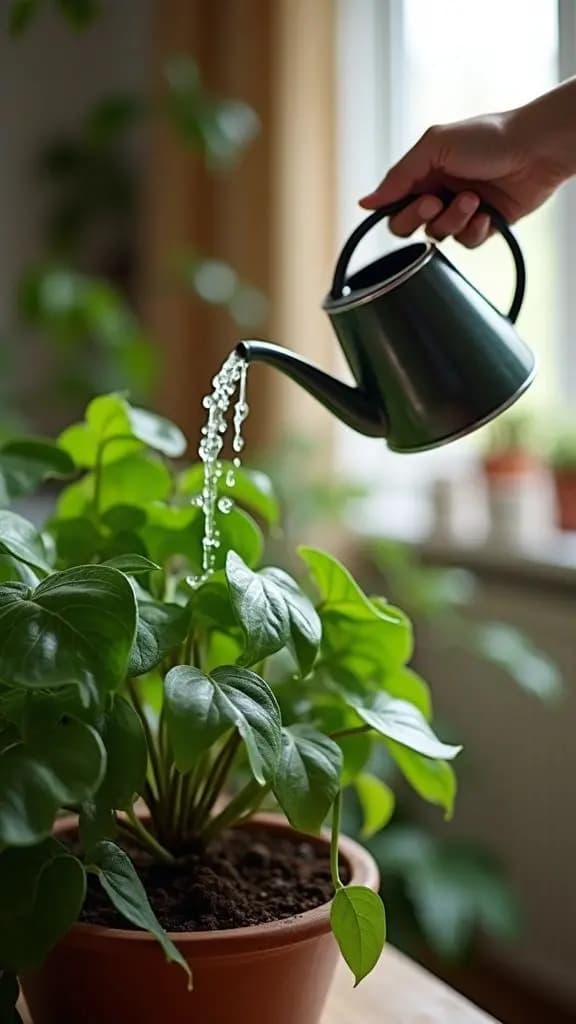
Have you ever changed your watering routine overnight and noticed your plant looking stressed soon after? It might feel surprising, but plants need time to adjust. Sudden changes in watering can disturb their natural balance and affect their growth.
Instead of reacting quickly, it is always better to make small and gradual changes. This helps your plants adapt comfortably and stay healthy over time.
- 🌿
Maintain Consistency: Plants grow best when they receive stable care. Sudden increases or decreases in watering can shock the roots and slow down growth.
- 🌿
Adjust Gradually: If your plant needs more or less water, make changes step by step. This allows roots to adapt without stress.
- 🌿
Watch for Stress Signals: Yellow leaves, drooping stems, or slow growth often indicate sudden changes in care. Observing early helps you correct the issue quickly.
- 🌿
Consider Seasonal Shifts: Weather changes affect watering needs. However, always adjust slowly instead of making drastic changes in your routine.
- 🌿
Keep Soil Conditions Stable: Healthy soil should not shift from very dry to overly wet suddenly. Balanced moisture helps roots stay active and strong.
In the end, plant care is all about patience and observation. When you avoid sudden changes and follow a steady approach, your plants respond with stronger roots, healthier leaves, and consistent growth. Small, mindful steps always create better results than quick fixes. For a consistent watering schedule, you can use the Blooming Den App to set reminders and track your plant's progress.
Can One Simple Plant Transform Your Balcony Completely?
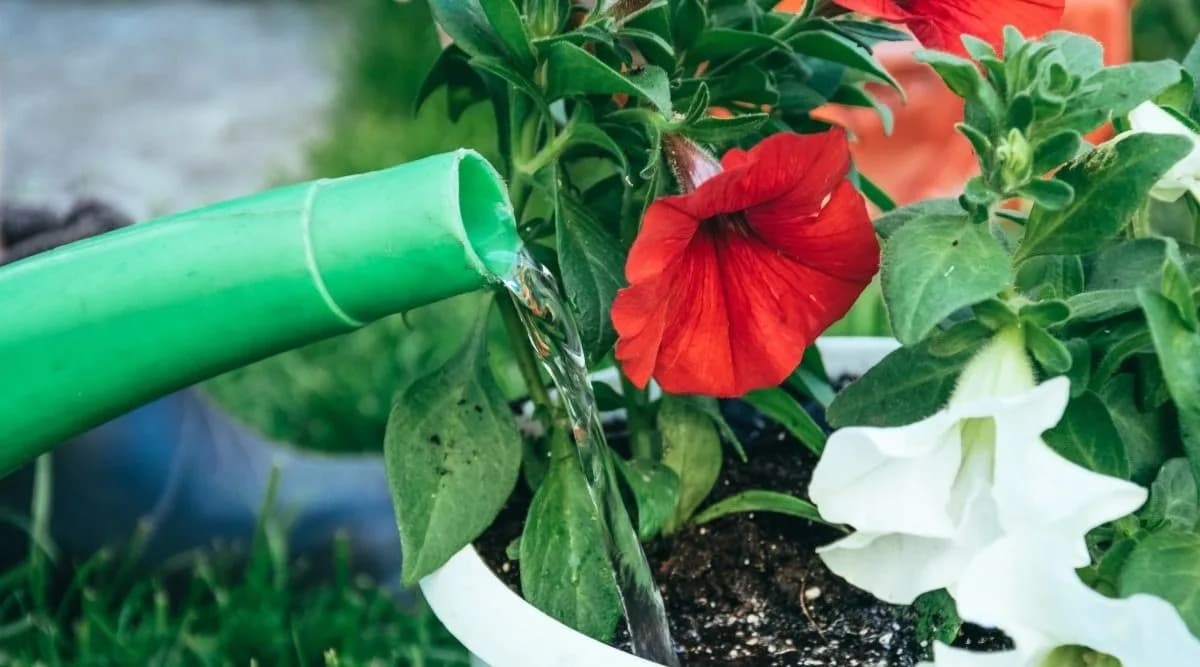
Have you ever looked at your balcony and wondered why it still feels dull even after adding plants? The answer might surprise you. Sometimes, it is not about how many plants you grow, but which plant you choose and how you care for its soil. One such plant that can truly change the look of your space is the Petunia.
Petunia plants are loved for their bright colors and easy care. However, their true beauty only shows when they grow in the right soil. So, if you want your balcony to bloom with life, understanding soil becomes just as important as choosing the plant itself.
Let us explore how you can grow Petunia plants at home and how soil plays a key role in their success.
Why Petunia Plants
Petunias are one of the easiest flowering plants you can grow at home. They come in many colors like pink, purple, white, and even mixed shades. Because of this variety, they instantly make any balcony look lively and fresh.
Moreover, they adapt well to containers. This makes them ideal for small spaces. Even if you live in an apartment, you can still enjoy a garden-like feel with Petunias.
However, while they are easy to grow, they still need proper care. Most importantly, they depend completely on the soil you provide. Since they grow in pots, they cannot search for nutrients on their own. Therefore, the soil must do all the work.
The Importance of Soil for Petunia
Before planting Petunia, it is important to understand why soil matters so much. Soil is not just something that holds the plant in place. In fact, it acts like a complete support system. Good soil provides nutrients. It also controls how much water the plant receives. At the same time, it allows roots to breathe. If the soil is too heavy, water will stay trapped. As a result, roots may rot. On the other hand, if the soil is too dry, the plant will not get enough moisture. Because of this imbalance, the plant may stop flowering. So, choosing the right soil is the first step toward healthy Petunia growth.
The Ideal Soil Mix for Petunia Plants
A good soil mix should be light and well-draining. It should also hold enough moisture without becoming soggy.
You can prepare a simple mix at home:
- 🌿 Garden soil (30%)
- 🌿 Coco peat (30%)
- 🌿 Compost or vermicompost (30%)
- 🌿 Sand or perlite (10%)
This combination works well because each ingredient has a role. Coco peat keeps the soil soft and moist. Compost adds nutrients. Sand improves drainage.
As a result, your Petunia gets the perfect balance it needs to grow and bloom beautifully.
How Soil Affects Flowering in Petunia
Have you ever noticed that some Petunia plants grow leaves but do not produce flowers? This often happens due to poor soil quality.
Healthy soil provides steady nutrients. These nutrients help the plant form buds. Without them, the plant may survive but will not bloom well.
For example, phosphorus is important for flowering. If the soil lacks it, you may see fewer blooms. Similarly, poor drainage can damage roots. When roots are weak, the plant cannot support flowers.
Therefore, if you want bright and full blooms, you must focus on improving soil quality first.
Can One Simple Soil Change Make Your Geranium Bloom Better?
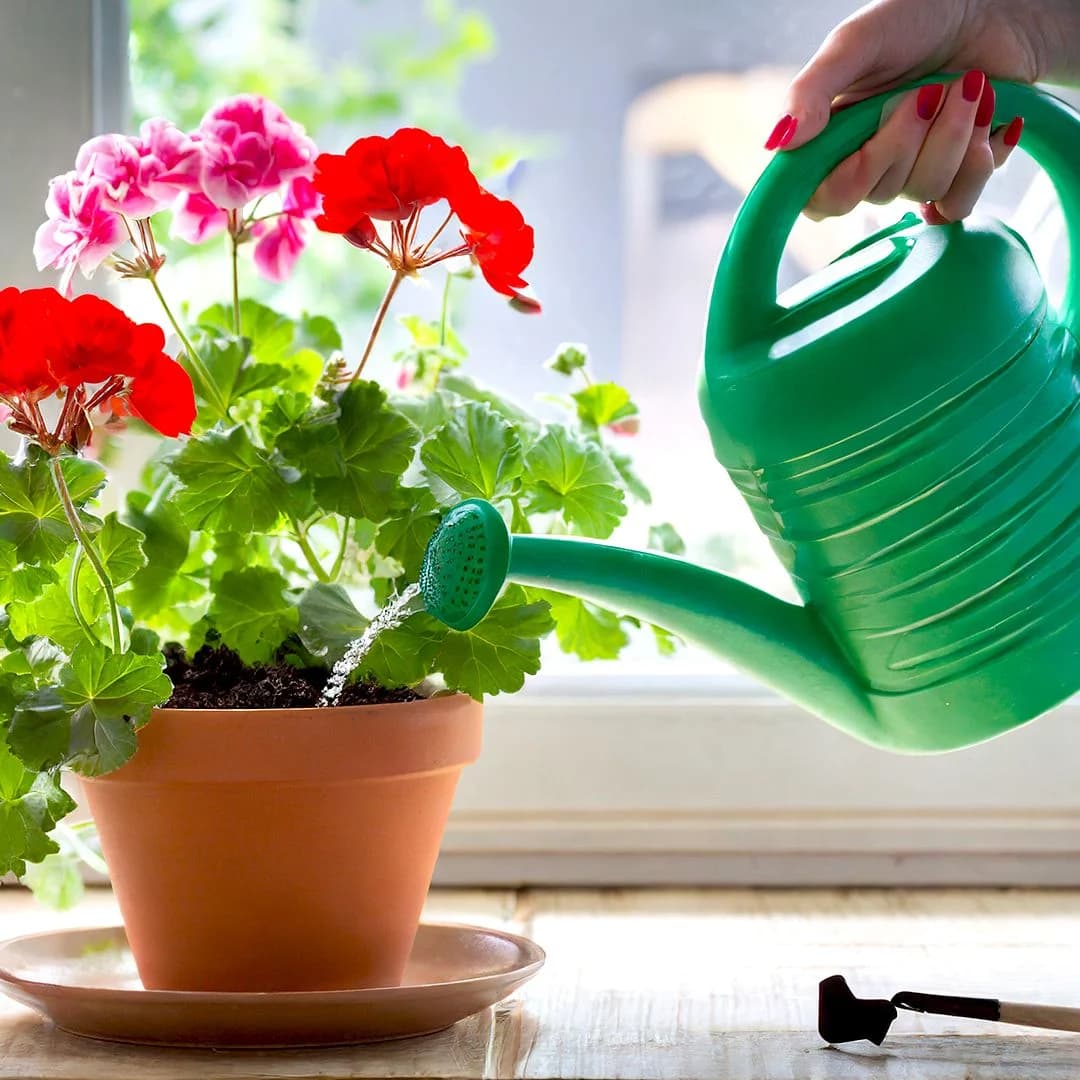
Have you ever grown a Geranium plant at home and wondered why it looks healthy but does not bloom much? You water it, you place it in sunlight, yet something feels missing. The truth is simple. The secret often lies beneath the surface. Yes, it is the soil that makes all the difference.
Geranium plants are known for their bright flowers and fresh look. They can turn any balcony or window into a cheerful space. However, their growth depends heavily on the soil you use. So, if you want your Geranium to thrive, you need to understand how soil supports its life.
Let us explore how you can grow healthy Geranium plants at home and how the right soil can help them bloom beautifully.
Why Geranium Plants Are a Great Choice
Geranium plants are popular for many reasons. First of all, they are easy to care for. Even beginners can grow them without much trouble. In addition, they come in many colors like red, pink, white, and orange.
Because of their compact size, they fit well in pots. This makes them perfect for balconies and small indoor spaces. Moreover, they bloom for a long time when cared for properly.
However, while they seem low maintenance, they still need proper soil. Without good soil, even the strongest Geranium may struggle to grow.
The Role of Soil in Geranium Growth
Soil is more than just a base for the plant. It acts as a support system that provides nutrients, water, and air. Without the right balance, the plant cannot grow well. For example, if the soil holds too much water, roots may rot. On the other hand, if the soil dries too quickly, the plant may not get enough moisture. Therefore, balance is very important. Geranium plants prefer soil that drains well. At the same time, the soil should hold enough moisture to support growth. So, choosing the right mix becomes the key to success.
The Ideal Soil Mix for Geranium Plants
Now that you understand the importance of soil, let us talk about the ideal mix. A good soil mix for Geranium should be light and airy. It should also allow water to pass through easily.
You can prepare a simple mix at home:
- 🌿 Garden soil (40%)
- 🌿 Coco peat (30%)
- 🌿 Compost or vermicompost (20%)
- 🌿 Sand or perlite (10%)
This mix works well because each part supports the plant. Compost adds nutrients. Sand improves drainage. Coco peat keeps the soil soft.
As a result, the roots get enough air and water. This helps the plant grow stronger and healthier.
How Soil Quality Affects Flowering
Many people think sunlight alone helps plants bloom. While sunlight is important, soil quality also plays a major role.
Healthy soil provides steady nutrients. These nutrients help the plant produce buds and flowers. Without them, the plant may grow leaves but not flowers.
For instance, phosphorus supports flowering. If the soil lacks it, blooms may be fewer. Also, poor soil can weaken roots. Weak roots cannot support strong flowers.
So, if your Geranium is not blooming well, you should first check the soil.
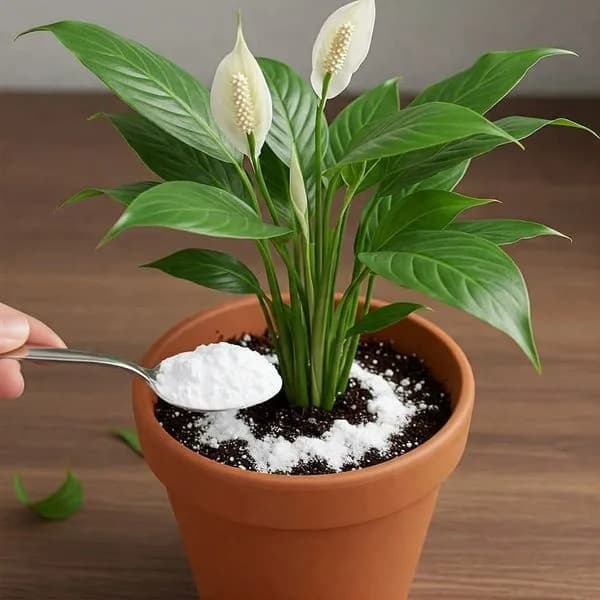
Peace Lily Look Tired Even After Regular Care
Have you ever noticed your Peace Lily drooping even though you water it on time? You might feel confused because you are doing everything right. However, the real issue may not be watering or sunlight. The answer often lies in the soil.
Peace Lily is one of the most loved indoor plants. It adds calmness and beauty to any space. Yet, its health depends greatly on the soil you use. So, if you want your plant to stay fresh and vibrant, understanding soil becomes very important.
Let us explore how you can grow a healthy Peace Lily at home and how the right soil can make a big difference.
Why Peace Lily Is Perfect for Indoor Spaces
Peace Lily is a popular choice for indoor gardening. It grows well in low to medium light. Because of this, it suits homes and apartments where sunlight is limited.
In addition, it has beautiful dark green leaves and elegant white flowers. These flowers give a clean and peaceful look to your space.
Another reason people love this plant is its easy care. It does not demand constant attention. However, this does not mean it can grow in any soil. In fact, soil quality plays a key role in its growth.
Understanding the Importance of Soil for Peace Lily
Soil is not just a support for the plant. It acts like a life system that provides nutrients, water, and air. Without the right soil, the plant cannot grow properly. Peace Lily prefers soil that is moist yet well-draining. If the soil holds too much water, roots may rot. On the other hand, if the soil dries too quickly, the plant may become weak. Therefore, balance is very important. The soil should hold enough moisture while allowing excess water to drain away.
The Ideal Soil Mix for Peace Lily Plants
Now let us look at the best soil mix for Peace Lily. A good mix should be light and rich in organic matter. It should also allow roots to breathe.
You can prepare a simple mix at home:
- 🌿 Garden soil (30%)
- 🌿 Coco peat (30%)
- 🌿 Compost or vermicompost (30%)
- 🌿 Sand or perlite (10%)
This mix works well because it creates the right balance. Coco peat keeps the soil soft and moist. Compost adds nutrients. Sand improves drainage.
As a result, your Peace Lily gets a healthy environment to grow.
How Soil Quality Affects Plant Health
Many people focus only on watering and light. However, soil quality directly affects plant health.
Healthy soil provides steady nutrients. These nutrients help the plant grow strong leaves and flowers. Without them, the plant may look dull.
For example, if the soil lacks organic matter, the plant may not grow well. If drainage is poor, roots may suffer damage.
So, if your Peace Lily is not thriving, you should check the soil first.
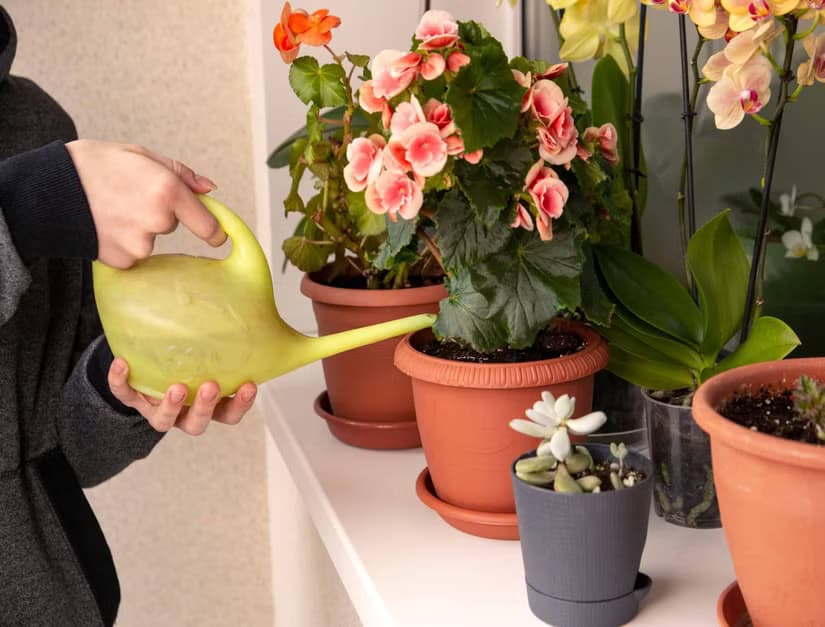
Why Do Some Begonias Thrive While Others Struggle
Have you ever brought home a beautiful Begonia plant and wondered why it slowly lost its charm? The leaves looked dull. The flowers stopped coming. You tried watering and moving it around. Still, something felt off. So, what went wrong?
The answer is often hidden in the soil. Yes, the soil you use can decide whether your Begonia grows happily or struggles to survive. While many people focus on sunlight and watering, soil remains the most ignored factor.
Let us understand how you can grow healthy Begonia plants at home and why the right soil makes all the difference.
Why Begonia Is a Favorite for Indoor and Balcony Gardening
Begonia plants are loved for their unique leaves and delicate flowers. Some varieties have colorful patterns on leaves. Others produce soft blooms in shades of pink, red, and white.
Because of their compact size, they fit perfectly in pots. This makes them ideal for balconies and indoor corners. In addition, they grow well in indirect light. So, you do not need strong sunlight to keep them healthy.
However, Begonias can be a bit sensitive. They respond quickly to changes in their environment. This is why soil quality becomes very important.
The Role of Soil in Begonia Growth
Soil does much more than hold the plant in place. It acts like a support system that provides nutrients, moisture, and air. Begonia plants prefer light and well-draining soil. At the same time, they need soil that can hold some moisture. If the balance is not right, the plant may face problems. For example, if the soil holds too much water, roots may rot. On the other hand, if the soil dries out too fast, the plant may wilt. Therefore, choosing the right soil is the first step toward healthy growth.
The Ideal Soil Mix for BegoniaPlants
Now let us talk about the perfect soil mix. A good mix should be soft, airy, and rich in nutrients.
You can prepare a simple mix at home:
- 🌿 Garden soil (30%)
- 🌿 Coco peat (30%)
- 🌿 Compost or vermicompost (30%)
- 🌿 Sand or perlite (10%)
This mix works well because it creates the right balance. Coco peat keeps the soil light. Compost adds nutrients. Sand improves drainage
As a result, roots get enough air and moisture. This helps the plant grow steadily.
How Soil Quality Affects Begonia Leaves and Flowers
Begonia plants are known for their beautiful leaves and flowers. However, both depend heavily on soil quality.
Healthy soil provides steady nutrients. These nutrients support leaf growth and flower production. Without them, the plant may look weak.
For instance, if the soil lacks organic matter, leaves may lose their shine. If drainage is poor, roots may suffer damage. This can stop flowering.
So, if your Begonia is not looking its best, check the soil first.