
Winter Gardening Guide
Best Plants in Winter in India: Flowers, Indoor Plants & Vegetables
Winter is India's most rewarding gardening season. Discover the best flowering plants for balconies, hardy indoor houseplants, fast-growing kitchen greens, and expert cold-weather care tips.
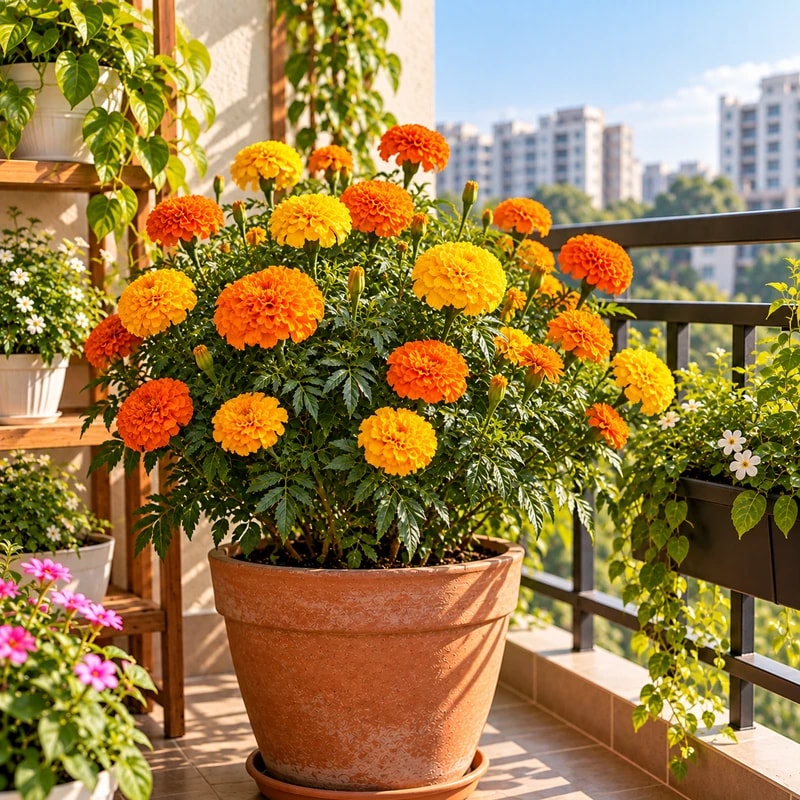
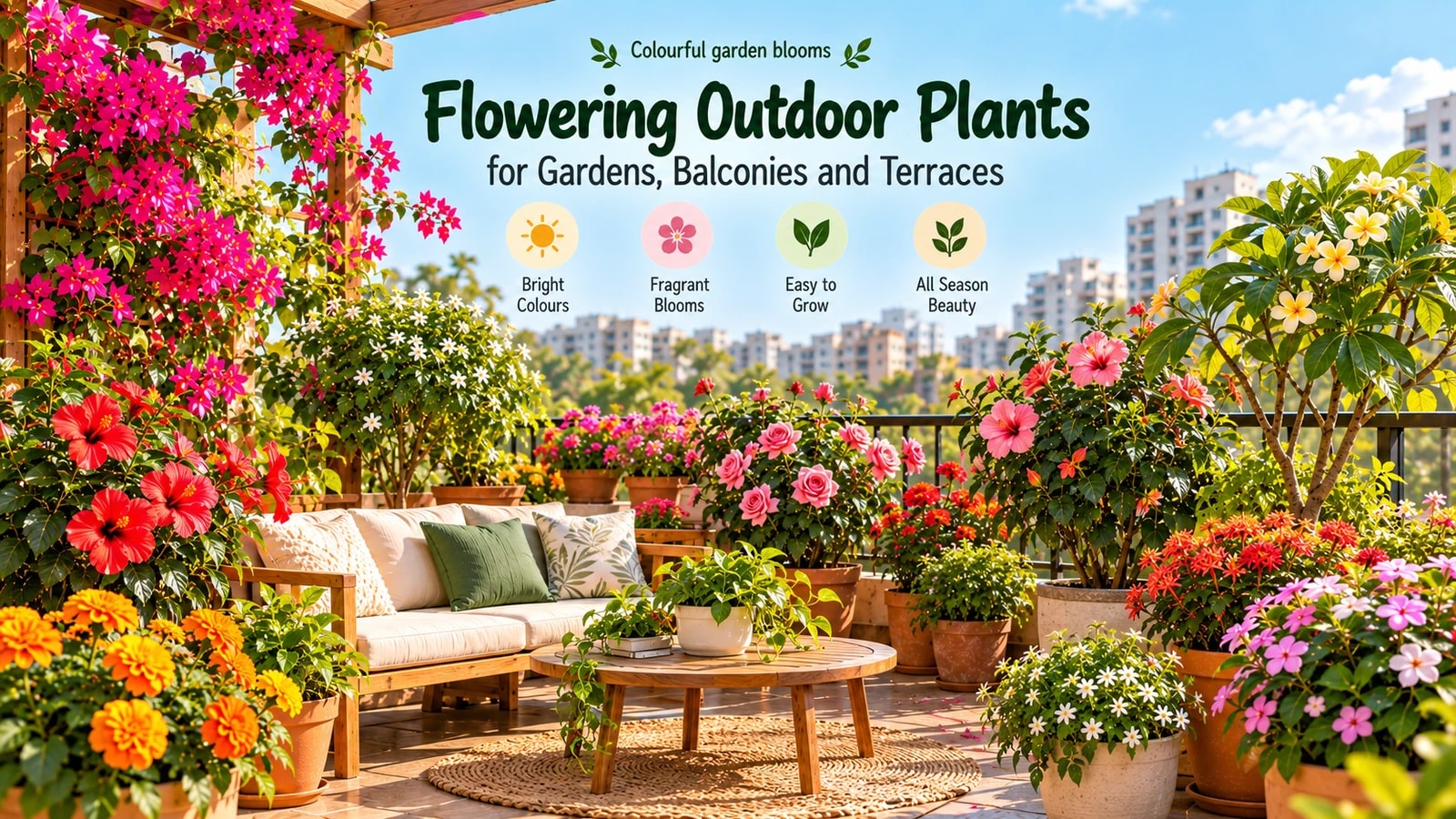
The Winter Garden Renaissance
Why Winter Is the Golden Gardening Season Across India
Unlike tropical summer heat or monsoon dampness, Indian winters offer the ideal microclimate for plant lovers: pleasant daytime sunshine, cool crisp nights, and low pest pressure. From November to April, balconies, patios, and terraces across North, Central, and Western India burst into a riot of vibrant petals, lush ornamental greens, and fresh kitchen vegetables.
Whether you want showstopping cascades of winter flowering plants like Petunias and Guldaudi, hardy indoor houseplants that survive chilly nights effortlessly, or fresh kitchen greens like Palak and Methi, choosing the right plants and adjusting your watering routine makes all the difference.
Winter Gardening Snapshot
Indian Winter Gardening at a Glance
Key environmental requirements and timelines for growing thriving plants during the Indian cold season.
Best planting months
October to February
Optimal sunlight
5–8 hours direct sun (flowers/veggies)
Watering frequency
2–3 times weekly (allow surface to dry)
Best fertilizer
Mustard cake liquid (Sarson Khali) & Vermicompost
Ideal garden locations
South & West-facing balconies, terraces, patios
Indoor winter care
Reduce water by 50%, maximize window light
Frost / Fog defense
Shelter seedlings from overnight winter dew (Pala)
Bloom duration
November through late April
Categories to explore
Top Plant Categories to Grow This Winter
Depending on your sunlight availability, pot space, and gardening goals, explore the three main categories of winter plants in India.
Winter Flowering Plants
Vibrant blooms that transform sunny balconies, window sills, and terraces into dazzling carpets of color.
Recommended Varieties:
- Petunia (All-time favorite trailing bloomer)
- Chrysanthemum / Guldaudi (Auspicious autumn-winter classic)
- Dahlia (Grand dinner-plate size blooms)
- Pansy (Charming butterfly-faced cold lover)
- Marigold / Genda (Hardy, bright, pest-repelling)
- Dianthus / Sweet William (Fragrant fringed petals)
Winter Kitchen Vegetables & Herbs
Crisp, organic greens that grow rapidly in shallow containers and balconies during cooler months.
Recommended Varieties:
- Palak (Spinach - harvest ready in 25–30 days)
- Methi (Fenugreek - rapid, fragrant leafy green)
- Dhaniya (Coriander - lush winter leaves and aroma)
- Cherry Tomatoes (Thrive in sunny winter balconies)
- Radish / Mooli (Crisp white roots in deep pots)
- Green Peas / Matar (Fun climbing winter legume)
Resilient Winter Indoor Plants
Indoor foliage plants that tolerate cooler room temperatures, dry winter air, and lower ambient light gracefully.
Recommended Varieties:
- Snake Plant (Sansevieria - thrives on neglect in winter)
- ZZ Plant (Waxy dark green leaves needing almost zero water)
- Areca Palm (Natural humidifier combating dry indoor winter air)
- Peace Lily (Glossy foliage that brightens shaded living rooms)
- Spider Plant (Hardy air purifier for bedroom nightstands)
- Aglaonema (Chinese Evergreen - rich foliage in winter warmth)
Star Performers
Best Winter Flowering Plants for Indian Pots & Balconies
These cold-weather champions deliver non-stop blooms, vibrant colors, and require simple container care.
Petunia
The reigning monarch of Indian winter balcony gardens. Produces cascading flushes of funnel-shaped flowers in royal purple, velvet red, candy pink, and festive bi-colors. Perfect for hanging baskets and wide railing planters.
Chrysanthemum (Guldaudi / Shevanti)
The pride of Indian winter gardening. From compact pom-poms and delicate buttons to dramatic spider varieties, Guldaudi delivers dense clusters of golden yellow, bronze, magenta, and pristine white flowers from November to February.
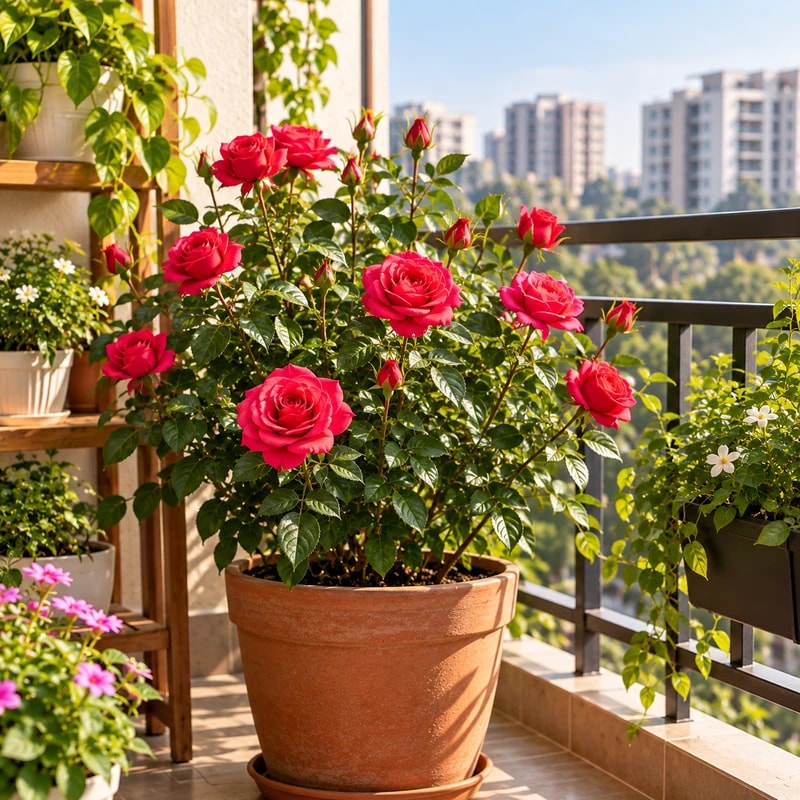
Dahlia
Famous for showstopping, dinner-plate-sized multi-layered blooms. Available in miniature bedding types and towering exhibition varieties, Dahlias demand 6+ hours of full winter sun and rich potassium nutrition.
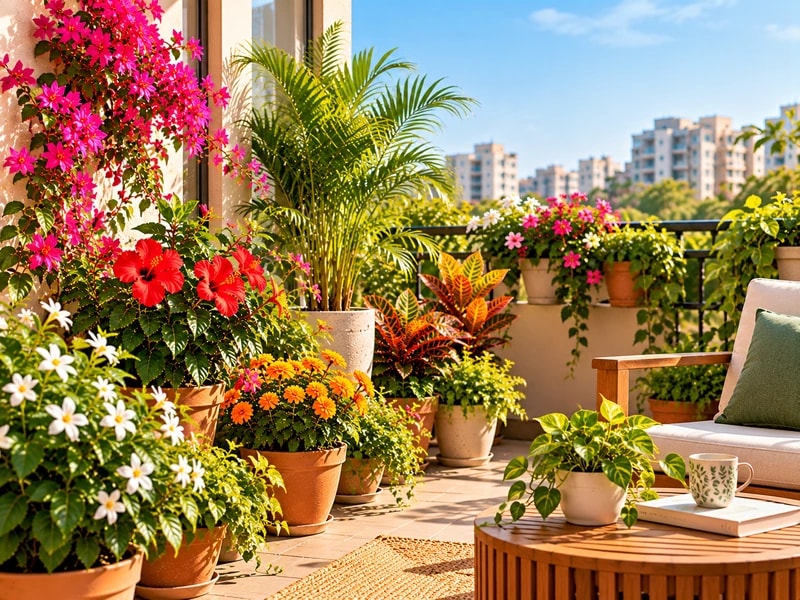
Pansy (Butterfly Flower)
Cherished for charming face-like markings in contrasting velvet purples, yellows, and blues. Pansies love cool temperatures and perform exceptionally well in shallow tabletop bowls and lightly shaded balconies.
French & African Marigold (Genda)
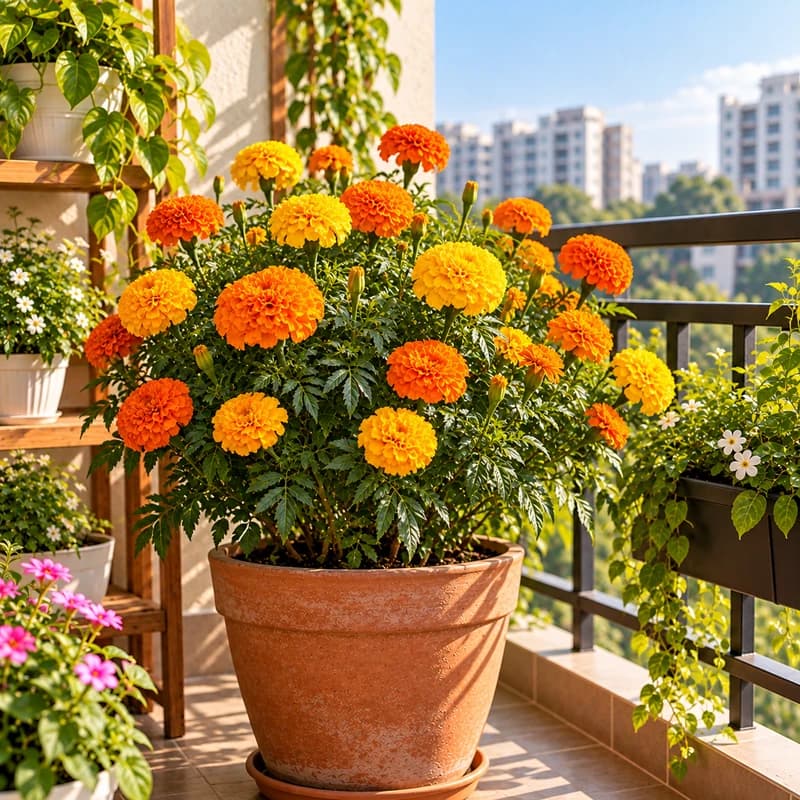
Rugged, auspicious, and intensely cheerful. Marigolds bloom profusely under full winter sun while their natural root and leaf scent repels harmful balcony garden nematodes and aphids.

Dianthus (Sweet William)
Hardy, long-lasting perennials treated as winter annuals. Their fringed, serrated petals in shades of crimson, blush pink, and white continue blooming straight into spring with minimal fuss.
Sunlight Strategy
How to Maximize Winter Sun for Balconies & Terraces
During winter in India, the sun travels at a lower celestial angle across the southern sky. Balconies facing South, South-East, and South-West receive the strongest and longest sun exposure (6 to 8 hours daily).
If your balcony faces North or East, place high-sun bloomers like Petunias and Dahlias right against the outer railing or in hanging planters, and position shade-tolerant Pansies, Begonias, and leafy greens in the softer ambient light.
Rotate your pots 90 degrees every week so all sides receive balanced winter rays, preventing lopsided, one-sided flowering growth.
Expert Care Guide
8 Golden Rules for Winter Plant Care in India
Ensure heavy flowering, lush foliage, and zero root rot with these proven winter maintenance practices.
1. Maximize Direct Sunlight
2. The 'Late Morning' Watering Rule
3. Power-Feed with Sarson Khali (Mustard Cake)
4. Protect from Frost and Cold Night Dew (Pala)
5. Weekly Deadheading for Non-Stop Flowers
6. Adjust Indoor Houseplant Watering by 50%
7. Airy, Compost-Rich Winter Potting Mix
8. Proactive Winter Pest Defense (Aphids & Mealybugs)
Checklist
Winter Gardening Dos and Don'ts
Keep your balcony plants vibrant and your indoor foliage safe with these essential cold-season guidelines.
What to Do in Winter
- Position flowering pots in the sunniest balcony or terrace corner.
- Water plants in the bright morning so the root ball warms up by midday.
- Deadhead faded blooms regularly to trigger continuous bud flushes.
- Apply vermicompost and liquid mustard cake fertilizer every 10–14 days.
- Wipe indoor plant leaves with a soft damp cloth to maximize winter light absorption.
- Loosen topsoil (Gudai) gently once every 2 weeks to aerate root systems.
What to Avoid in Winter
- Never water heavily in late evenings or cold foggy nights.
- Don't leave pots sitting in overflow water saucers filled with cold water.
- Avoid repotting dormant tropical indoor plants during peak cold December/January.
- Don't place indoor houseplants directly in the hot draft of electric room heaters.
- Avoid heavy chemical nitrogen fertilizers that produce weak, leggy foliage vulnerable to cold.
- Don't let dry fallen petals rot on top of moist potting soil.
Kitchen Garden Special
Easy Winter Greens to Grow in Small Pots
Winter is the easiest season to harvest fresh, chemical-free greens right outside your kitchen window. Spinach (Palak), Fenugreek (Methi), and Coriander (Dhaniya) have shallow root systems that thrive in 6- to 8-inch deep plastic or terracotta troughs.
Sow seeds directly onto compost-rich, moist soil and press gently. Within 5–7 days, vibrant sprouts appear, and you can harvest fresh tender leaves by 'cut-and-come-again' harvesting every 2 to 3 weeks.
Pair your greens with a few cherry tomato pots or green chilli plants placed in full direct sunlight for a bountiful organic kitchen garden.
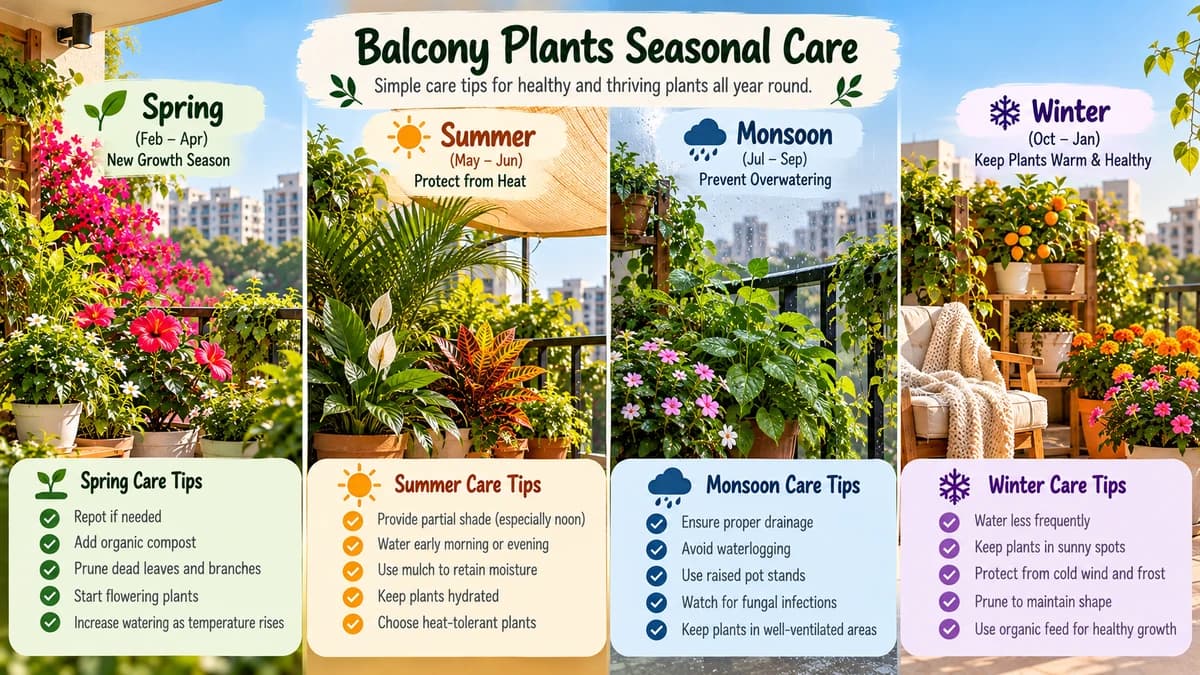
Related reading
Explore More Gardening Guides
Expand your gardening skills with our curated guides on seasonal flowering, organic plant care, and indoor styling.
Winter Flowers
Winter Flowering Plants Guide
Detailed care guide for Petunias, Guldaudi, Dahlias, and balcony flower pots.
Read guide →Seasonal Calendar
Season Specific Plants in India
Month-by-month planting and flowering calendar for Indian home gardens.
Read guide →Indoor Plants
Best Indoor Plants Guide
Explore air-purifying, low-light, and low-maintenance indoor plants for homes.
Read guide →Flowering Outdoor Plants
Outdoor Flowering Plants Guide
Compare perennial outdoor bloomers with seasonal winter annuals.
Read guide →Plant Nutrition
Organic Plant Nutrients & Soil
Explore organic seaweed extract, potting mixes, and fertilizers for winter.
Read guide →Balcony Garden
Balcony Gardening Services
Professional seasonal balcony garden setup and plant maintenance in Gurugram.
Read guide →Frequently Asked Questions
Winter Plants in India: FAQs
Common questions about plant selection, watering schedules, fertilizers, and frost protection in Indian winters.
Which plant is best to grow in winter in India?
For flowering balconies, Petunia, Chrysanthemum (Guldaudi), and Dahlia are the best plants due to their spectacular, long-lasting blooms. For indoor spaces, Snake Plants and ZZ Plants are the best because they tolerate cold, dry winter air with minimal watering. For kitchen gardens, Palak (Spinach) and Methi (Fenugreek) grow fastest and offer multiple harvests.
How often should I water my balcony plants in winter?
Balcony flowering plants in pots generally require watering every 2 to 3 days, only after checking that the top 1 inch of soil is dry. In cooler regions or during peak foggy weeks in North India, watering can be reduced to once or twice a week. Always water in the morning between 9 AM and 11 AM.
What is the best fertilizer for winter flowers in India?
Fermented Mustard Cake Liquid (Sarson ki Khali) combined with organic Vermicompost and Bone Meal (or rock phosphate) is the most effective winter flower fertilizer in India. Ferment 100g of mustard cake in 2 liters of water for 4–5 days, dilute with 10 liters of plain water until it looks like weak tea, and feed plants once every 10 to 14 days.
Can indoor plants survive Indian winters without sunlight?
Yes, hardy indoor plants such as Snake Plants, ZZ Plants, Aglaonemas, and Cast Iron Plants thrive indoors during winter even in indirect light. The key is to reduce watering by 50% compared to summer and keep them away from cold drafty window cracks and hot room heaters.
How do I protect my winter plants from frost and fog in North India?
In regions like Delhi NCR, Punjab, and Haryana where temperatures drop below 8°C with heavy night dew (Pala), move sensitive flowering pots and delicate seedlings under a balcony ceiling or covered veranda. You can also drape breathable green agro-net or light cotton cloth over plants from sunset to 8 AM.
Why are my winter flower buds dropping before blooming?
Bud drop in winter flowers is most commonly caused by either overwatering (chilled waterlogged roots), insufficient direct sunlight (less than 4 hours), or sudden severe temperature drops. Move pots to the brightest sunlit spot and ensure drainage holes are completely open.
Which vegetables grow best in winter containers in India?
Spinach (Palak), Fenugreek (Methi), Coriander (Dhaniya), Radish (Mooli), Cherry Tomatoes, Green Chillies, Lettuce, and Carrots are exceptionally well-suited for container gardening in Indian winter balconies and terraces.
When should I plant winter flowers in India?
The ideal time to sow seeds or plant nursery saplings is mid-October to mid-November when the monsoon humidity fades and daytime temperatures cool down to 25°C–30°C. This allows root systems to establish before peak December flowering.
Blooming Den
Transform your balcony into a blooming winter haven
Order premium seasonal plants, organic potting supplies, or book doorstep garden setup with our expert gardeners in Gurugram and Delhi NCR.