
Gardening Is for Everyone: A Complete Beginner's Guide to Growing Plants at Home
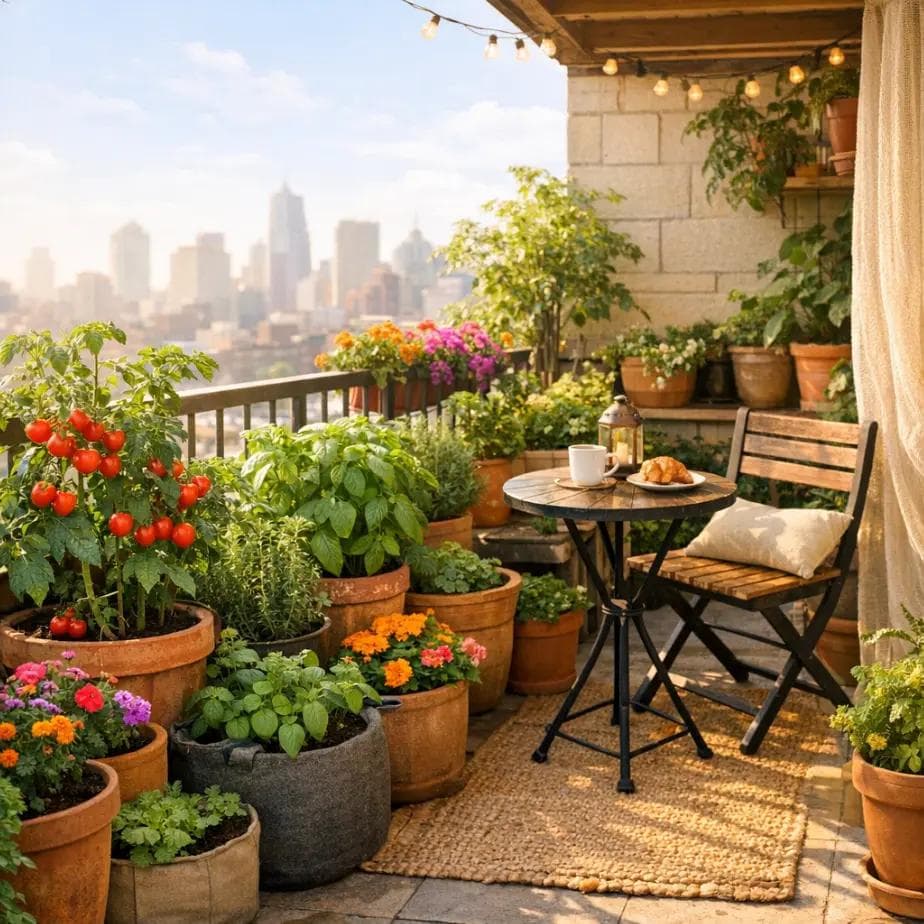
Gardening Is for Everyone
Gardening is much more than a hobby. It is a simple and rewarding way to bring nature into our everyday lives, improve our surroundings, and create a healthier relationship with the environment.
Many people believe that gardening requires a large backyard, expensive tools, or extensive knowledge of plants. In reality, anyone can start gardening, regardless of age, experience, budget, or available space.
A small apartment balcony can become a beautiful green corner. A sunny windowsill can support a collection of herbs. A terrace can turn into a productive vegetable garden, while even a small indoor space can accommodate low-maintenance plants.
The secret to successful gardening is not having more space. It is understanding what plants need and creating an environment where they can grow.
In this guide, we will explore practical ways to start gardening, choose suitable plants, care for them, and gradually build a green space that fits your lifestyle.
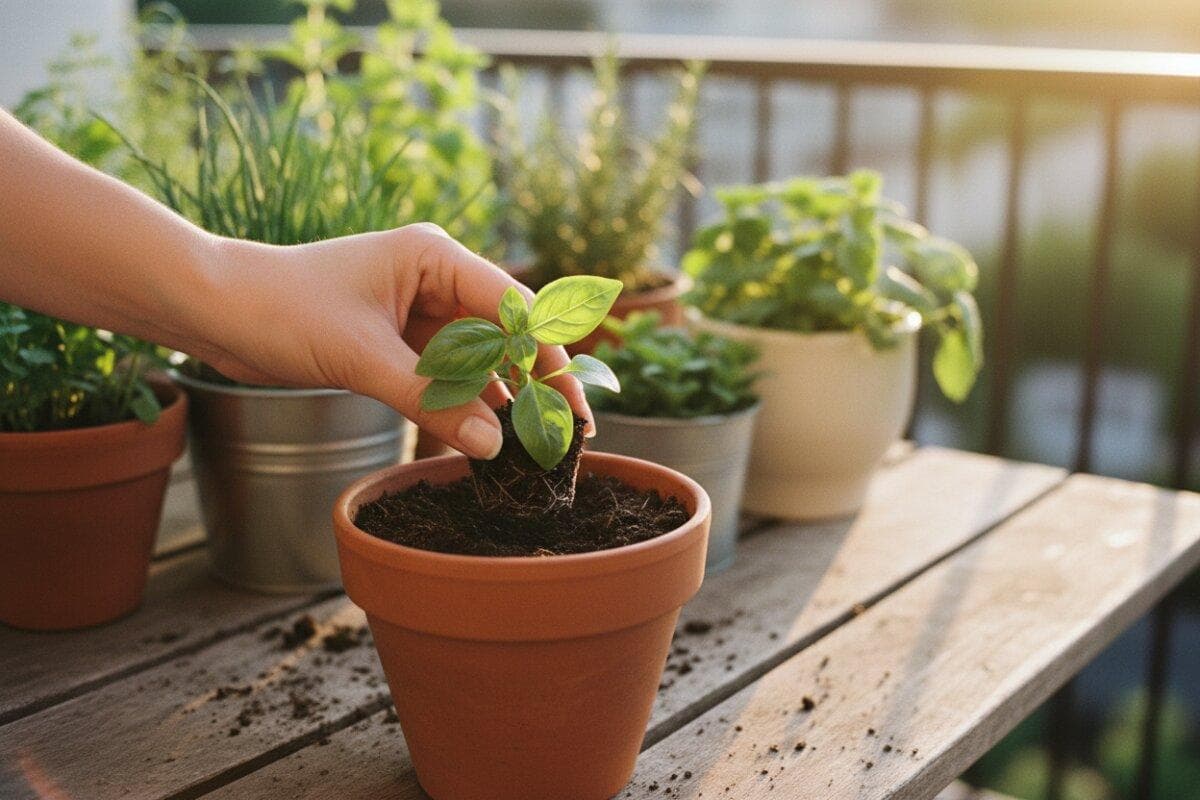
Why Gardening Is Important for Everyone
Our daily lives are increasingly surrounded by buildings, screens, traffic, and busy schedules. Gardening offers an opportunity to reconnect with nature, even in the middle of a city.
Growing plants at home can make living spaces more attractive and encourage us to spend time caring for something beyond our everyday responsibilities.
Here are some meaningful benefits of gardening:
- Creates a greener and more welcoming living environment.
- Encourages physical activity through watering, planting, pruning, and repotting.
- Provides an opportunity to learn about nature, seasons, and plant growth.
- Allows families and children to explore gardening together.
- Makes it possible to grow fresh herbs and selected vegetables at home.
- Encourages composting and responsible use of organic waste.
- Can become a relaxing and rewarding daily hobby.
Gardening is for everyone. You do not need a large garden, expensive tools, or years of experience to grow healthy plants at home — a sunny balcony, a terrace corner, or even a bright windowsill is enough to start. Most beginners fail not because gardening is difficult, but because nobody showed them the few basics that actually matter. This complete beginner's guide covers those basics in simple steps: how to choose the right spot, prepare soil, pick easy plants that forgive mistakes, plant correctly, and water the right way. Start small, learn as you go, and your first few plants will teach you the rest.
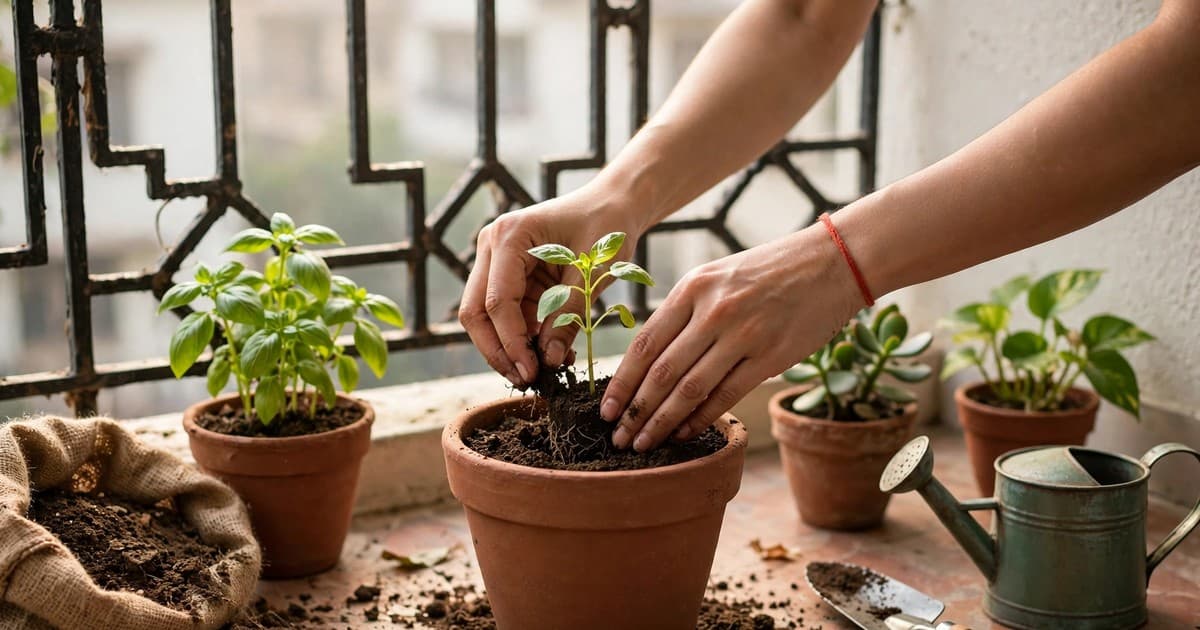
Why Gardening Is for Everyone
Gardening asks for very little: a few pots, some soil, water, and a few minutes of attention most days. In return it gives fresh herbs and vegetables, cleaner air around your home, and a calm daily routine that many people find is the best stress relief of their day. You also do not need to get everything right the first time. Plants are forgiving, seeds are cheap, and every mistake teaches you something a book cannot. If you can keep one plant alive for a month, you can garden — and this guide shows you how to do exactly that.
What You Need to Start Gardening at Home
- • Pots or grow bags with drainage holes — start with 3 to 5
- • A bag of potting mix, or garden soil plus compost and coco peat to mix your own
- • Seeds or small seedlings of 2–3 easy plants
- • A watering can or a simple mug for watering
- • A spot that gets at least 4–6 hours of sunlight
- • One small hand trowel (khurpi) — the only tool a beginner really needs
Step 1: Choose the Right Spot
Sunlight decides what you can grow, so check it before you buy a single plant. Watch your balcony or terrace for one day and note how many hours of direct sun each corner gets. Most vegetables and flowering plants need 5–6 hours of direct sunlight; leafy greens and herbs manage with 3–4; indoor plants like money plant and snake plant are happy with bright indirect light near a window. Also pick a spot close to a water source — a garden that is easy to water is a garden that actually gets watered.
Step 2: Prepare the Soil and Pots
Good soil is loose, dark, and drains freely. A simple mix that works for almost every home plant is equal parts garden soil, compost, and coco peat (or coarse sand) — the compost feeds the plant, and the coco peat keeps the mix light so roots can breathe. Whatever container you use, it must have drainage holes at the bottom; without them, water collects, roots rot, and the plant dies no matter how carefully you water. Fill the pot, level the mix, and water it once before planting so it settles.
Step 3: Pick Easy Plants for Beginners
| Plant | Why It Is Easy | Where to Grow |
|---|---|---|
| Money Plant (Pothos) | Grows in water or soil, tolerates low light and missed waterings | Indoors, balcony shade |
| Tulsi | Hardy, fast-growing, and shows clearly when it needs water | Sunny balcony or terrace |
| Mint | Spreads quickly and keeps coming back after cutting | Pot on a sunny windowsill |
| Marigold | Flowers for months and asks only for sun and regular water | Sunny balcony, terrace |
| Methi (Fenugreek) | Sprouts in days and is ready to harvest in about 3 weeks | Any sunny pot or tray |
Step 4: Plant Your Seeds or Seedlings
- Fill the pot with your soil mix, leaving 2–3 cm free at the top.
- For seeds, sow them at about twice their own size deep — small seeds like methi go just under the surface; cover lightly with mix.
- For a seedling, make a hole, place the root ball in gently, and firm the soil around the stem.
- Water slowly until a little drains out of the bottom holes.
- Keep the pot in bright light, and keep the soil lightly moist — not wet — until you see new growth.
A Simple Weekly Care Routine
- Check soil moisture with your finger before watering — a one-minute job
- Remove dry, yellow, or damaged leaves so the plant's energy goes to new growth
- Turn each pot a quarter turn every week so all sides get light and growth stays even
- Look under a few leaves for pests like mealybugs or aphids, and wipe them off early
- Feed once a month in the growing season with a handful of compost or a diluted liquid fertiliser
Ready to Transform Your Green Space?
Get expert plant advice, garden design, and recurring maintenance service.
Frequently Asked Questions
5 questions with expert answers
A: Start with 3–5 easy plants like money plant, tulsi, or mint, in pots with drainage holes and a simple soil-compost-coco peat mix. Place them where they get the light they need, water only when the top soil feels dry, and learn from those first plants before buying more.
A: The money plant is the most forgiving — it grows in water or soil and survives missed waterings. Tulsi and mint are the best outdoor choices for a sunny Indian balcony, and methi is the fastest first crop to grow from seed.
A: There is no fixed schedule. Check the soil with your finger: water when the top 2–3 cm feels dry. That usually means daily or alternate days in summer, and every 2–4 days in winter, depending on the pot and the plant.
A: Yes. A sunny windowsill is enough for herbs and small indoor plants like money plant, snake plant, and aloe vera. Use compact pots, choose plants that suit indirect light, and you can grow a small garden entirely indoors.
A: The most common reason is overwatering in pots without proper drainage, followed by too little light. Check that your pot has drainage holes, water only when the soil surface dries, and move the plant to a brighter spot — fixing these three things saves most home plants.
Ready to Create Your Own Garden?
Get expert help from Blooming Den to design, set up, and maintain a beautiful, low-maintenance green space.