
Best Indoor Plant Pots: A Complete Guide for Home Gardeners
The right pot can make a big difference to the health and appearance of your indoor plants. A good indoor plant pot provides enough space for roots, supports proper drainage, and complements your home decor. From simple plastic pots to stylish ceramic planters and self-watering pots, there are many options available for houseplants.
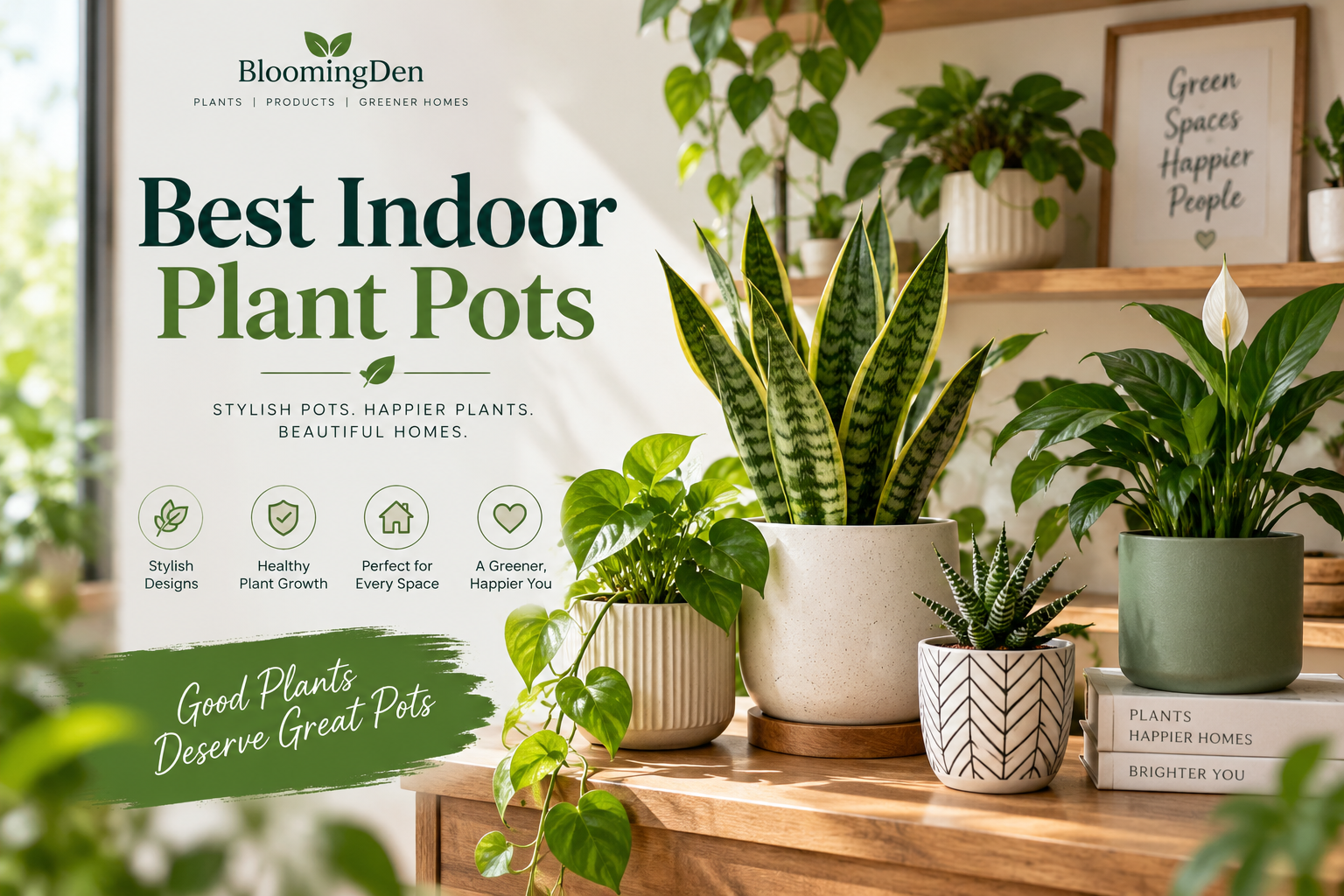
Why Choosing the Right Indoor Plant Pot Matters
Indoor plants depend on their containers for root space, drainage, and stability. A pot that is too small can restrict root growth, while an unnecessarily large pot can hold more moisture than the plant needs. Choosing an appropriate container helps create a better growing environment.
The pot also affects how often you need to water your plant. Materials such as terracotta can allow moisture to escape more readily, while some plastic and glazed ceramic pots retain moisture for longer.
What makes a good indoor plant pot?
- Correct size for the plant and its root system.
- Suitable drainage for the plant's watering requirements.
- Strong enough to support the plant as it grows.
- Material appropriate for indoor growing conditions.
- Stable base that prevents the plant from tipping over.
- A design that works well with your indoor space.
Popular Types of Indoor Plant Pots
Indoor plant pots are available in different materials, shapes, sizes, and designs. Each type has its own advantages, so the best choice depends on the plant you are growing and the conditions inside your home.
| Pot Type | Best For | Main Advantage |
|---|---|---|
| Terracotta | Plants that prefer drier soil | Breathable material |
| Ceramic | Decorative houseplants | Stylish and stable |
| Plastic | Everyday indoor plants | Lightweight and affordable |
| Self-Watering | Busy plant owners | Convenient moisture management |
| Metal | Decorative indoor displays | Modern appearance |
Terracotta Pots for Indoor Plants
Terracotta pots are made from porous clay and are a classic choice for many gardeners. Their porous nature allows air and moisture to move through the pot walls, which can help soil dry more quickly compared with some non-porous containers.
Terracotta can be a good choice for indoor plants that do not like consistently wet soil. However, because the material can dry out faster, you should consider the plant's watering needs before choosing this type of pot.
Tip
Always check whether a terracotta pot has a drainage hole. A decorative appearance is useful, but proper drainage should remain a priority when selecting a container for an indoor plant.
Ceramic Pots for Indoor Plants
Ceramic pots are one of the most popular choices for indoor plants because they combine functionality with attractive designs. They are available in many colors, shapes, patterns, and finishes, making them easy to match with different interior styles.
Glazed ceramic pots are generally less porous than terracotta, which means they can retain moisture for longer. They can be a good option for decorative plant displays, provided the pot has appropriate drainage.
Benefits of ceramic indoor pots
- Available in many decorative designs.
- Can provide good stability for larger plants.
- Suitable for living rooms, bedrooms, offices, and balconies.
- Glazed surfaces are generally easy to wipe and clean.
- Can be used as attractive statement planters.
Plastic Pots for Indoor Plants
Plastic pots are lightweight, affordable, and available in a wide range of sizes. They are commonly used for houseplants because they are easy to move, clean, and replace as plants grow.
Plastic containers can retain moisture longer than porous pots, so watering habits should be adjusted according to the plant and growing conditions. A plastic pot with proper drainage can work well for many common indoor plants.
Advantages of Plastic Pots
- Lightweight and easy to move.
- Usually more affordable than decorative ceramic pots.
- Available in many sizes and shapes.
- Easy to clean and maintain.
- Useful for nursery plants and plant propagation.
Self-Watering Pots for Indoor Plants
Self-watering pots are designed with a water reservoir that can supply moisture to the growing medium through a wicking or similar system. They can be convenient for people who have busy schedules or occasionally forget to water their plants.
However, self-watering pots do not mean that every plant can be watered continuously. Different plants have different moisture requirements, so you should still monitor the soil and follow the needs of the particular plant.
When should you consider a self-watering pot?
- You have a busy daily routine.
- You travel frequently for short periods.
- You want a convenient way to manage watering.
- You grow plants that benefit from more consistent moisture.
Decorative Indoor Plant Pots
Decorative pots can turn ordinary houseplants into attractive parts of your interior design. They are available in ceramic, metal, concrete, plastic, fiber, and other materials.
When choosing a decorative planter, do not focus only on its appearance. Check whether it provides suitable drainage and enough space for the plant. A beautiful planter is useful only when it also supports healthy plant growth.
Nursery Pot vs Decorative Pot
Many indoor plants are sold in simple nursery pots. These lightweight containers are often practical for growing and transporting plants, while decorative pots are primarily used to improve the appearance of the display.
| Feature | Nursery Pot | Decorative Pot |
|---|---|---|
| Main Purpose | Growing the plant | Display and decoration |
| Weight | Usually lightweight | Varies by material |
| Drainage | Usually designed for drainage | Must be checked before use |
| Appearance | Simple | Decorative |
How to Choose the Right Pot Size for Indoor Plants
Pot size is one of the most important factors when choosing a container for an indoor plant. A pot that is too small can restrict root growth, while a pot that is unnecessarily large can hold excess moisture and take up valuable indoor space.
Instead of choosing a pot based only on the size of the plant above the soil, consider the existing root system and the plant's expected growth. When repotting, a moderate increase in pot size is generally more practical than moving a small plant into a very large container.
Small Pots
Small pots are suitable for seedlings, cuttings, herbs, and compact indoor plants. They are also useful for plants that naturally remain small. Make sure the container provides enough room for the roots and has suitable drainage.
Medium Pots
Medium-sized pots are suitable for many common houseplants as they mature. They provide enough room for root development without taking up excessive space in your home.
Large Pots
Large pots work well for bigger indoor plants such as mature palms, rubber plants, large monsteras, and other plants that develop substantial root systems. Because large containers hold more growing medium, drainage and watering should be managed carefully.
Simple pot-sizing guide
- Seedlings: Small containers with room for early root development.
- Small houseplants: Small to medium pots.
- Growing houseplants: Medium pots with additional root space.
- Large indoor plants: Larger, stable containers.
- Repotting: Move to a suitably larger pot rather than an excessively large one.
Why Drainage Holes Matter in Indoor Plant Pots
Proper drainage is one of the most important features of a plant pot. Drainage holes allow excess water to leave the container instead of remaining around the roots.
A decorative pot without drainage can still be used as an outer cover for a plant growing in a suitable inner container. This approach allows you to enjoy decorative designs while maintaining better control over excess water.
Remember
A drainage hole does not automatically make a pot suitable for every plant. Pot size, soil mix, watering habits, and the plant's moisture requirements should all be considered together.
Best Indoor Pots for Popular Houseplants
Different houseplants have different watering and root requirements. The following guide can help you choose a practical pot type for some common indoor plants.
| Plant | Suitable Pot Type | Important Feature |
|---|---|---|
| Snake Plant | Terracotta or well-drained plastic | Good drainage |
| Money Plant | Plastic, ceramic, or self-watering | Appropriate moisture management |
| Peace Lily | Ceramic or plastic | Drainage and suitable moisture |
| Spider Plant | Plastic or ceramic | Drainage and adequate root space |
| Succulents | Terracotta | Fast drainage and drying |
| Monstera | Large plastic or ceramic | Stability and root space |
Choosing Pots Based on Your Home Interior
Indoor plant pots are not only functional containers; they can also become part of your home's decoration. Choose colors, shapes, and materials that complement your furniture and interior style without compromising the plant's growing requirements.
- Minimalist interiors: Simple white, neutral, or matte-finish pots.
- Modern interiors: Geometric, concrete, or contemporary planters.
- Traditional interiors: Terracotta or patterned ceramic pots.
- Small spaces: Compact pots and vertical plant displays.
- Large living areas: Larger decorative planters for statement plants.
Common Mistakes to Avoid When Choosing Indoor Plant Pots
A beautiful pot does not always mean it is the right pot for your plant. Many indoor gardening problems can be avoided by paying attention to pot size, drainage, material, and the plant's specific requirements.
Choosing a Pot That Is Too Large
Moving a small plant into a very large container may seem like a way to avoid frequent repotting, but a larger volume of soil can retain moisture for longer. Choose a container that provides appropriate room for the plant's root system instead.
Ignoring Drainage
One of the most common mistakes is selecting a decorative pot without considering how excess water will escape. Whenever possible, choose a pot with a suitable drainage hole or use a well-drained inner nursery pot inside a decorative outer planter.
Choosing a Pot Only for Appearance
Attractive colors and designs can make a plant display look better, but the plant's growing requirements should come first. Consider drainage, size, stability, and material before choosing a decorative planter.
Forgetting About Plant Growth
Some indoor plants grow quickly and may need to be repotted as their roots develop. Check the plant regularly and watch for signs that the current container is becoming unsuitable.
How to Repot an Indoor Plant
Repotting gives a growing plant more suitable root space and allows you to refresh its growing medium when necessary. The process should be done carefully to minimize unnecessary stress on the plant.
- Choose a clean pot that is appropriately sized for the plant.
- Make sure the new container provides suitable drainage.
- Prepare fresh, plant-appropriate growing medium.
- Carefully remove the plant from its existing container.
- Inspect the root system and remove unsuitable material if necessary.
- Place the plant at an appropriate depth in the new container.
- Fill around the roots with fresh growing medium.
- Water according to the plant's requirements.
- Place the plant in a suitable location and monitor it after repotting.
When Should You Consider Repotting?
- The plant has significantly outgrown its current container.
- Roots are becoming crowded in the pot.
- The growing medium has degraded and needs refreshing.
- The plant frequently becomes unstable because of its size.
- The current container no longer provides suitable drainage.
Frequently Asked Questions About Indoor Plant Pots
What type of pot is best for indoor plants?
There is no single best pot for every indoor plant. Terracotta, ceramic, plastic, and self-watering pots can all be useful depending on the plant's moisture requirements, size, drainage needs, and the location where it will be kept.
Are ceramic pots good for indoor plants?
Yes. Ceramic pots are popular for indoor plants because they are attractive and can provide good stability. Make sure the pot has suitable drainage or use it as an outer decorative planter.
Are plastic pots suitable for houseplants?
Yes. Plastic pots are lightweight, affordable, and available in many sizes. They can work well for many houseplants when the pot provides appropriate drainage.
Do indoor plant pots need drainage holes?
Proper drainage is important for many indoor plants because it allows excess water to leave the container. If a decorative planter has no drainage hole, you can use a suitable inner pot with drainage inside it.
Which pots are best for succulents?
Terracotta pots are a popular choice for succulents because the porous material can allow the growing medium to dry more readily. Regardless of material, good drainage and an appropriate growing medium are important.
Can I use a decorative pot without a drainage hole?
Yes, as an outer planter. Keep the plant in an appropriately sized inner pot with drainage and place it inside the decorative container. This also makes it easier to remove the plant when watering or maintaining it.
How often should indoor plants be repotted?
Repotting frequency depends on the plant, its growth rate, container size, and growing conditions. Instead of following a fixed schedule, check the plant and root system regularly and repot when the existing container becomes unsuitable.
Indoor Plant Pot Buying Checklist
Before buying an indoor plant pot, look beyond its appearance. The right container should support healthy plant growth while also fitting naturally into your home. Use this checklist to compare different pots before making a purchase.
What to check before buying
- Pot size: Choose a size appropriate for the plant's current root system and expected growth.
- Drainage: Check whether the pot has a suitable drainage hole or can accommodate an inner pot.
- Material: Select terracotta, ceramic, plastic, or another material according to the plant's requirements.
- Stability: Larger plants need a stable container that is less likely to tip over.
- Weight: Consider whether you will need to move the plant regularly.
- Design: Choose a color, shape, and finish that complements your indoor space.
- Maintenance: Consider how easy the pot is to clean and maintain.
Best Indoor Plant Pots by Use
The ideal pot depends on where you keep your plants and how you care for them. Here is a simple guide to help you select a practical option.
| Requirement | Recommended Pot | Main Benefit |
|---|---|---|
| Budget-Friendly | Plastic | Affordable and lightweight |
| Decorative Display | Ceramic | Attractive designs |
| Better Drying | Terracotta | Porous material |
| Convenient Watering | Self-Watering | Helps manage moisture conveniently |
| Large Plants | Large Ceramic or Plastic | Stability and adequate root space |
How to Make Indoor Plant Pots Look Better in Your Home
Plant pots can become an important part of your interior decoration. Instead of choosing every pot individually, consider creating a consistent look across your indoor plant collection.
- Use similar colors for plants displayed in the same area.
- Combine different pot sizes to create visual variety.
- Use larger statement planters for mature indoor plants.
- Place smaller pots on shelves, tables, and window areas.
- Choose neutral colors when you want the plants to remain the main focus.
- Use decorative outer planters around practical nursery pots.
Create a Healthy and Beautiful Indoor Plant Collection
A great indoor plant display is about more than choosing attractive containers. Match each pot to the plant's size, drainage requirements, watering habits, and available space. This approach helps you create a collection that looks good while giving your plants a suitable growing environment.
Final Thoughts: Choosing the Best Indoor Plant Pots
The best indoor plant pots are those that balance plant health, functionality, and style. Terracotta can be useful for plants that benefit from faster drying, plastic pots offer an affordable and lightweight option, ceramic pots are excellent for decorative displays, and self-watering pots can provide added convenience for suitable plants.
Whatever material you choose, always consider pot size, drainage, stability, and the specific needs of your plant. A well-chosen container can make plant care easier while helping your indoor garden look more organized and attractive.
Ready to Build a Beautiful Indoor Garden?
From choosing the right plants and pots to creating a beautiful home garden, BloomingDen can help you make plant care simpler and more enjoyable.
Explore BloomingDen for more plant-care guides, gardening tips, and solutions for your home garden.