
Best Plants for Balcony in India 2026: Beautiful, Easy & Balcony-Friendly Plants
Gardening Made Easy: Discover the best plants for Indian balconies, including flowering plants, herbs, climbers, low-maintenance plants, and options for sunny or shaded balconies.
Posted: August 12, 2026 | Balcony Gardening
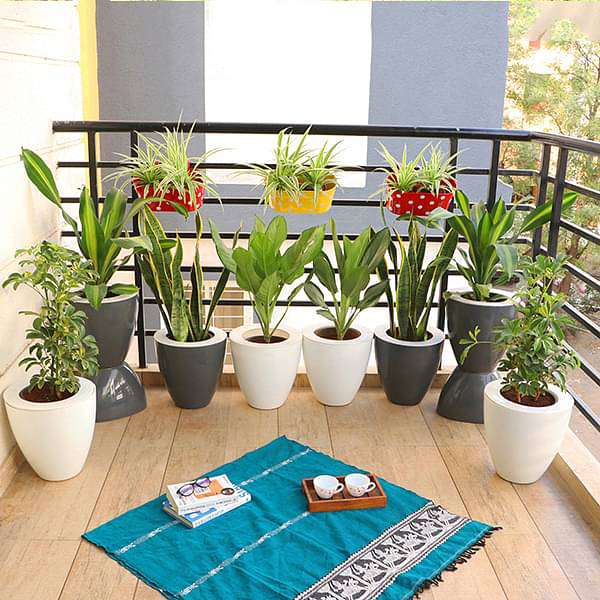
A balcony can become a beautiful green space even when you have limited room. With the right plants, pots, and placement, an Indian balcony can support flowering plants, herbs, climbers, ornamental foliage, and even small vegetables.
The best balcony plants depend mainly on sunlight, wind exposure, balcony size, temperature, and how much time you can spend on maintenance. Sunny balconies can support plants such as Bougainvillea, Marigold, Hibiscus, Jasmine, Tulsi, and Aloe Vera, while shaded balconies can be better suited to Money Plant, Snake Plant, Spider Plant, and Peace Lily.
Container size and drainage are also important. Balcony plants are usually grown in pots or grow bags, so choosing the right container and preventing waterlogging can make a significant difference to plant health.
In this guide, we cover the best plants for balconies in India, including flowering plants, herbs, climbers, low-maintenance plants, plants for sunny and shaded balconies, placement ideas, care tips, and common balcony gardening mistakes.
IN THIS ARTICLE
- Bougainvillea
- Marigold
- Hibiscus
- Jasmine
- Tulsi / Holy Basil
- Money Plant / Pothos
- Aloe Vera
- Spider Plant
- Snake Plant
- Areca Palm
- Geranium
- Best Plants for a Sunny Balcony
- Best Plants for a Shaded Balcony
- Best Plants for a Small Balcony
- Best Herbs for Balcony Gardening
- How to Arrange Plants on a Balcony
- How to Care for Balcony Plants
- Common Balcony Gardening Mistakes
- Quick Balcony Plant Cheat Sheet
- Frequently Asked Questions
1. Bougainvillea
Bougainvillea is one of the most popular choices for sunny Indian balconies. Its colorful bracts can add a dramatic splash of pink, purple, red, orange, or white to the space.
It prefers plenty of sunlight and good drainage. A suitable support or trellis can help guide its growth, making it useful for balconies where you want vertical greenery and color.
- Light: 5–6+ hours of sunlight
- Watering: Allow the soil to dry somewhat between waterings
- Soil: Very well-draining soil
- Maintenance: Moderate pruning
2. Marigold
Marigold is an easy and colorful flowering plant for balconies. Its yellow and orange flowers can brighten up pots, railings, window boxes, and balcony corners.
It performs well with good sunlight and regular but controlled watering. Removing faded flowers can help maintain the plant's appearance and encourage further blooming.
- Light: 5–6 hours of sunlight
- Watering: Water when the topsoil begins to dry
- Soil: Fertile and well-draining soil
- Maintenance: Low
3. Hibiscus
Hibiscus is an excellent choice for a bright balcony where you want large, colorful flowers. With the right pot, sunlight, nutrition, and regular pruning, it can become a beautiful balcony feature.
Hibiscus generally prefers plenty of sunlight and regular moisture. Avoid keeping the roots constantly waterlogged and provide enough room for the plant to develop.
- Light: 5–6+ hours of sunlight
- Watering: Keep soil moderately moist
- Soil: Fertile and well-draining soil
- Maintenance: Moderate
4. Jasmine
Jasmine can bring fragrant flowers and a pleasant natural character to a balcony. It is especially attractive when grown near a railing, trellis, or other support where the plant can climb.
Provide good sunlight, suitable support, and well-draining soil. Pruning can help keep the plant manageable in a container and encourage healthy new growth.
- Light: 4–6+ hours of sunlight
- Watering: Water when the upper soil begins to dry
- Soil: Fertile and well-draining soil
- Maintenance: Moderate
5. Tulsi / Holy Basil
Tulsi is a popular container plant for Indian homes. It can be grown on balconies where there is sufficient sunlight and good airflow.
Regular harvesting and pinching can help maintain a compact, bushy shape. Avoid excessive watering and make sure the container drains freely after irrigation.
- Light: 4–6 hours of sunlight
- Watering: Water when the topsoil begins to dry
- Soil: Fertile and well-draining soil
- Maintenance: Low to moderate
6. Money Plant / Pothos
Money Plant, commonly referring to Pothos, is a versatile choice for balconies that receive indirect or filtered light. Its trailing vines can be trained along a railing, trellis, or hanging planter.
It is relatively easy to maintain and can adapt to different indoor and semi-outdoor conditions. Protect it from harsh direct afternoon sunlight if the leaves show signs of scorching.
- Light: Low to bright indirect light
- Watering: Allow the topsoil to dry before watering
- Soil: Loose and well-draining potting mix
- Maintenance: Low
7. Aloe Vera
Aloe Vera is a compact and low-maintenance succulent that can perform well on sunny balconies. Its thick leaves store water, allowing it to tolerate periods of dryness.
Use a well-draining succulent-style soil mix and avoid frequent watering. Aloe Vera is especially useful when you want greenery but do not have time for daily plant care.
- Light: Bright light to some direct sunlight
- Watering: Allow soil to dry thoroughly between waterings
- Soil: Cactus or succulent-style well-draining mix
- Maintenance: Very low
8. Spider Plant
Spider Plant is a compact and attractive option for balconies with bright indirect light. Its arching leaves and trailing plantlets work particularly well in hanging baskets and railing planters.
Protect it from extremely harsh direct afternoon sunlight in hot regions. Water when the upper soil begins to dry and use a container with good drainage.
- Light: Moderate to bright indirect light
- Watering: Water when the topsoil begins to dry
- Soil: Loose and well-draining soil
- Maintenance: Low
9. Snake Plant
Snake Plant is a hardy choice for balcony gardeners who want a low-maintenance plant. Its upright leaves take up relatively little space and work well in corners or along walls.
It can tolerate a range of lighting conditions, although extremely intense direct sunlight may not be ideal for every variety. Allow the soil to dry between waterings and avoid waterlogged containers.
- Light: Low to bright indirect light
- Watering: Allow soil to dry between waterings
- Soil: Well-draining potting mix
- Maintenance: Very low
10. Areca Palm
Areca Palm can bring a tropical appearance to a spacious balcony. Its feathery foliage works well as a large container plant and can provide a strong green focal point.
Bright indirect light is generally suitable, while harsh exposure in some locations may require protection. Use a large enough container and maintain moderate soil moisture with good drainage.
- Light: Bright indirect light
- Watering: Water when the upper soil begins to dry
- Soil: Fertile and well-draining soil
- Maintenance: Moderate
11. Geranium
Geranium can be an attractive balcony plant where temperatures and light conditions are suitable. Its colorful flowers work particularly well in pots, railing planters, and window boxes.
Provide plenty of light and good drainage. Avoid keeping the soil constantly wet and remove faded flowers to keep the plant looking tidy.
- Light: 4–6 hours of sunlight
- Watering: Water when the topsoil begins to dry
- Soil: Well-draining fertile soil
- Maintenance: Low to moderate
Best Plants for a Sunny Balcony
If your balcony receives several hours of direct sunlight, you have more options for flowering plants, herbs, and sun-loving container plants. During very hot weather, however, monitor plants for heat stress and protect sensitive varieties when necessary.
| Plant | Light | Best For |
|---|---|---|
| Bougainvillea | 5–6+ hours | Flowering and vertical growth |
| Hibiscus | 5–6+ hours | Large colorful flowers |
| Marigold | 5–6 hours | Easy flowering |
| Jasmine | 4–6+ hours | Fragrance and climbers |
| Tulsi | 4–6 hours | Herbs and greenery |
| Aloe Vera | Bright light | Low-maintenance greenery |
Best Plants for a Shaded Balcony
Balconies facing away from strong sunlight can still support many plants. Choose plants that prefer bright indirect or filtered light rather than placing sun-loving flowering plants in a dark corner.
| Plant | Light | Maintenance |
|---|---|---|
| Money Plant | Low–Bright Indirect | Low |
| Snake Plant | Low–Bright Indirect | Very Low |
| Spider Plant | Moderate–Bright Indirect | Low |
| Areca Palm | Bright Indirect | Moderate |
Best Plants for a Small Balcony
Small balconies can still become attractive gardens when you use vertical space efficiently. Hanging baskets, railing planters, wall-mounted pots, and narrow containers can help you grow more plants without blocking valuable walking space.
| Location | Recommended Plants |
|---|---|
| Railing Planter | Marigold, Geranium, Herbs |
| Hanging Basket | Money Plant, Spider Plant |
| Corner | Snake Plant, Aloe Vera, Areca Palm |
| Wall / Trellis | Jasmine, Bougainvillea, Money Plant |
| Windowsill | Tulsi, Mint, Coriander, Aloe Vera |
Best Herbs for Balcony Gardening
A balcony can be a convenient place to grow fresh herbs for everyday cooking. Choose a sunny location whenever possible and use individual containers for herbs that have different watering requirements.
| Herb | Light | Container |
|---|---|---|
| Mint | Bright | Medium pot |
| Coriander | Bright | Shallow container |
| Tulsi | Bright | Medium pot |
| Curry Leaf | Full Sun | Large container |
| Lemongrass | Full Sun | Large container |
| Rosemary | Bright Sun | Medium container |
How to Arrange Plants on a Balcony
1. Use Vertical Space
Trellises, wall planters, and hanging baskets can help you grow more plants without using too much floor space. Climbers such as Jasmine and Bougainvillea can be trained vertically with suitable support.
2. Keep Tall Plants at the Back
Place taller plants such as Areca Palm or Hibiscus toward the back or corners of the balcony and use smaller plants toward the front. This creates a more organized appearance and helps prevent smaller plants from being overshadowed.
3. Group Plants by Light Requirements
Keep sun-loving plants together in brighter areas and move shade-tolerant plants to locations with filtered or indirect light. This makes plant care easier and helps avoid placing plants in unsuitable conditions.
4. Leave Enough Walking Space
Avoid filling every available area with pots. Keep doors, drainage outlets, and walking paths accessible so the balcony remains safe and practical.
5. Use Stable Containers
Balcony containers can be exposed to wind and weather. Use stable pots and appropriate railing planters, and ensure containers are positioned securely rather than creating a falling hazard.
How to Care for Balcony Plants
1. Check the Soil Before Watering
Balcony pots can dry faster than indoor containers because of sunlight and wind. Check the soil before watering and adjust the frequency according to the season and plant type.
2. Ensure Proper Drainage
Every balcony container should have suitable drainage. Excess water should be able to escape freely to prevent waterlogging and root problems.
3. Protect Plants from Extreme Heat
Indian summers can make balcony surfaces and containers extremely hot. Monitor plants for wilting, leaf scorch, and other signs of heat stress. Some plants may benefit from temporary shade during extreme conditions.
4. Check Plants After Strong Winds
Strong balcony winds can knock over containers or damage tall plants. Secure large pots and check supports, trellises, and hanging baskets regularly.
5. Prune Regularly
Remove dead, damaged, or excessively long growth when appropriate. Pruning can help maintain the shape of balcony plants and keep them from taking over limited space.
6. Feed During Active Growth
Flowering plants, herbs, and actively growing container plants can benefit from suitable nutrition. Use compost or an appropriate fertilizer according to the specific plant's requirements.
Common Balcony Gardening Mistakes
- Choosing plants without checking how much sunlight the balcony receives
- Overwatering containers because balcony plants dry quickly
- Using pots without proper drainage holes
- Placing too many heavy containers in one small area
- Blocking the balcony's drainage outlets with pots or soil
- Leaving tall plants and hanging baskets unsecured during strong winds
- Exposing shade-loving plants to harsh afternoon sunlight
- Ignoring heat stress during extreme Indian summer temperatures
- Filling the entire balcony with plants and leaving no comfortable walking space
Quick Balcony Plant Cheat Sheet
| Plant | Light | Maintenance | Best For |
|---|---|---|---|
| Bougainvillea | Full Sun | Moderate | Sunny balconies and climbers |
| Marigold | Full Sun | Low | Colorful flowers |
| Hibiscus | Full Sun | Moderate | Large flowers |
| Jasmine | Bright Sun | Moderate | Fragrance and climbers |
| Tulsi | Bright Sun | Low–Moderate | Herbs and greenery |
| Money Plant | Low–Bright Indirect | Low | Hanging and vertical gardens |
| Aloe Vera | Bright | Very Low | Sunny balconies |
| Snake Plant | Low–Bright Indirect | Very Low | Small spaces |
| Areca Palm | Bright Indirect | Moderate | Large balconies |
Frequently Asked Questions
Q1. Which are the best plants for balconies in India?
Q2. Which plants are best for a sunny balcony?
Q3. Which plants are good for a shaded balcony?
Q4. What are the best plants for a small balcony?
Q5. Can I grow vegetables and herbs on my balcony?
Q6. How often should I water balcony plants?
Q7. Is Bougainvillea good for an Indian balcony?
Q8. Which balcony plants require the least maintenance?
Q9. How can I protect balcony plants during Indian summer?
Q10. How do I arrange plants on a small balcony?
Author Bio
Written by the Blooming Den Gardening Team – Verified plant experts helping urban India go green since 2025. We deliver plants, supplies, and professional care to your doorstep.