
Best Plants for Bedroom in India 2026: Low-Maintenance Indoor Plants for Better Spaces
Gardening Made Easy: Discover the best bedroom plants for Indian homes, including low-light, air-purifying, and easy-care indoor plants.
Posted: August 12, 2026 | Indoor Gardening
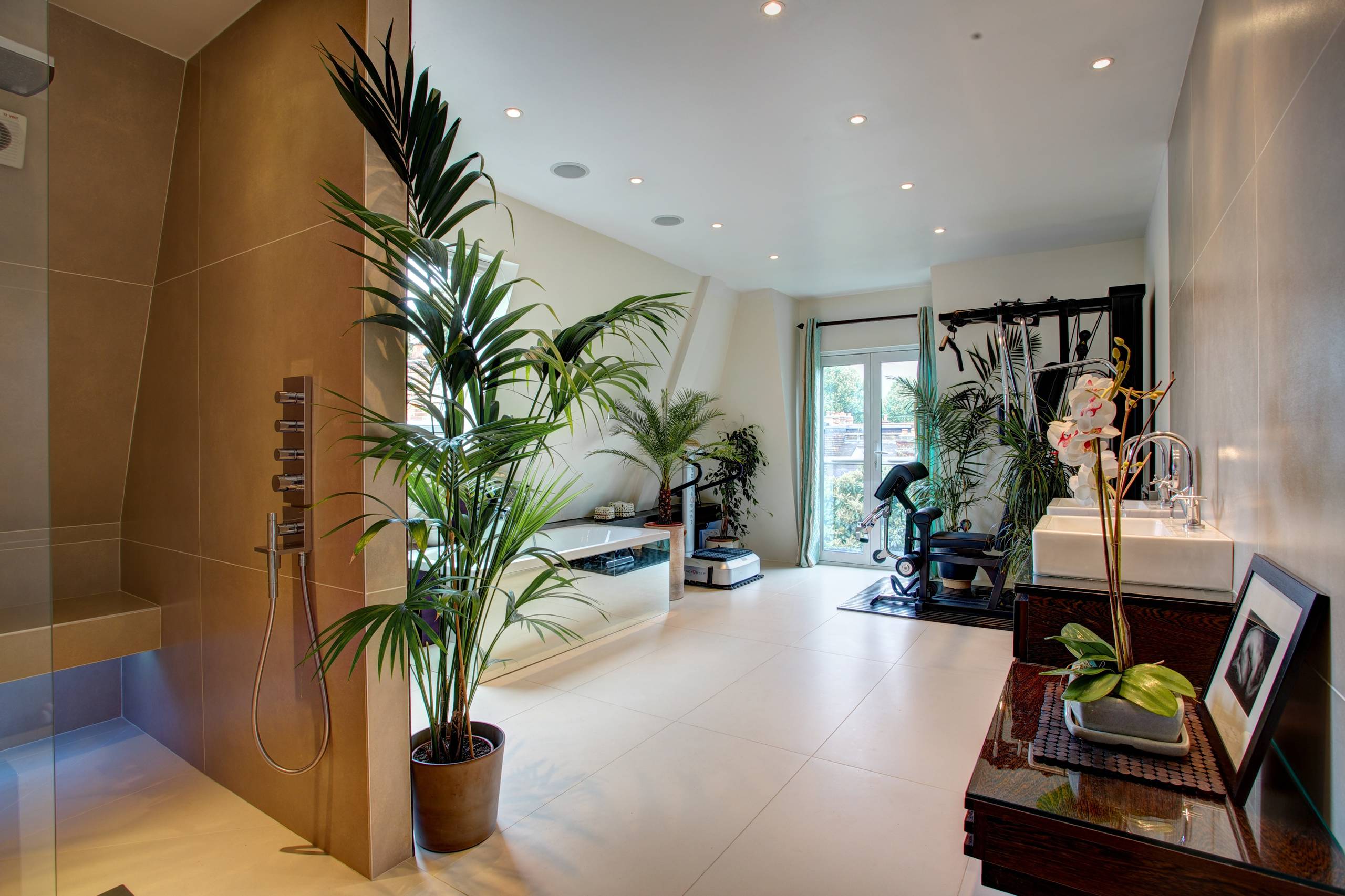
Adding plants to your bedroom can make the space feel fresher, greener, and more relaxing. Indoor plants can also bring natural texture and color to bedrooms while fitting into different decorating styles.
The best bedroom plants for Indian homes are generally those that can adapt to indoor conditions, tolerate moderate or low light, and do not require constant maintenance. Snake Plant, ZZ Plant, Peace Lily, Spider Plant, Areca Palm, and Pothos are popular choices for bedrooms.
However, every bedroom is different. A room with a bright window will support different plants from a darker room, while air conditioning, humidity, temperature, and watering habits can also affect plant health.
In this guide, we cover the best plants for bedrooms in India, including low-light plants, beginner-friendly options, plants for small bedrooms, care tips, placement ideas, and common mistakes to avoid.
IN THIS ARTICLE
- Snake Plant
- ZZ Plant
- Peace Lily
- Spider Plant
- Pothos / Money Plant
- Areca Palm
- Rubber Plant
- Parlor Palm
- Aloe Vera
- Lucky Bamboo
- Best Low-Light Plants for Bedrooms
- Best Plants for Small Bedrooms
- Where to Place Plants in Your Bedroom
- How to Care for Bedroom Plants
- Common Bedroom Plant Mistakes
- Quick Bedroom Plant Cheat Sheet
- Frequently Asked Questions
1. Snake Plant
Snake Plant is one of the most popular choices for bedrooms because it is attractive, hardy, and relatively easy to maintain. Its upright leaves make it especially useful when floor space is limited.
It can tolerate lower-light conditions, although brighter indirect light can support stronger growth. Allow the soil to dry between waterings and avoid keeping the roots constantly wet.
- Light: Low to bright indirect light
- Watering: Allow soil to dry between waterings
- Soil: Well-draining potting mix
- Maintenance: Very low
2. ZZ Plant
ZZ Plant is an excellent bedroom plant for beginners. Its glossy green foliage gives bedrooms a clean, modern appearance, while its ability to tolerate lower light makes it useful for rooms without strong sunlight.
ZZ Plants store water in their underground structures, so they generally prefer allowing the soil to dry between waterings rather than remaining constantly wet.
- Light: Low to bright indirect light
- Watering: Water only after the soil has dried
- Soil: Well-draining soil
- Maintenance: Very low
3. Peace Lily
Peace Lily is a popular indoor plant known for its dark green foliage and distinctive white flowers. It can add a soft, elegant appearance to bedrooms and other indoor spaces.
Peace Lilies prefer bright indirect light for reliable flowering but can tolerate lower light. They appreciate consistent moisture, although the soil should not remain waterlogged.
4. Spider Plant
Spider Plant is a beginner-friendly indoor plant with attractive arching leaves. It is particularly useful for shelves, bedside tables, hanging planters, and other areas where its trailing growth can be displayed.
Provide bright indirect light when possible and water when the upper layer of soil begins to dry. Avoid leaving the plant in standing water.
- Light: Bright indirect light to moderate light
- Watering: Water when the topsoil begins to dry
- Soil: Loose and well-draining soil
- Maintenance: Low
5. Pothos / Money Plant
Pothos, commonly called Money Plant in India, is one of the easiest indoor plants for bedrooms. Its trailing vines can be placed on shelves, cabinets, hanging planters, or trained around suitable supports.
Pothos adapts to a range of indoor lighting conditions. Brighter indirect light generally supports stronger growth and more pronounced leaf patterns in variegated varieties.
- Light: Low to bright indirect light
- Watering: Allow the topsoil to dry before watering
- Soil: Well-draining potting mix
- Maintenance: Low
6. Areca Palm
Areca Palm is a popular choice for larger bedrooms because of its graceful, feathery foliage. It can create a tropical and refreshing appearance while filling an empty corner.
Areca Palm generally performs best in bright indirect light and appreciates moderate humidity. Keep the soil moderately moist but make sure excess water can drain away.
7. Rubber Plant
Rubber Plant is an attractive indoor plant with large, glossy leaves. It works well as a statement plant in medium to large bedrooms and can add a strong natural element to modern interiors.
Bright indirect light is ideal for healthy growth. Water when the top layer of soil dries and rotate the pot periodically so the plant grows evenly toward the light source.
- Light: Bright indirect light
- Watering: Allow the topsoil to dry between waterings
- Soil: Rich and well-draining soil
- Maintenance: Low to moderate
8. Parlor Palm
Parlor Palm is a compact palm that can work well in bedrooms where you want a softer, tropical appearance without using a very large plant.
It prefers moderate to bright indirect light but can adapt to lower indoor light. Avoid both extremely dry soil and consistently saturated soil.
9. Aloe Vera
Aloe Vera is a compact succulent that can be useful for bright bedrooms, windowsills, and small indoor spaces. Its fleshy leaves store water, allowing the plant to tolerate periods of dryness.
Aloe Vera needs more light than many low-light bedroom plants. A bright window with indirect or some direct sunlight can help it grow well. Avoid frequent watering and poorly draining soil.
- Light: Bright indirect light to some direct sunlight
- Watering: Allow soil to dry thoroughly between waterings
- Soil: Cactus or succulent-style well-draining mix
- Maintenance: Very low
10. Lucky Bamboo
Lucky Bamboo is a compact indoor plant often used on bedside tables, shelves, desks, and other small surfaces. Its simple upright stems make it a good decorative choice for minimalist bedrooms.
It prefers bright indirect light and should be protected from harsh direct sunlight. If grown in water, keep the water clean and refresh it regularly. If grown in soil, use a well-draining medium.
- Light: Bright indirect light
- Watering: Maintain appropriate moisture without stagnation
- Soil: Well-draining soil when grown in soil
- Maintenance: Low
Best Low-Light Plants for Bedrooms
If your bedroom does not receive much natural light, choose plants that can tolerate lower-light conditions. Keep in mind that low light does not mean no light. Most plants still need some natural or suitable artificial light to remain healthy.
| Plant | Light Requirement | Maintenance |
|---|---|---|
| Snake Plant | Low to bright indirect | Very Low |
| ZZ Plant | Low to bright indirect | Very Low |
| Pothos | Low to bright indirect | Low |
| Peace Lily | Low to bright indirect | Low to Moderate |
| Parlor Palm | Low to bright indirect | Low |
Best Plants for Small Bedrooms
Small bedrooms do not require large floor plants. Compact plants can be placed on shelves, bedside tables, window ledges, or wall-mounted planters without taking up valuable floor space.
| Location | Recommended Plants |
|---|---|
| Bedside Table | Lucky Bamboo, Snake Plant, Aloe Vera |
| Shelf | Pothos, Spider Plant, ZZ Plant |
| Window Ledge | Aloe Vera, Spider Plant, Snake Plant |
| Bedroom Corner | Areca Palm, Rubber Plant, Parlor Palm |
| Hanging Planter | Pothos, Spider Plant |
Where to Place Plants in Your Bedroom
1. Near a Bright Window
A bright window can provide useful natural light for indoor plants. Keep light-sensitive plants away from harsh direct afternoon sunlight if their leaves show signs of scorching.
2. On a Bedside Table
Compact plants such as Lucky Bamboo, small Snake Plants, or Aloe Vera can work well on bedside tables. Choose a stable pot and avoid placing plants where they can easily be knocked over.
3. On Shelves
Pothos and Spider Plants can be excellent shelf plants because their foliage can trail downward. Make sure the shelf receives enough light and can safely support the planter.
4. In Empty Corners
Larger plants such as Areca Palm, Rubber Plant, or Parlor Palm can fill empty bedroom corners. Leave enough space around the plant for airflow and maintenance.
5. Avoid Blocking Ventilation
Do not place plants directly in front of air-conditioning vents or block important airflow around the room. Sudden temperature changes can stress some indoor plants.
How to Care for Bedroom Plants
1. Do Not Overwater
Overwatering is one of the most common problems with indoor plants. Check the soil before watering and use pots with proper drainage holes.
2. Provide Suitable Light
Choose plants according to the natural light available in your bedroom. A low-light plant can struggle in complete darkness, while a sun-loving plant may not perform well in a dim room.
3. Keep Leaves Clean
Dust can accumulate on indoor plant leaves. Gently wiping large leaves with a clean, damp cloth can help keep them looking attractive and makes it easier to inspect the plant for pests.
4. Check for Pests
Inspect leaves, stems, and the soil surface regularly for pests such as mealybugs, scale, spider mites, or fungus gnats. Early detection makes treatment easier.
5. Rotate Plants
If a plant receives light mainly from one direction, rotate the pot periodically so different sides receive light and growth remains more balanced.
6. Fertilize Moderately
Indoor plants generally do not need excessive fertilizer. Feed during active growth using a suitable fertilizer and follow the recommended application rate.
Common Bedroom Plant Mistakes
- Keeping plants in complete darkness because they are described as low-light plants
- Watering plants on a fixed daily schedule
- Using pots without drainage holes
- Placing plants directly under strong air-conditioning airflow
- Choosing a large plant for a very small room without considering available space
- Ignoring yellow leaves, pests, or signs of root problems
- Using decorative containers without ensuring excess water can drain away
- Assuming every indoor plant has exactly the same light and watering requirements
Quick Bedroom Plant Cheat Sheet
| Plant | Light | Maintenance | Best For |
|---|---|---|---|
| Snake Plant | Low–Bright Indirect | Very Low | Beginners and small spaces |
| ZZ Plant | Low–Bright Indirect | Very Low | Low-light bedrooms |
| Peace Lily | Low–Bright Indirect | Low–Moderate | Decorative bedrooms |
| Spider Plant | Moderate–Bright Indirect | Low | Shelves and hanging planters |
| Pothos | Low–Bright Indirect | Low | Shelves and hanging spaces |
| Areca Palm | Bright Indirect | Moderate | Large bedrooms |
| Rubber Plant | Bright Indirect | Low–Moderate | Statement corners |
| Aloe Vera | Bright | Very Low | Bright windowsills |
Frequently Asked Questions
Q1. Which are the best plants for bedrooms in India?
Q2. Which plant is best for a low-light bedroom?
Q3. Is Snake Plant good for a bedroom?
Q4. Can I keep plants beside my bed?
Q5. How often should I water bedroom plants?
Q6. Can plants survive in a bedroom without sunlight?
Q7. Which bedroom plants are easiest for beginners?
Q8. What are the best plants for a small bedroom?
Q9. Are bedroom plants safe for pets?
Q10. What is the best indoor plant for an Indian bedroom?
Author Bio
Written by the Blooming Den Gardening Team – Verified plant experts helping urban India go green since 2025. We deliver plants, supplies, and professional care to your doorstep.