
Best Plants for Kitchen in India 2026: Easy & Low-Maintenance Kitchen Plants
Gardening Made Easy: Discover the best plants for Indian kitchens, including herbs, compact indoor plants, and easy-care greenery for windowsills and shelves.
Posted: August 12, 2026 | Indoor Gardening
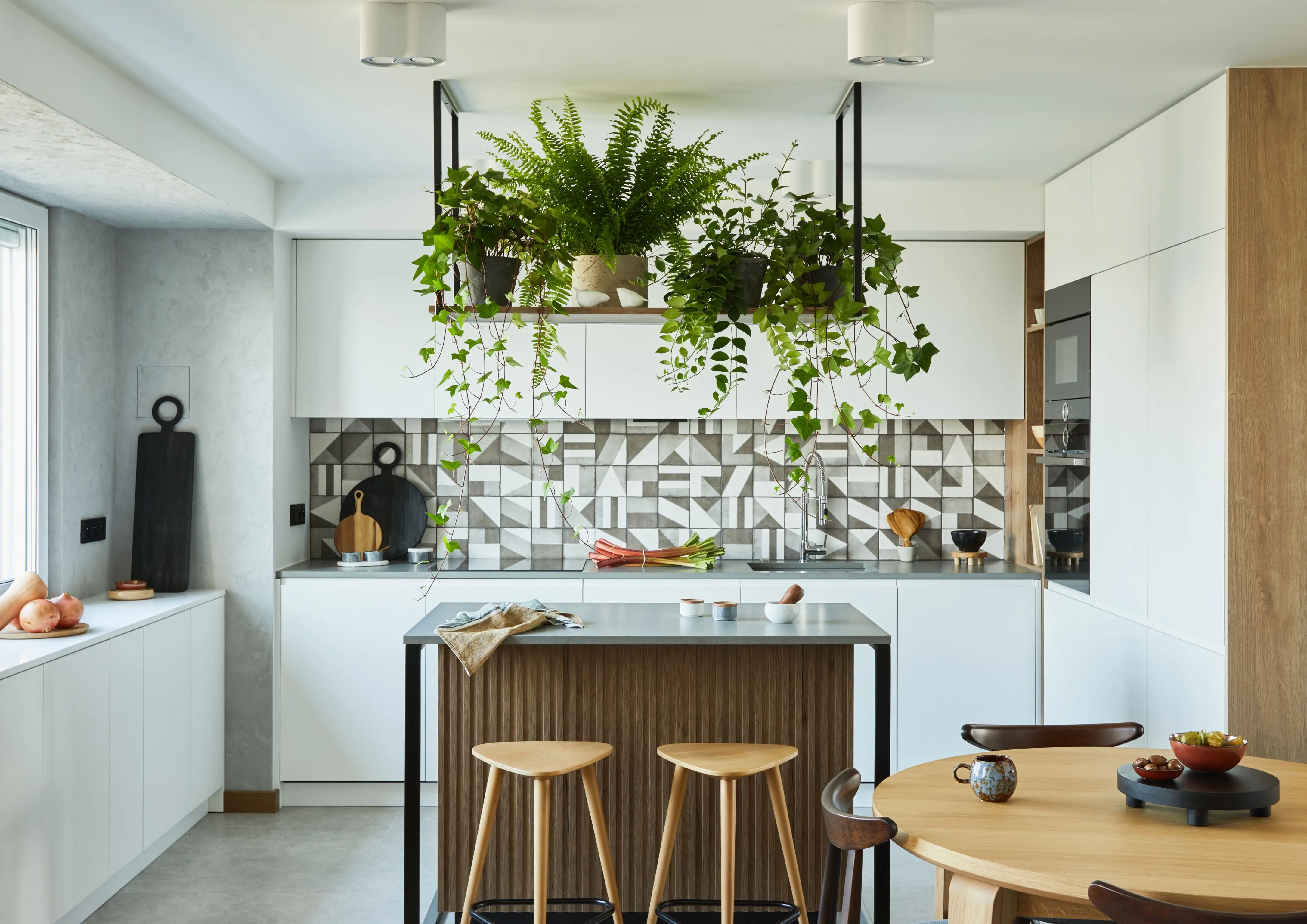
The kitchen can be an excellent place to grow small plants and fresh herbs. A sunny windowsill, kitchen shelf, or bright corner can provide enough space for useful greenery without taking up much room.
For Indian kitchens, the best plants are generally compact, easy to maintain, and suitable for the available light and temperature. Herbs such as Mint, Coriander, Basil, Curry Leaf, and Lemongrass can be useful choices, while Money Plant, Aloe Vera, Spider Plant, and Snake Plant can add decorative greenery.
Kitchen conditions can vary significantly. A kitchen with a sunny window may support herbs and light-loving plants, while a darker kitchen may be better suited to plants that tolerate lower indirect light. Heat from cooking, humidity, ventilation, and watering habits should also be considered.
In this guide, we cover the best plants for kitchens in India, including edible herbs, compact indoor plants, low-light options, placement ideas, care tips, and common kitchen gardening mistakes.
IN THIS ARTICLE
- Mint
- Coriander
- Basil / Tulsi
- Curry Leaf Plant
- Lemongrass
- Aloe Vera
- Money Plant / Pothos
- Spider Plant
- Snake Plant
- Rosemary
- Best Plants for a Sunny Kitchen Window
- Best Plants for a Small Kitchen
- Best Plants for Low-Light Kitchens
- Where to Place Plants in Your Kitchen
- How to Care for Kitchen Plants
- Common Kitchen Plant Mistakes
- Quick Kitchen Plant Cheat Sheet
- Frequently Asked Questions
1. Mint
Mint is one of the most useful herbs to grow in an Indian kitchen. Its fresh leaves can be used in chutneys, drinks, salads, raita, and a variety of everyday recipes.
Mint grows well in containers and can spread quickly, so it is usually better to keep it in its own pot. Provide good light and regular moisture while avoiding constantly waterlogged soil.
- Light: Bright indirect light to some direct sunlight
- Watering: Keep soil moderately moist
- Soil: Rich and well-draining soil
- Maintenance: Low
2. Coriander
Coriander is a practical kitchen herb for Indian homes. Both its fresh leaves and seeds are widely used in cooking, making it a useful addition to a small kitchen garden.
It can be grown in shallow containers or small grow bags. Keep the soil evenly moist during growth and provide good light without exposing the plant to excessive heat.
- Light: 3–5 hours of sunlight or bright light
- Watering: Keep soil lightly moist
- Soil: Loose and well-draining soil
- Maintenance: Low
3. Basil / Tulsi
Basil and Tulsi are popular aromatic plants that can be grown in containers near a bright kitchen window or balcony. They provide fragrant foliage and can be useful for culinary or traditional household purposes.
These plants generally prefer plenty of light and regular watering. Pinching the growing tips can help encourage bushier growth in suitable varieties.
- Light: 4–6 hours of sunlight
- Watering: Water when the upper soil begins to dry
- Soil: Fertile and well-draining soil
- Maintenance: Low to moderate
4. Curry Leaf Plant
Curry Leaf Plant is particularly useful for Indian kitchens because its aromatic leaves are used in many regional dishes. It can be grown successfully in a container when provided with enough sunlight.
Choose a reasonably sized pot and place the plant near a bright window, balcony, or other sunny location. Regular pruning can help maintain a manageable shape for container growing.
- Light: 5–6 hours of sunlight
- Watering: Water when the upper soil begins to dry
- Soil: Fertile and well-draining soil
- Maintenance: Moderate
5. Lemongrass
Lemongrass is an aromatic herb that can be grown in containers and provides fragrant leaves and stems for cooking and beverages. It is especially suitable for kitchens with a bright window or nearby outdoor growing space.
Give Lemongrass plenty of light, adequate moisture, and enough room for the clump to expand. A larger container is useful as the plant grows.
- Light: 5–6 hours of sunlight
- Watering: Keep soil moderately moist
- Soil: Fertile and well-draining soil
- Maintenance: Low to moderate
6. Aloe Vera
Aloe Vera is a compact succulent that can work well in bright kitchens, especially on windowsills or counters that receive enough natural light. Its fleshy leaves store water, so it does not need frequent watering.
Use a well-draining succulent-style potting mix and avoid placing the plant where cooking splashes, excessive steam, or standing water can affect it.
- Light: Bright indirect light to some direct sunlight
- Watering: Allow soil to dry thoroughly between waterings
- Soil: Cactus or succulent-style well-draining mix
- Maintenance: Very low
7. Money Plant / Pothos
Money Plant or Pothos is a popular decorative choice for kitchens. Its trailing vines work well on shelves, cabinets, hanging planters, and other areas where there is suitable indirect light.
It is relatively easy to maintain and can tolerate a range of indoor lighting conditions. Keep it away from direct heat sources such as cooking burners and allow the soil to dry somewhat between waterings.
- Light: Low to bright indirect light
- Watering: Water when the topsoil begins to dry
- Soil: Loose and well-draining potting mix
- Maintenance: Low
8. Spider Plant
Spider Plant is a compact indoor plant that can add greenery to kitchen shelves, windowsills, and hanging planters. Its arching leaves make it attractive without requiring much floor space.
Provide bright indirect light when possible and water when the upper soil starts to dry. Good airflow and proper drainage help maintain healthy roots and foliage.
- Light: Moderate to bright indirect light
- Watering: Water when the topsoil begins to dry
- Soil: Loose and well-draining soil
- Maintenance: Low
9. Snake Plant
Snake Plant is a hardy decorative plant that can work well in kitchens with limited space. Its upright growth means it takes up relatively little floor area compared with many spreading plants.
It tolerates lower-light conditions but still benefits from suitable indirect light. Avoid frequent watering and keep it away from direct cooking heat and steam.
- Light: Low to bright indirect light
- Watering: Allow soil to dry between waterings
- Soil: Well-draining potting mix
- Maintenance: Very low
10. Rosemary
Rosemary is an aromatic culinary herb that can be grown in containers in bright kitchens or near sunny windows. Its fragrant leaves can be useful for cooking and add a pleasant herbal character to the space.
Rosemary prefers plenty of sunlight and excellent drainage. Avoid overwatering and allow the soil to dry somewhat between waterings.
- Light: 5–6 hours of sunlight
- Watering: Allow soil to dry somewhat between waterings
- Soil: Very well-draining soil
- Maintenance: Low to moderate
Best Plants for a Sunny Kitchen Window
A sunny kitchen window can become a productive mini herb garden. Plants that benefit from stronger light are generally better choices for this location, provided the window does not become excessively hot.
| Plant | Light | Best Use |
|---|---|---|
| Mint | Bright light | Drinks, chutneys and cooking |
| Coriander | Bright light | Indian cooking |
| Basil / Tulsi | Bright light | Culinary and traditional uses |
| Curry Leaf | Bright sunlight | Indian cooking |
| Lemongrass | Bright sunlight | Cooking and beverages |
| Rosemary | Bright sunlight | Culinary herb |
Best Plants for a Small Kitchen
Small kitchens can still support plants. Use vertical space, shelves, window ledges, or compact containers rather than occupying valuable countertop or floor space.
| Location | Recommended Plants |
|---|---|
| Windowsill | Coriander, Mint, Basil, Aloe Vera |
| Shelf | Money Plant, Spider Plant, Snake Plant |
| Hanging Planter | Money Plant, Spider Plant |
| Small Counter | Aloe Vera, Mint, Basil |
Best Plants for Low-Light Kitchens
If your kitchen receives limited natural light, decorative indoor plants that tolerate lower light are generally easier to maintain than herbs that require strong sunlight. Remember that low-light does not mean complete darkness.
| Plant | Light | Maintenance |
|---|---|---|
| Snake Plant | Low to bright indirect | Very Low |
| Money Plant | Low to bright indirect | Low |
| Spider Plant | Moderate to bright indirect | Low |
| ZZ Plant | Low to bright indirect | Very Low |
Where to Place Plants in Your Kitchen
1. Kitchen Windowsill
A windowsill can be ideal for herbs that need good natural light. Make sure the container is stable and does not obstruct the window or ventilation.
2. Kitchen Shelves
Small plants such as Spider Plant, Snake Plant, and Money Plant can add greenery to shelves. Check that the shelf can safely support the pot and protect the surface from water.
3. Hanging Planters
Hanging planters can save valuable counter and floor space. Trailing plants such as Money Plant and Spider Plant are particularly suitable for this setup.
4. Near Bright Windows
Herbs such as Basil, Curry Leaf, Rosemary, Lemongrass, and Coriander generally benefit from stronger light. Position them according to the amount of sunlight available.
5. Keep Plants Away from the Stove
Avoid placing plants directly beside cooking burners, ovens, or other strong heat sources. Excessive heat and cooking splashes can damage leaves and dry the growing medium quickly.
How to Care for Kitchen Plants
1. Check the Soil Before Watering
Kitchen plants should not be watered simply because it is a particular day of the week. Check the soil first and adjust watering according to the plant, pot, light, and temperature.
2. Use Containers with Drainage
Proper drainage is especially important for indoor kitchen plants. Excess water should be able to leave the container so that the roots do not remain saturated.
3. Keep Leaves Clean
Kitchen plants can accumulate dust and cooking residue. Gently clean leaves with a suitable damp cloth when necessary and inspect them for pests or damage.
4. Provide Enough Light
Herbs generally need more light than many decorative indoor plants. If your kitchen is too dark for an edible herb, consider growing it near a brighter window or in another suitable location.
5. Prune Herbs Regularly
Harvesting and pruning herbs regularly can help keep plants compact and productive. Remove damaged or unhealthy growth as needed.
6. Use Clean Water and Containers
Keep containers clean and avoid allowing stagnant water to sit around your plants. This is particularly important when growing herbs that you intend to use in food preparation.
Common Kitchen Plant Mistakes
- Placing plants directly beside the stove or another strong heat source
- Growing herbs in a kitchen that does not provide enough light
- Watering plants every day without checking the soil
- Using containers without drainage holes
- Keeping plants where cooking oil, smoke, or food splashes can reach them frequently
- Overcrowding several pots on a narrow windowsill
- Ignoring pests, fungal growth, or yellowing leaves
- Using ornamental plants for cooking without confirming that the plant is edible
Quick Kitchen Plant Cheat Sheet
| Plant | Light | Maintenance | Best For |
|---|---|---|---|
| Mint | Bright | Low | Cooking and drinks |
| Coriander | Bright | Low | Indian cooking |
| Basil / Tulsi | Bright | Low–Moderate | Herbs and fragrance |
| Curry Leaf | Bright Sunlight | Moderate | Indian cooking |
| Lemongrass | Bright Sunlight | Low–Moderate | Cooking and beverages |
| Aloe Vera | Bright | Very Low | Sunny windowsills |
| Money Plant | Low–Bright Indirect | Low | Shelves and hanging planters |
| Snake Plant | Low–Bright Indirect | Very Low | Small spaces |
Frequently Asked Questions
Q1. Which are the best plants for kitchens in India?
Q2. Which herbs are easiest to grow in a kitchen?
Q3. Can I grow Mint inside my kitchen?
Q4. Can I keep a Money Plant in the kitchen?
Q5. Which plants are best for a sunny kitchen window?
Q6. What plants can grow in a low-light kitchen?
Q7. Can I grow Curry Leaf in a kitchen?
Q8. How often should I water kitchen plants?
Q9. Should plants be kept near the stove?
Q10. What is the best plant for a small kitchen?
Author Bio
Written by the Blooming Den Gardening Team – Verified plant experts helping urban India go green since 2025. We deliver plants, supplies, and professional care to your doorstep.