
Best Plants for Monsoon in India 2026: Rain-Loving Plants for Your Home & Garden
Gardening Made Easy: Discover the best plants that thrive in India's rainy season and learn how to keep your garden healthy during the monsoon.
Posted: August 12, 2026 | Seasonal Gardening
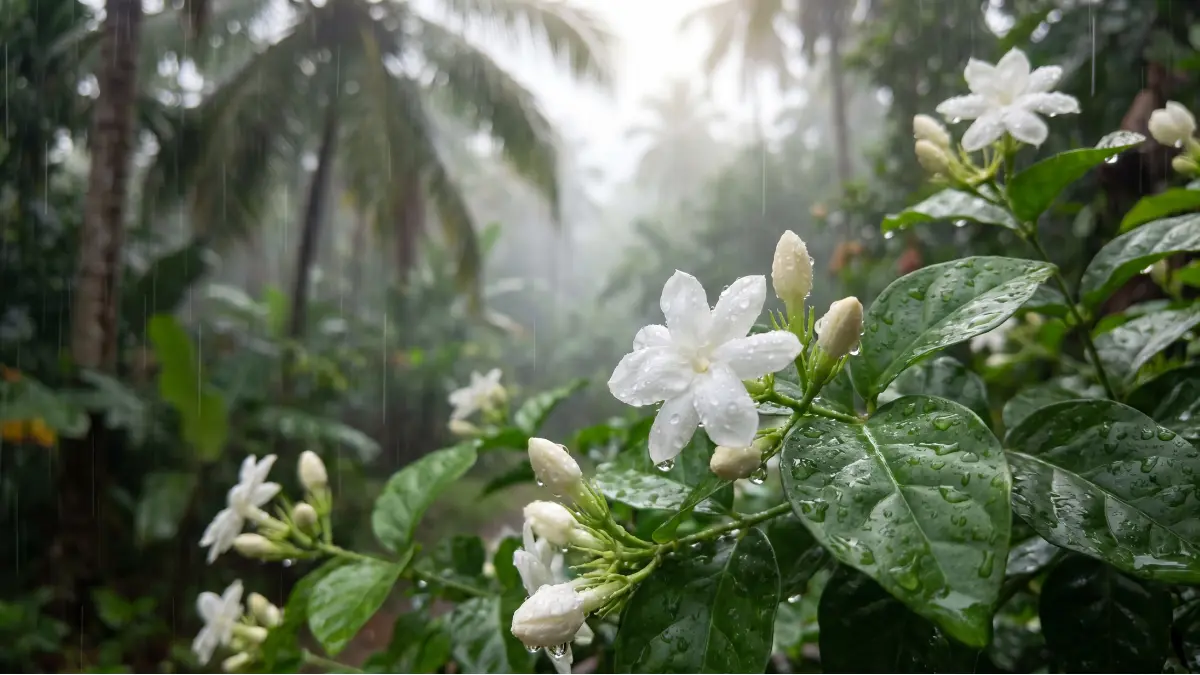
The monsoon season transforms Indian homes and gardens into lush green spaces. Cooler temperatures, higher humidity, and regular rainfall can create excellent growing conditions for many plants. However, too much rain and poor drainage can also lead to root rot, fungal problems, and other plant issues.
Choosing plants that naturally enjoy moisture and humid conditions can make monsoon gardening much easier. Plants such as Hibiscus, Balsam, Rain Lily, Ferns, Colocasia, Areca Palm, Money Plant, and Periwinkle can add greenery, flowers, and a fresh tropical feel to your home.
In this guide, we cover the best plants for monsoon in India, including flowering plants, indoor plants, balcony plants, and low-maintenance options. You will also learn how to manage watering, drainage, sunlight, soil, pests, and fungal problems during the rainy season.
IN THIS ARTICLE
1. Hibiscus
Hibiscus is one of the most popular flowering plants for Indian gardens and can grow vigorously during the monsoon. The combination of warmth, moisture, and suitable sunlight can encourage healthy foliage and flowering.
Its large, colorful flowers make it an excellent choice for balconies, terraces, courtyards, and outdoor gardens. During the rainy season, make sure the plant receives enough light and that excess water drains away quickly.
2. Balsam
Balsam is a classic rainy-season flowering plant that performs particularly well in moist and humid conditions. Its pink, purple, red, and white flowers can bring plenty of color to a monsoon garden.
Balsam is suitable for pots, balconies, garden borders, and partially shaded outdoor spaces. It prefers consistently moist soil but should not be kept in stagnant water.
3. Rain Lily
Rain Lily is one of the plants most closely associated with the rainy season. Its beautiful flowers can appear soon after rainfall, making it a delightful addition to monsoon gardens.
Depending on the variety, Rain Lily can produce white, pink, or yellow flowers. It works well in pots, garden borders, lawns, and small outdoor spaces.
4. Ferns
Ferns are excellent choices for humid monsoon conditions. Their lush, delicate foliage gives balconies, shaded corners, patios, and gardens a beautiful tropical appearance.
Most ferns prefer indirect or filtered light and consistently moist soil. Good airflow and drainage are important because excessive stagnant moisture can encourage fungal problems.
5. Colocasia
Colocasia, commonly known as Elephant Ear, is a striking foliage plant that enjoys warm and moist conditions. Its large leaves can quickly create a lush tropical appearance during the rainy season.
It works well in garden beds, large containers, and areas that naturally retain moisture. However, container-grown plants still need drainage to prevent unhealthy stagnant water around the roots.
6. Areca Palm
Areca Palm is a popular tropical plant that appreciates warm and humid conditions. During the monsoon, it can add a soft, lush appearance to balconies, patios, indoor areas with bright filtered light, and gardens.
While Areca Palm enjoys humidity, avoid leaving its roots sitting in constantly saturated soil. Good drainage is especially important during periods of heavy rainfall.
7. Money Plant
Money Plant, also commonly known as Pothos, is one of the easiest plants to grow during the rainy season. Warm temperatures and increased humidity can encourage rapid vine and leaf growth.
It can be grown in soil or water and works well indoors, on balconies, and in shaded outdoor areas. Avoid placing the plant where heavy rainfall can constantly saturate the potting soil.
8. Periwinkle
Periwinkle, also known as Vinca, is a hardy flowering plant that can perform well through warm and humid weather. Its colorful flowers can brighten balconies, pots, borders, and outdoor gardens.
It is a useful choice for gardeners looking for a relatively easy-care flowering plant that can tolerate changing weather conditions.
Best Monsoon Plants Based on Your Space
| Space | Recommended Plants |
|---|---|
| Balcony | Balsam, Hibiscus, Money Plant, Ferns, Periwinkle |
| Terrace | Hibiscus, Rain Lily, Periwinkle, Balsam, Colocasia |
| Indoor | Money Plant, Ferns, Areca Palm |
| Outdoor Garden | Hibiscus, Balsam, Rain Lily, Colocasia, Periwinkle |
| Shaded Corner | Ferns, Areca Palm, Money Plant |
How to Care for Plants During Monsoon
1. Avoid Overwatering
Rainfall can provide enough moisture for many outdoor plants, so avoid following your usual watering schedule automatically. Always check the soil before adding more water.
2. Make Drainage a Priority
Excess water is one of the biggest problems during monsoon. Make sure containers have drainage holes and that water can escape freely from the bottom of the pot.
3. Give Plants Enough Light
Cloudy weather can reduce available sunlight. Place plants according to their light requirements and make sure indoor plants receive enough bright filtered or indirect light.
4. Improve Air Circulation
High humidity and poor airflow can encourage fungal diseases. Avoid overcrowding pots and give foliage enough space for air to circulate.
5. Keep Leaves Clean
Remove damaged or fallen leaves regularly. Wet, decaying plant material can create an environment where fungal problems and pests become more likely.
6. Check for Fungal Problems
Inspect leaves, stems, and the soil regularly for unusual spots, mold, soft stems, or rotting roots. Early action can prevent problems from spreading to other plants.
7. Protect Pots From Heavy Rain
During periods of very heavy rainfall, move sensitive container plants to a covered area where they can receive bright light without being continuously exposed to excessive rain.
Common Monsoon Gardening Mistakes
- Watering plants even when the soil is already wet from rainfall
- Using pots without drainage holes
- Allowing rainwater to remain collected in plant trays
- Keeping plants too close together in humid conditions
- Ignoring yellow, soft, or damaged leaves
- Keeping indoor plants in dark corners because of cloudy weather
- Using heavy soil that holds excessive moisture
- Applying excessive fertilizer when plants are already receiving abundant moisture
Quick Monsoon Plant Care Cheat Sheet
| Aspect | Recommendation |
|---|---|
| Best Plants | Hibiscus, Balsam, Rain Lily, Ferns, Colocasia, Areca Palm, Money Plant and Periwinkle |
| Water | Check soil before watering; natural rainfall may provide enough moisture |
| Drainage | Essential during heavy rainfall to prevent waterlogging and root problems |
| Sunlight | Provide suitable bright or filtered light depending on the plant |
| Humidity | Most monsoon-friendly plants tolerate or enjoy increased humidity |
| Airflow | Maintain good circulation to reduce fungal problems |
| Soil | Use loose, fertile and well-draining soil |
| Fertilizer | Feed moderately during active growth and avoid excessive applications |
Frequently Asked Questions
Q1. Which plants are best for monsoon in India?
Q2. Which flowering plants grow well during monsoon?
Q3. Should I water plants during the monsoon?
Q4. How do I prevent root rot during monsoon?
Q5. Which plants are best for a rainy-season balcony?
Q6. Can indoor plants benefit from the monsoon?
Q7. Why are my plant leaves turning yellow during monsoon?
Q8. How can I prevent fungal problems during the rainy season?
Q9. Which plants grow quickly during monsoon?
Q10. Is monsoon a good time to start gardening in India?
Author Bio
Written by the Blooming Den Gardening Team – Verified plant experts helping urban India go green since 2025. We deliver plants, supplies, and professional care to your doorstep.