
Best Plants for Winter in India 2026: Beautiful Winter Plants for Your Home & Garden
Gardening Made Easy: Discover the best flowering, indoor, balcony, and vegetable plants that thrive during the cool Indian winter.
Posted: August 12, 2026 | Seasonal Gardening
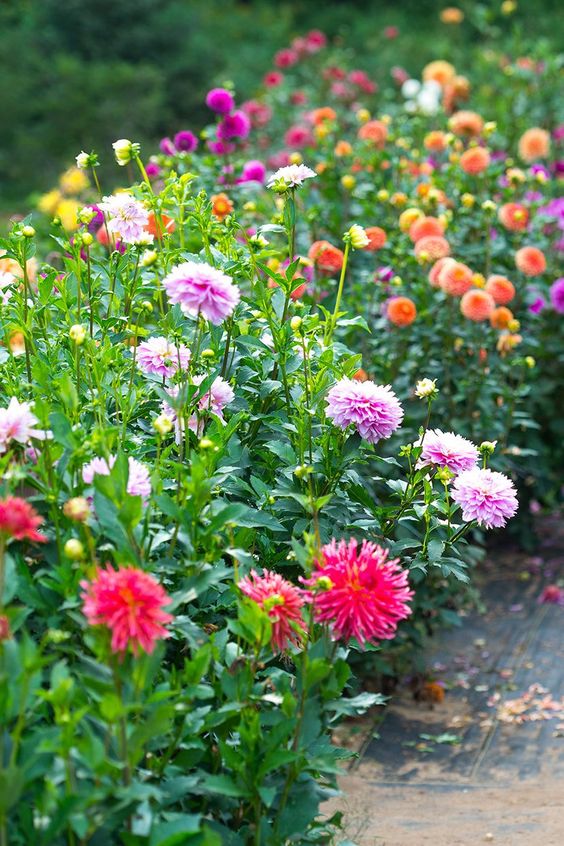
Winter is one of the most enjoyable gardening seasons in many parts of India. Cooler temperatures, comfortable sunlight, and lower heat stress create excellent conditions for a wide variety of flowering plants, herbs, vegetables, and ornamental plants.
Plants such as Marigold, Petunia, Calendula, Pansy, Chrysanthemum, Dianthus, Snapdragon, and Sweet Alyssum can add beautiful colors to winter gardens. Cool-season vegetables such as Spinach, Radish, Carrot, Peas, Coriander, and Lettuce can also perform well when planted at the right time.
In this guide, we cover the best plants for winter in India, including flowering plants, balcony plants, indoor plants, and winter vegetables. You will also learn how to manage sunlight, watering, soil, fertilizer, and cold temperatures during the winter season.
IN THIS ARTICLE
1. Marigold
Marigold is one of the easiest and most popular flowering plants for Indian winter gardens. Its bright yellow, orange, and golden flowers can add instant color to balconies, terraces, garden beds, and containers.
Marigolds prefer plenty of sunlight and well-draining soil. They are also beginner-friendly and can grow successfully in containers when provided with adequate light and regular deadheading.
2. Petunia
Petunia is a favorite winter flowering plant for balconies, hanging baskets, window boxes, and terraces. Its trumpet-shaped flowers are available in many colors, including pink, purple, red, white, and combinations of different shades.
Petunias perform best when they receive plenty of sunlight and are grown in well-draining soil. Regular removal of faded flowers can encourage continued blooming.
3. Calendula
Calendula is a cheerful cool-season flowering plant that can brighten Indian winter gardens with yellow and orange blooms. It is suitable for containers, garden borders, balconies, and small terrace gardens.
Calendula prefers cool temperatures and good sunlight. Avoid keeping the soil continuously wet because excessive moisture can affect the roots.
4. Pansy
Pansies are colorful cool-season flowers that are particularly attractive during winter. Their distinctive faces and wide range of colors make them excellent choices for pots, window boxes, balconies, and garden borders.
They prefer cooler temperatures and gentle sunlight. In warmer parts of India, provide some protection from strong afternoon heat as temperatures begin to rise.
5. Chrysanthemum
Chrysanthemum is one of the most popular winter flowering plants in India. It produces abundant blooms in many colors and forms, making it an excellent choice for containers, balconies, terraces, and garden beds.
Chrysanthemums benefit from good sunlight, regular watering, and occasional feeding. Pinching young growth can help create a bushier plant with more flowering branches.
6. Dianthus
Dianthus is a compact flowering plant that works particularly well in containers, balcony gardens, and borders. Its colorful flowers can also add a pleasant fragrance to a winter garden.
Dianthus prefers plenty of sunlight and soil that drains quickly. Avoid excessive watering, particularly in containers with poor drainage.
7. Snapdragon
Snapdragon is another excellent cool-season flowering plant for Indian gardens. Its upright flower spikes can bring height and structure to containers, garden borders, and mixed flower beds.
It performs best during cooler weather with adequate sunlight and regular but controlled watering.
8. Sweet Alyssum
Sweet Alyssum is a small, spreading flowering plant that works beautifully around the edges of containers and garden beds. Its tiny flowers can create a soft carpet of white, pink, or purple color.
It is especially useful for small balconies and terrace gardens where you want a compact flowering plant that fills gaps around larger plants.
Best Winter Vegetables to Grow in India
Winter is also an excellent season for growing cool-season vegetables in home gardens, balconies, and terraces. Popular choices include leafy greens, root vegetables, legumes, and several salad crops.
| Vegetable | Best For | Sunlight |
|---|---|---|
| Spinach | Pots, balcony gardens and kitchen gardens | 4–6 hours |
| Radish | Deep containers and garden beds | 4–6 hours |
| Carrot | Deep pots and terrace gardens | 5–6 hours |
| Green Peas | Containers with support or garden beds | 5–6 hours |
| Coriander | Small containers and kitchen gardens | 3–5 hours |
| Lettuce | Balcony containers and salad gardens | 3–5 hours |
Best Winter Plants Based on Your Space
| Space | Recommended Plants |
|---|---|
| Balcony | Petunia, Marigold, Pansy, Dianthus, Sweet Alyssum |
| Terrace | Marigold, Chrysanthemum, Petunia, Calendula, Snapdragon |
| Indoor | Snake Plant, Money Plant, Spider Plant, ZZ Plant |
| Outdoor Garden | Marigold, Chrysanthemum, Calendula, Pansy, Snapdragon |
| Kitchen Garden | Spinach, Radish, Carrot, Green Peas, Coriander, Lettuce |
How to Care for Plants During Winter
1. Give Plants Enough Winter Sunlight
Winter sunlight is generally gentler than harsh summer sunlight, so many flowering plants can benefit from several hours of direct morning or midday sun. Place containers where they receive the amount of light appropriate for their species.
2. Reduce Watering
Cooler temperatures can slow evaporation and plant growth. Check the soil before watering and avoid following the same watering schedule you used during summer.
3. Protect Plants From Cold Nights
Sensitive plants and young seedlings may need protection during very cold nights. Move containers away from cold drafts and consider a sheltered location when temperatures drop significantly.
4. Avoid Excessive Fertilizer
Plants that are growing slowly during colder weather generally do not need heavy feeding. Use fertilizer according to the plant's growth stage rather than applying it automatically.
5. Improve Drainage
Winter does not eliminate the risk of root problems. Make sure pots have drainage holes and use a well-draining potting mix to prevent excess moisture around the roots.
6. Remove Dead Flowers and Leaves
Remove faded flowers and damaged leaves regularly. Deadheading can help flowering plants maintain a tidy appearance and encourage continued blooming in suitable varieties.
7. Monitor Pests
Cooler weather does not mean your garden is completely free from pests. Check the underside of leaves and new growth regularly for aphids, mealybugs, and other common garden pests.
Common Winter Gardening Mistakes
- Watering plants too frequently during cooler weather
- Keeping winter flowering plants in areas with insufficient sunlight
- Leaving sensitive plants exposed to very cold night temperatures
- Applying excessive fertilizer when plants are growing slowly
- Using heavy soil that remains wet for long periods
- Ignoring pests because temperatures are lower
- Growing vegetables in containers that are too shallow for root crops
- Moving plants suddenly between very different light conditions
Quick Winter Plant Care Cheat Sheet
| Aspect | Recommendation |
|---|---|
| Best Flowers | Marigold, Petunia, Calendula, Pansy, Chrysanthemum, Dianthus, Snapdragon and Sweet Alyssum |
| Best Vegetables | Spinach, Radish, Carrot, Peas, Coriander and Lettuce |
| Sunlight | Usually 4–6 hours of suitable sunlight depending on the plant |
| Water | Check soil before watering and reduce frequency compared with hot weather |
| Soil | Loose, fertile and well-draining soil |
| Cold Protection | Protect sensitive plants and young seedlings from very cold nights |
| Fertilizer | Feed according to active growth; avoid excessive feeding during slow growth |
| Maintenance | Remove dead flowers, damaged leaves and monitor plants for pests |
Frequently Asked Questions
Q1. Which plants are best for winter in India?
Q2. Which flowers bloom in winter in India?
Q3. What vegetables can I grow in winter in India?
Q4. How often should I water plants in winter?
Q5. Which winter plants are best for a balcony?
Q6. Can indoor plants grow during winter in India?
Q7. Should plants be kept in direct sunlight during winter?
Q8. How do I protect plants from cold weather?
Q9. When should I plant winter flowers in India?
Q10. Is winter a good time for gardening in India?
Author Bio
Written by the Blooming Den Gardening Team – Verified plant experts helping urban India go green since 2025. We deliver plants, supplies, and professional care to your doorstep.