
Essential Gardening Tools: A Complete Guide for Beginners
Having the right gardening tools can make plant care easier, faster, and more enjoyable. Whether you are growing a few indoor plants, maintaining a balcony garden, or managing a larger outdoor space, a basic set of reliable tools can help you handle everyday gardening tasks with confidence.
Beginners often assume that they need a large collection of gardening equipment to get started. In reality, you only need a few essential tools for planting, watering, pruning, loosening soil, removing weeds, and maintaining your plants. As your garden grows, you can gradually add specialized tools based on your needs.
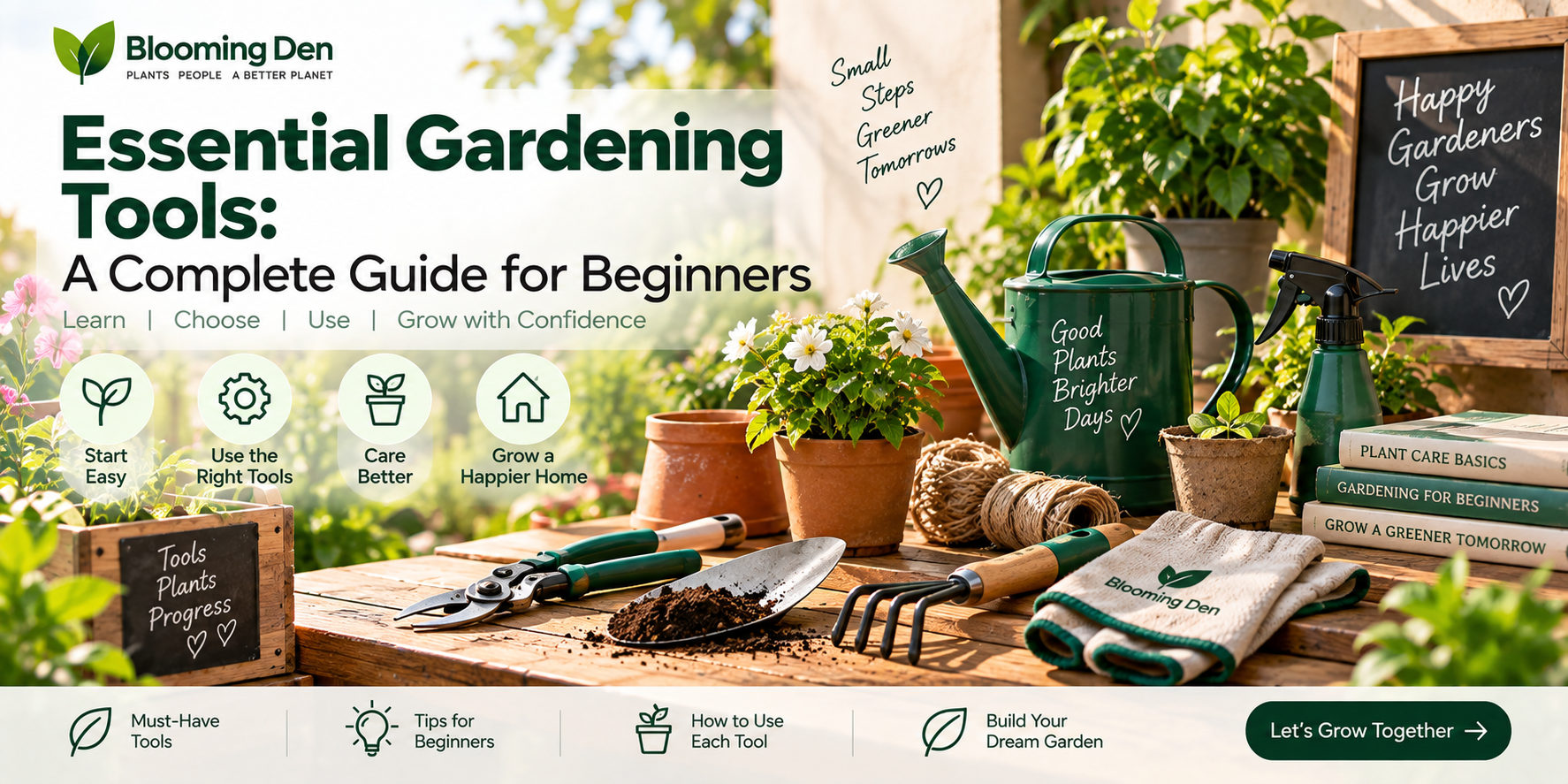
Why the Right Gardening Tools Matter
Good gardening tools allow you to perform routine tasks without unnecessarily disturbing your plants or soil. The right tool can make planting seedlings easier, help you prune damaged branches cleanly, and allow you to water plants without washing away soil.
Quality tools can also make gardening more comfortable. Ergonomic handles, suitable tool sizes, and durable materials reduce hand strain and make repetitive gardening tasks easier to manage.
Essential Gardening Tools Every Beginner Should Have
A beginner's gardening kit does not need to be complicated. Start with tools that cover the most common gardening activities. The following essentials are useful for indoor plants, container gardens, balconies, terraces, and outdoor garden beds.
| Tool | Main Use |
|---|---|
| Hand Trowel | Planting seedlings and digging small holes. |
| Watering Can | Watering indoor and outdoor plants. |
| Pruning Shears | Cutting small branches, stems, and damaged growth. |
| Gardening Gloves | Protecting hands during planting and maintenance. |
| Hand Fork | Loosening soil and removing small weeds. |
| Spray Bottle | Lightly misting suitable indoor plants and seedlings. |
1. Hand Trowel
A hand trowel is one of the most useful tools for any home gardener. Its compact size makes it ideal for digging planting holes, transferring soil, mixing small quantities of compost, and transplanting seedlings into containers.
Choose a trowel with a comfortable grip and a strong, rust-resistant blade. A measurement marking on the blade can also be useful when planting seedlings at an appropriate depth.
2. Watering Can
A watering can gives you better control over the amount and direction of water compared with pouring water directly from a container. A rose attachment with small openings produces a gentler flow that is useful for seedlings, potted plants, and delicate foliage.
Choose a watering can based on the size of your garden. A smaller can is convenient for indoor plants and balconies, while a larger one can reduce the number of trips required in a bigger garden.
3. Gardening Gloves
Gardening gloves protect your hands from soil, rough surfaces, thorns, sharp edges, and minor scratches while working in the garden. Choose gloves that fit comfortably and provide enough flexibility to handle seedlings and small tools.
4. Hand Fork
A hand fork is a small but useful gardening tool for loosening soil, removing weeds, and mixing compost or organic matter into the top layer of soil. It is especially useful for container plants and small home gardens.
When soil becomes compacted, plant roots may struggle to receive enough air and water. A hand fork can gently loosen the surface without disturbing the entire root system.
Beginner Tip
Use a hand fork gently around established plants. Avoid digging deeply close to the main stem because you may damage delicate roots.
5. Pruning Shears
Pruning shears, also called secateurs, are essential for maintaining many garden plants. They are designed to cut small stems, remove dry leaves and branches, and shape plants when necessary.
Regular pruning can help remove damaged growth and keep plants looking neat. Flowering plants may also benefit from removing spent flowers, while shrubs and herbs can sometimes be shaped with careful pruning.
What Can You Use Pruning Shears For?
- Removing dry or damaged stems
- Cutting small branches
- Removing dead flowers
- Shaping small shrubs and plants
- Harvesting herbs and soft-stemmed plants
Important
Keep pruning blades clean and sharp. Clean cuts are generally better for plants than crushing stems with a blunt tool.
6. Garden Spade or Shovel
A garden spade or shovel becomes important when you work with larger pots, raised beds, lawns, or outdoor garden areas. These tools help with digging, moving soil, planting larger plants, and transferring compost.
For balcony and indoor gardening, you may not need a large shovel. A small hand spade can be enough for most container gardening tasks. For larger outdoor gardens, however, a full-sized garden spade is much more practical.
Common Uses
- Digging planting holes
- Moving potting mix and garden soil
- Adding compost to garden beds
- Transplanting larger plants
- Preparing outdoor planting areas
7. Garden Rake
A garden rake is mainly useful for outdoor gardens. It helps collect fallen leaves, remove loose garden debris, spread soil evenly, and prepare certain planting areas.
If you only grow plants on a balcony or indoors, a garden rake may not be necessary. However, homeowners with lawns, flower beds, terraces, or larger garden spaces can find it extremely useful.
Do You Need One?
For a small balcony garden, skip the large rake and focus your budget on hand tools. For a larger outdoor garden, a rake is worth adding to your toolkit.
8. Spray Bottle
A spray bottle is a simple and inexpensive tool that can be useful for indoor plants, seedlings, and plants that prefer gentle watering. It allows you to apply a light mist without disturbing delicate soil or young plants.
Spray bottles can also be useful when cleaning plant leaves. However, misting should not replace proper watering when a plant needs water at its roots.
A Spray Bottle Is Useful For:
- Lightly watering seedlings
- Moistening certain indoor plants when appropriate
- Cleaning dust from suitable plant leaves
- Applying diluted plant-care solutions when recommended
9. Garden Hose and Watering Accessories
For larger gardens, a garden hose can make watering much easier. For balconies and small container gardens, a watering can is usually more convenient and provides better control.
If you have many plants, consider choosing watering accessories based on the size of your garden rather than buying the largest option available.
| Garden Type | Recommended Watering Tool |
|---|---|
| Indoor plants | Small watering can |
| Balcony garden | Small or medium watering can |
| Terrace garden | Large watering can or hose |
| Large outdoor garden | Garden hose or suitable irrigation system |
Tools for Soil Preparation
Healthy plants start with healthy growing conditions. Depending on the size of your garden, a few basic soil tools can make planting and repotting much easier.
Hand Trowel
Ideal for filling pots, digging small planting holes, and transferring potting mix.
Hand Fork
Useful for loosening compacted soil and mixing compost into the surface layer.
Garden Spade
Helpful for larger planting areas, raised beds, and transferring larger quantities of soil.
Soil Scoop
A soil scoop can make filling containers cleaner and easier, especially for indoor and balcony gardening.
Essential Tools for Balcony and Container Gardening
You do not need a large collection of gardening equipment to maintain a balcony or container garden. A small set of reliable hand tools is usually enough for planting, repotting, watering, pruning, and routine maintenance.
If you are gardening in a limited space, focus on compact tools that are easy to store and comfortable to use. Buying too many tools at the beginning can add unnecessary cost and clutter.
Small Hand Trowel
Useful for filling containers, planting seedlings, and moving potting mix.
Hand Fork
Helps loosen the top layer of soil and mix compost into containers.
Pruning Shears
Useful for removing dry stems, dead flowers, and unwanted growth.
Watering Can
Provides controlled watering and is convenient for balconies and indoor gardens.
Tools for Repotting Plants
Repotting is an important part of plant care as plants grow. Having the right tools makes the process cleaner, faster, and easier for beginners.
Useful Repotting Tools
- Hand trowel or soil scoop
- Hand fork
- Gardening gloves
- Pruning shears
- Watering can
- Small brush for cleaning excess soil
- Container or tray for collecting loose soil
Repotting Tip
Choose a new pot based on the plant's root growth and requirements rather than automatically selecting a very large container. Make sure the container provides suitable drainage.
Tools for Pruning and Plant Maintenance
Regular maintenance keeps your garden clean and helps you notice plant problems early. You do not need professional equipment for most home gardens.
| Task | Useful Tool | Purpose |
|---|---|---|
| Remove dead leaves | Hand pruners | Remove unwanted plant material |
| Trim small stems | Pruning shears | Make controlled cuts |
| Remove surface debris | Small brush or rake | Keep the growing area clean |
| Water plants | Watering can or hose | Deliver water to the growing medium |
Optional Gardening Tools for Beginners
Some tools are helpful but are not essential for every beginner. Consider buying them only when your garden actually requires them.
Soil Moisture Meter
Can help beginners understand whether the growing medium is dry or still contains sufficient moisture.
Plant Labels
Useful when growing multiple varieties, seedlings, herbs, or plants with different care requirements.
Kneeling Pad
A comfortable option for people who spend significant time working with outdoor beds or ground-level plants.
How to Choose the Right Gardening Tools
The best gardening tools are not necessarily the most expensive ones. Choose tools based on your garden size, the plants you grow, how frequently you garden, and how comfortable the tools feel in your hands.
Consider These Factors
- Garden size: Small balconies need compact hand tools, while larger gardens may require full-sized equipment.
- Type of plants: Herbs, flowering plants, shrubs, vegetables, and indoor plants may require different tools.
- Tool comfort: Choose handles that feel comfortable and provide a secure grip.
- Material and durability: Look for tools that can withstand regular use and moisture.
- Storage: Consider where you will keep the tools when they are not being used.
- Maintenance: Tools that are easy to clean and maintain can last much longer.
Smart Buying Rule
Start with the tools you will use regularly. You can always add specialized gardening equipment later as your garden grows and your gardening skills improve.
Common Mistakes Beginners Make When Buying Gardening Tools
Buying gardening tools for the first time can be confusing. There are many different sizes, materials, designs, and specialized tools available. Beginners often end up buying more equipment than they actually need.
A better approach is to start with a small collection of reliable tools and expand it as your garden grows.
1. Buying Too Many Tools
You do not need every gardening tool available. Start with basic tools such as a trowel, watering can, gloves, hand fork, and pruning shears.
2. Choosing Tools Only by Price
The cheapest tool is not always the best choice. A poorly made tool may bend, break, or become uncomfortable to use. At the same time, expensive professional equipment may be unnecessary for a small home garden.
3. Ignoring Comfort
Gardening often involves repetitive movements. Tools should have comfortable handles and an appropriate size for your hands so that routine tasks are easier.
4. Forgetting Tool Maintenance
Even good-quality tools can deteriorate when they are left wet, dirty, or exposed to the weather. Cleaning and storing your tools properly can significantly improve their useful life.
A Budget-Friendly Gardening Tool Kit for Beginners
If you are starting your first home garden, you can begin with a simple tool kit instead of purchasing everything at once. The exact tools you need will depend on whether you are growing plants indoors, on a balcony, terrace, or in an outdoor garden.
| Tool | Priority | Why You Need It |
|---|---|---|
| Hand Trowel | Essential | Planting and handling potting mix |
| Watering Can | Essential | Controlled watering |
| Gardening Gloves | Essential | Protects hands during garden work |
| Hand Fork | Essential | Loosening soil and mixing compost |
| Pruning Shears | Essential | Pruning and removing damaged growth |
| Garden Spade | Optional | Useful for larger gardens |
| Garden Rake | Optional | Useful for outdoor garden maintenance |
Which Gardening Tools Are Worth Spending More On?
You do not need premium tools for every gardening task. However, it can be worthwhile to spend a little more on tools that you use frequently or that need to perform precise work.
Consider Investing in:
- Good-quality pruning shears
- A durable hand trowel
- Comfortable gardening gloves
- A sturdy watering can
- Reliable hand tools with comfortable grips
For occasional gardening, basic tools can work perfectly well. If you garden frequently, durable tools may provide better comfort and longevity over time.
How to Clean and Maintain Gardening Tools
Proper tool maintenance is one of the easiest ways to extend the life of your gardening equipment. Soil, moisture, and plant residue can accumulate on tools after use.
- Remove soil and plant debris after using your tools.
- Wash tools when necessary and dry them thoroughly.
- Keep cutting tools clean and properly maintained.
- Check handles and joints regularly for damage.
- Store tools in a dry and protected location.
Simple Habit
Spend a few minutes cleaning your tools after gardening instead of waiting until they become heavily soiled or difficult to maintain.
Frequently Asked Questions About Gardening Tools
What are the most essential gardening tools for beginners?
A hand trowel, watering can, gardening gloves, hand fork, and pruning shears are a good starting set for most beginners. Larger gardens may also require a spade, shovel, or rake.
Do I need expensive gardening tools?
No. Beginners can start with reasonably priced, durable tools. Focus on quality, comfort, and suitability for your garden rather than choosing tools based only on their price.
Which gardening tools are best for balcony gardening?
A small trowel, hand fork, pruning shears, gardening gloves, watering can, and soil scoop are usually sufficient for a balcony garden.
How often should gardening tools be cleaned?
Ideally, remove soil and plant debris after each use. More thorough cleaning can be done whenever tools become dirty or before storing them for an extended period.
Can gardening tools be used for indoor plants?
Yes. Small hand tools such as trowels, pruning shears, soil scoops, gloves, and watering cans are particularly useful for indoor plants and container gardening.
Essential Gardening Tool Checklist for Beginners
You do not need a huge collection of gardening equipment to get started. A few basic, reliable tools can handle most everyday gardening tasks. Use this checklist to build your starter gardening kit based on the type and size of your garden.
| Tool | Beginner | Main Use |
|---|---|---|
| Hand Trowel | ✓ | Planting and handling soil |
| Watering Can | ✓ | Watering plants |
| Gardening Gloves | ✓ | Protecting hands |
| Hand Fork | ✓ | Loosening soil |
| Pruning Shears | ✓ | Pruning and trimming |
| Garden Spade | Optional | Digging larger areas |
| Garden Rake | Optional | Outdoor garden cleanup |
Start Small
Begin with the tools you actually need for your current plants. As your garden expands, you can gradually add specialized equipment instead of buying everything at once.
Match Your Gardening Tools to Your Garden
The ideal gardening toolkit depends largely on where you grow your plants. A person maintaining a few indoor plants will need very different equipment from someone managing a large outdoor garden.
| Garden Type | Recommended Tools |
|---|---|
| Indoor Garden | Small trowel, watering can, pruning shears, gloves, spray bottle |
| Balcony Garden | Trowel, hand fork, watering can, gloves, pruning shears, soil scoop |
| Terrace Garden | Hand tools, watering can or hose, pruning shears, spade, soil tools |
| Outdoor Garden | Trowel, spade, shovel, rake, pruning tools, hose, gloves |
When Should You Upgrade Your Gardening Tools?
You do not need to replace your tools simply because you have been gardening for a certain amount of time. Consider upgrading when your existing equipment becomes difficult, uncomfortable, unsafe, or ineffective to use.
- The tool has become damaged or difficult to use.
- Pruning blades no longer make clean cuts.
- Handles have become loose or uncomfortable.
- Your garden has grown beyond the capacity of your current tools.
- You have started performing tasks that require specialized equipment.
Upgrading gradually allows you to invest in tools that solve actual gardening problems instead of purchasing equipment that may remain unused.
Build Your Garden With the Right Tools
Gardening becomes much easier when you have the right equipment for the job. But tools are only one part of creating a successful garden. Choosing suitable plants, containers, soil, sunlight conditions, and watering practices is equally important.
Whether you are starting with a few indoor plants, creating a balcony garden, or planning a larger outdoor space, begin with the essentials and learn what your plants need as you go.
Need Help Creating Your Garden?
BloomingDen can help you plan and maintain a beautiful home garden based on your available space, sunlight, plant preferences, and gardening needs.
Explore BloomingDenConclusion
Having the right gardening tools can make planting, watering, pruning, repotting, and everyday garden maintenance much easier. Fortunately, beginners do not need a large or expensive collection to get started.
A hand trowel, watering can, gardening gloves, hand fork, and pruning shears are enough for many home gardens. As your garden grows, you can add tools such as a spade, rake, hose, soil accessories, and specialized equipment according to your needs.
Choose tools that are comfortable, durable, easy to maintain, and suitable for your gardening space. With the right tools and consistent care, even beginners can build and maintain a healthy, beautiful home garden.