
Plant Care Guide
Champa Plant (Plumeria): Complete Care Guide & How to Get Maximum Flowers
Master growing fragrant Champa plants at home. Comprehensive guidance on sunlight, watering schedule, soil mix, fertilizer for heavy blooming, pot size, winter dormancy, and troubleshooting yellow leaves.
Champa Guide
Everything You Need to Know About Champa (Plumeria)
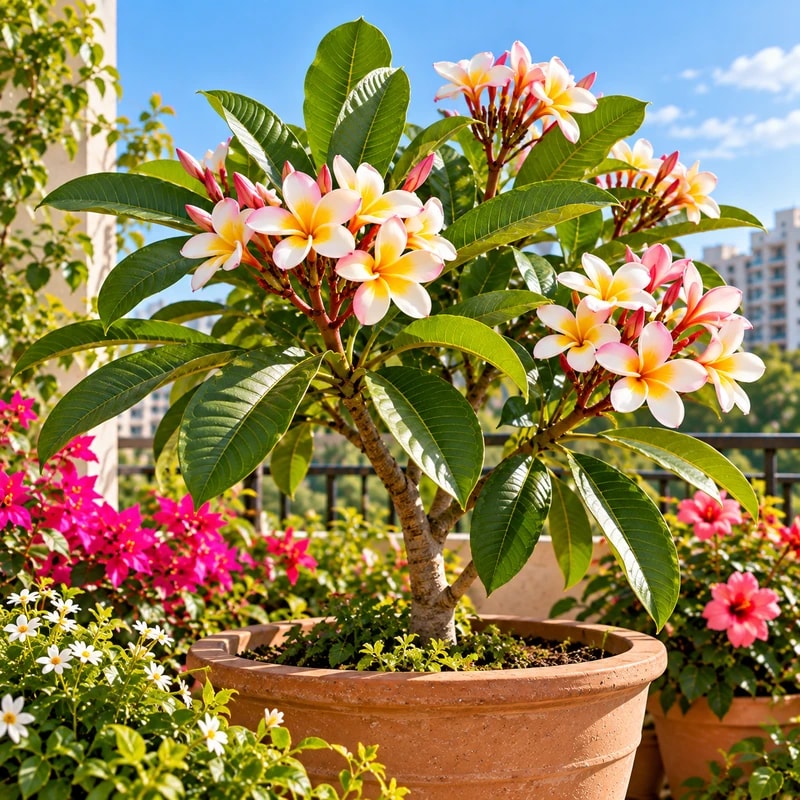
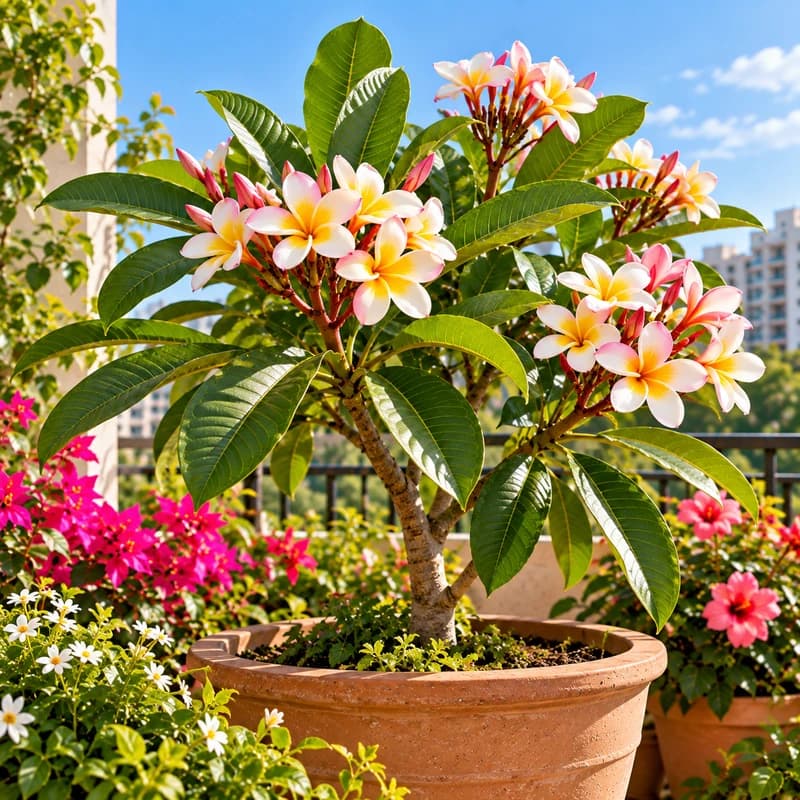
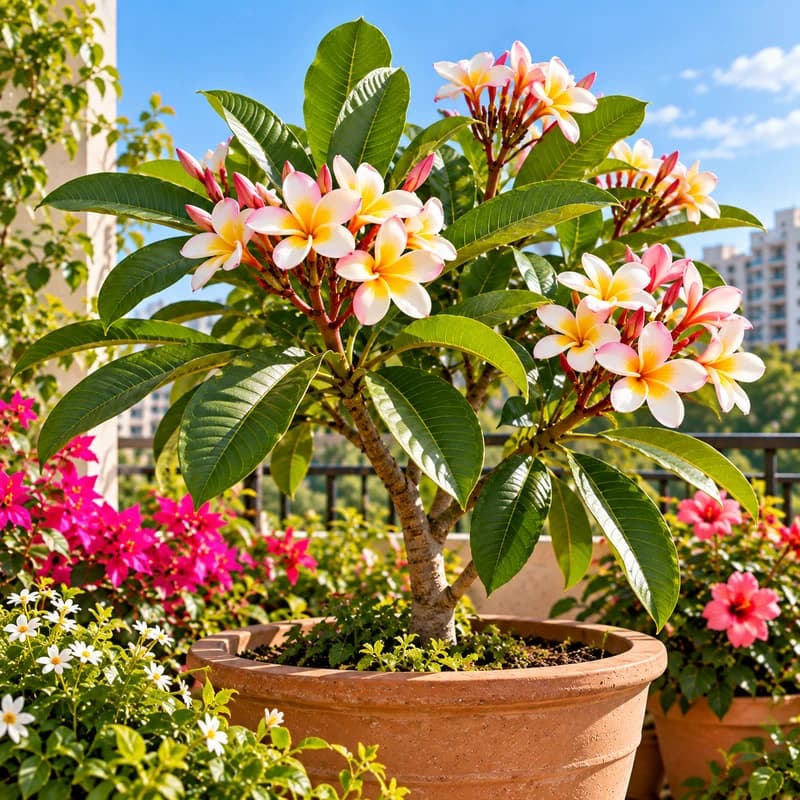
Champa (botanically known as Plumeria or Frangipani) is one of the most celebrated and beloved flowering trees in India. Renowned for its intoxicating perfume, sculptural succulent-like branches, and gorgeous five-petaled floral spirals in shades of white, gold, pink, and red, Champa brings tropical luxury and spiritual serenity to Indian homes.
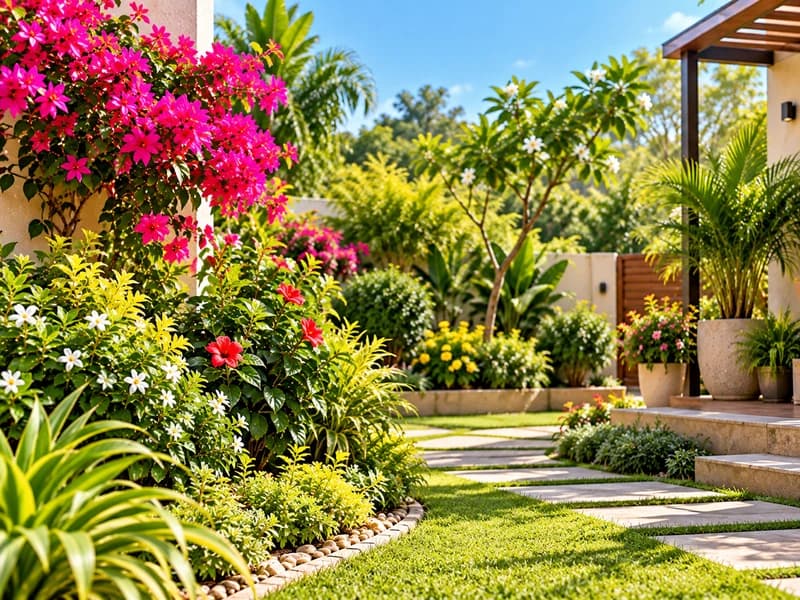
Unlike finicky flowering plants, Champa is remarkably resilient once established. It loves strong, baking Indian summer sun, thrives in dry heat, and requires minimal watering. Whether planted in a spacious terrace garden, a sunny south-facing balcony in a large terracotta pot, or as a focal lawn specimen, Champa rewards plant parents with profuse flowers from March until October.
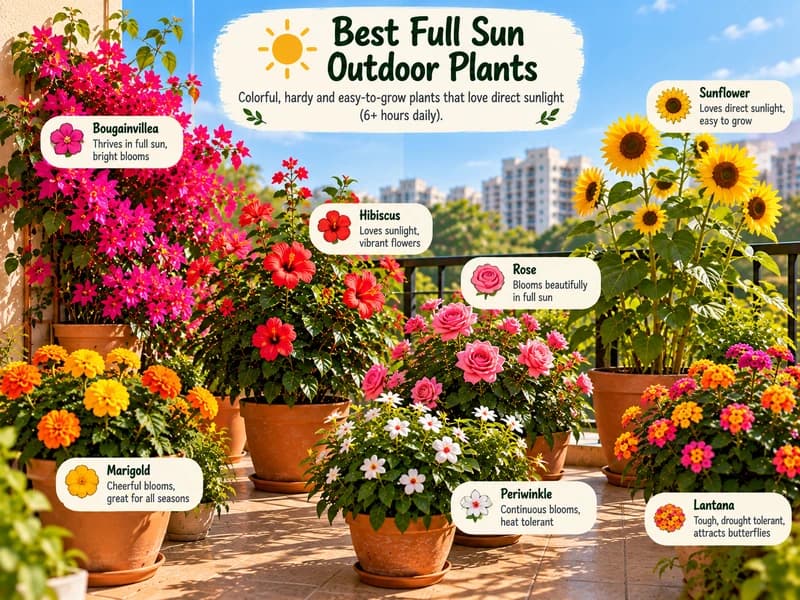
Looking to expand your garden? Explore our curated outdoor plants collection, or find sun-loving varieties for your balcony, terrace, or garden.
Quick Facts
Champa Plant at a Glance
Essential horticultural characteristics to help you care for and position your Champa plant.
Common name
Champa / Plumeria
Also known as
Frangipani, Nag Champa, Temple Tree
Botanical name
Plumeria spp. (Apocynaceae)
Plant type
Flowering outdoor tree / shrub
Light requirement
Full sun (6–8+ hours daily)
Watering routine
Moderate; allow soil to dry between waterings
Soil preference
Sandy loam, fast-draining, rich in organic matter
Maintenance level
Low (drought-tolerant once established)
Blooming season
March to October (Summer & Monsoon)
Propagation
Stem cuttings (best in spring)
About the Plant
What Makes Champa So Special in Indian Homes?
Champa belongs to the dogbane family (Apocynaceae) and is native to tropical Americas, but has been deeply embedded in Indian culture, sacred temple gardens, and traditional medicine for centuries.
The flowers are unique because they do not produce nectar; instead, their heavenly fragrance tricks night-flying sphinx moths into pollinating them. In India, Champa flowers are offered in daily prayers, used to scent essential oils and incense, and woven into hair garlands.
Champa branches are thick, fleshy, and store substantial reserves of moisture. This makes the plant exceptionally tolerant to intense summer temperatures and brief drought periods, though it makes the roots sensitive to standing water and waterlogged potting soil.
Care Guide
How to Care for a Champa Plant: 8 Golden Rules
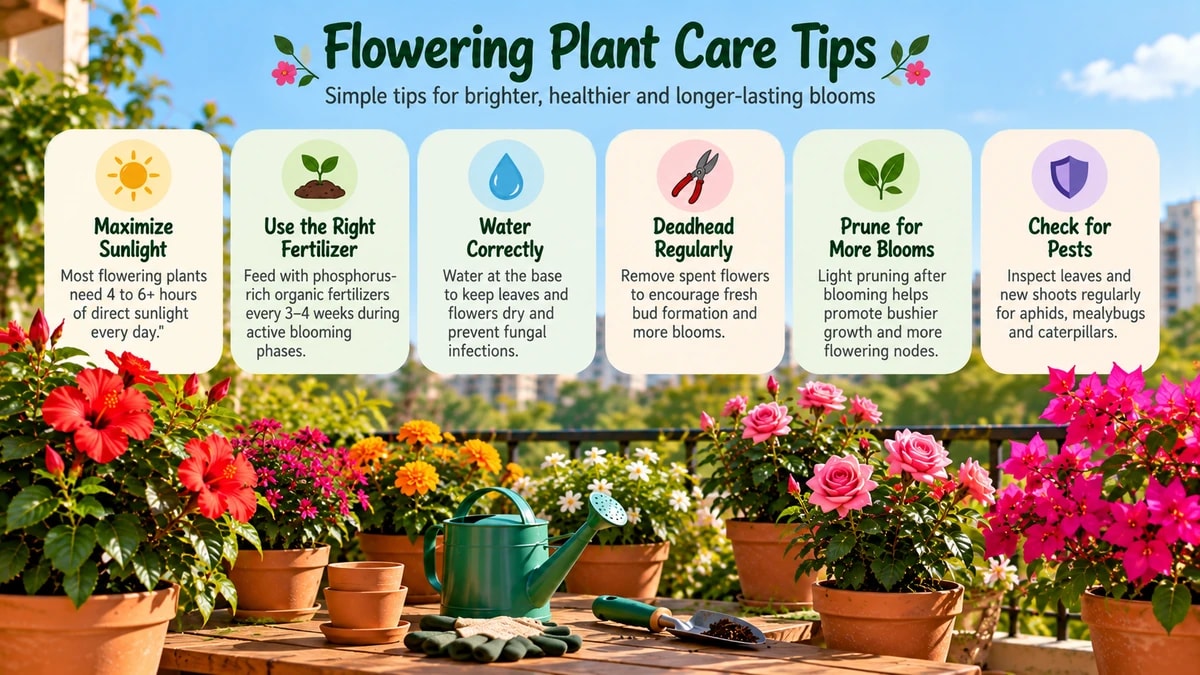
Follow these practical gardening guidelines to keep your Champa vigorous, disease-free, and loaded with blossoms.
Sunlight Requirements
Watering Guidelines
Best Potting Soil Mix
Fertilizer for Heavy Blooming
Pot Size & Drainage
Pruning & Shaping
Temperature & Winter Dormancy
Pest & Disease Management
Choose the right space
Best Outdoor Locations for Champa Plants
Champa performs best when matched with abundant sunlight, proper container dimensions, and protective shelter from chilly winter frost.
Terrace Gardens
Rooftop terraces receive all-day unfiltered sunlight and heat, creating the ideal tropical climate for Champa trees to bloom continuously.
Explore terrace plants →Balcony Gardens
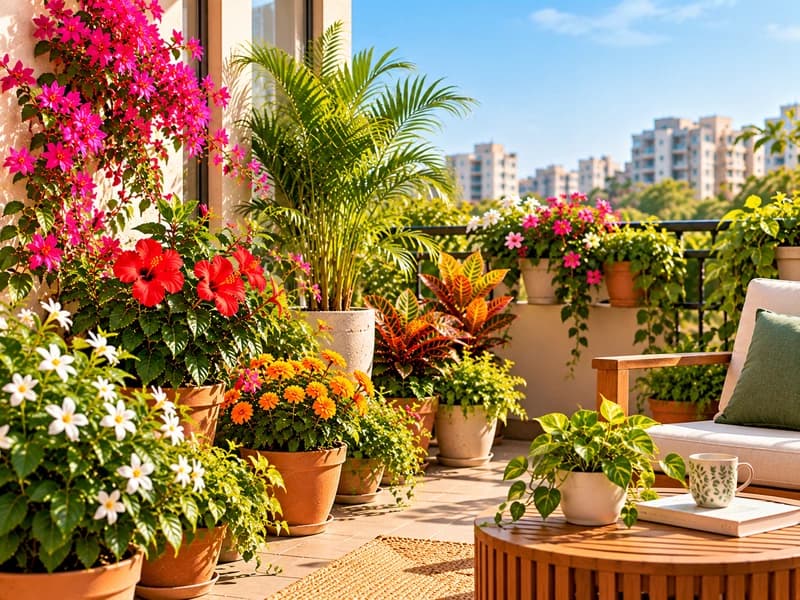
Compact varieties like Nag Champa thrive in large pots on sunny south or west-facing balconies, scenting the evening breeze.
Explore balcony plants →Full-Sun Outdoor Spaces
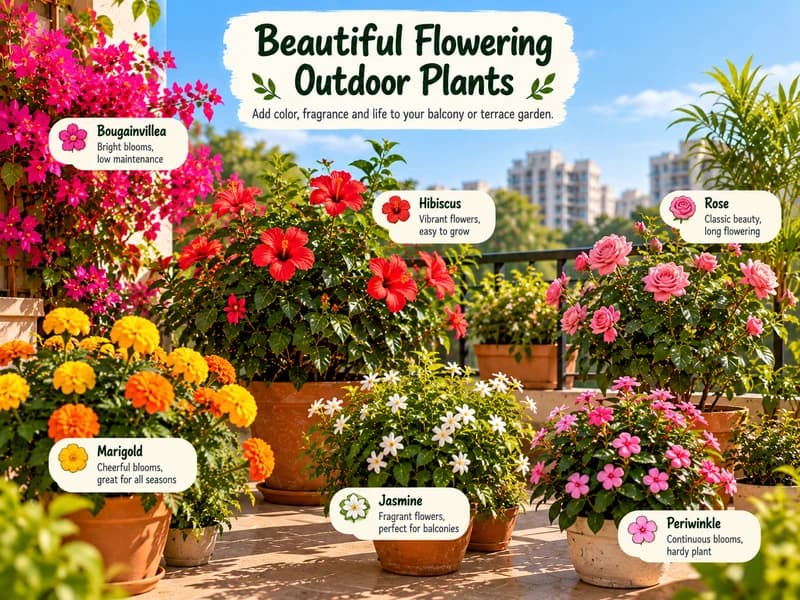
Discover resilient, sun-loving outdoor flowering plants that flourish under strong summer sun with minimal water needs.
Explore full-sun plants →Home Gardens & Lawns
Plant Champa as a standalone ornamental specimen or driveway entrance tree to add architectural elegance and divine fragrance.
Explore garden plants →Flowering Secrets
How to Trigger Heavy Blooming in Champa
The number one reason plant parents face disappointing blooms is a lack of full sunlight. Champa must get at least 6 hours of direct baking sun. If grown on a shaded balcony, move it to the sunniest ledge or rooftop.
Feed with high phosphorus and potash. Avoid high-nitrogen fertilizers (like chemical urea) which cause rapid green leafy growth with zero flower buds. Instead, top-dress with 2 handfuls of steamed bone meal, rock phosphate, or decomposed vermicompost once a month.
Water strictly with the 'soak and dry' method. Mild dry periods between waterings simulate tropical seasonal cues, prompting the plant to generate vigorous floral umbels rather than lazy stem elongation.
Popular Varieties
Top Champa Varieties to Grow at Home
Discover the most popular Plumeria species and hybrids grown across Indian gardens and terraces.
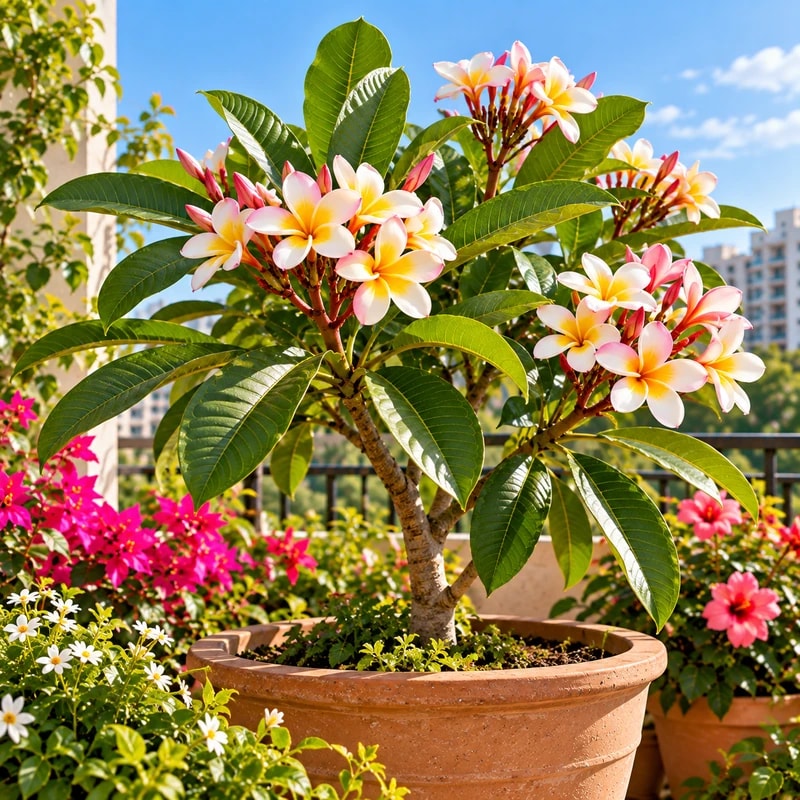
Nag Champa (Plumeria pudica)
Renowned for its distinctive fiddle-shaped leaves and pure white petals with golden centers. Unlike deciduous types, Nag Champa remains evergreen in Indian climates and blooms profusely nearly all year round, making it the top choice for balconies and terraces.
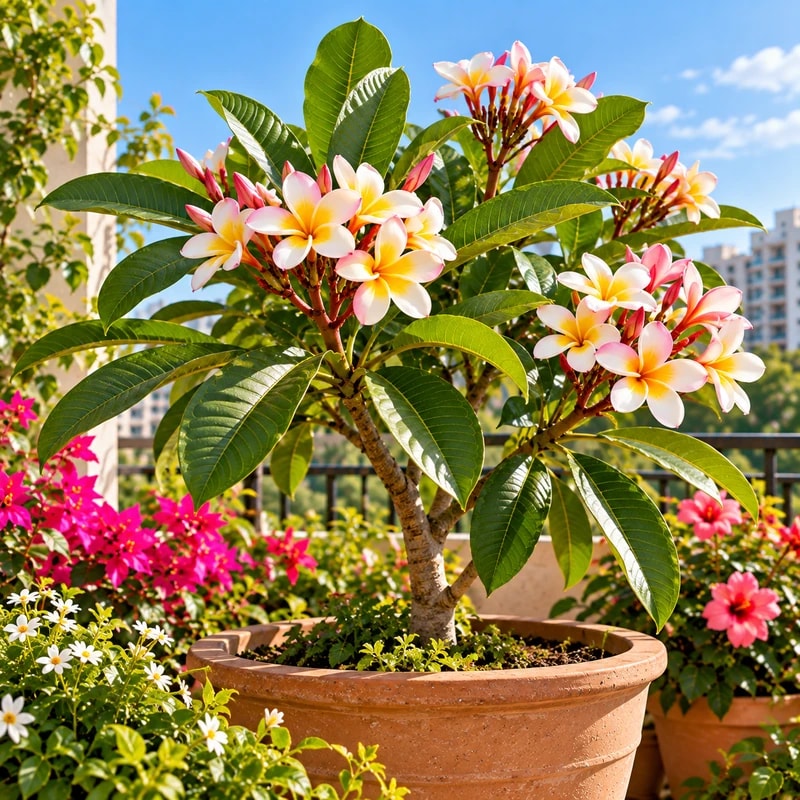
White Singapore Champa (Plumeria obtusa)
Features thick, glossy, dark green blunt foliage and intensely fragrant, velvety pure white blossoms with a warm yellow throat. Highly prized in tropical gardens, temple landscapes, and large outdoor planters.
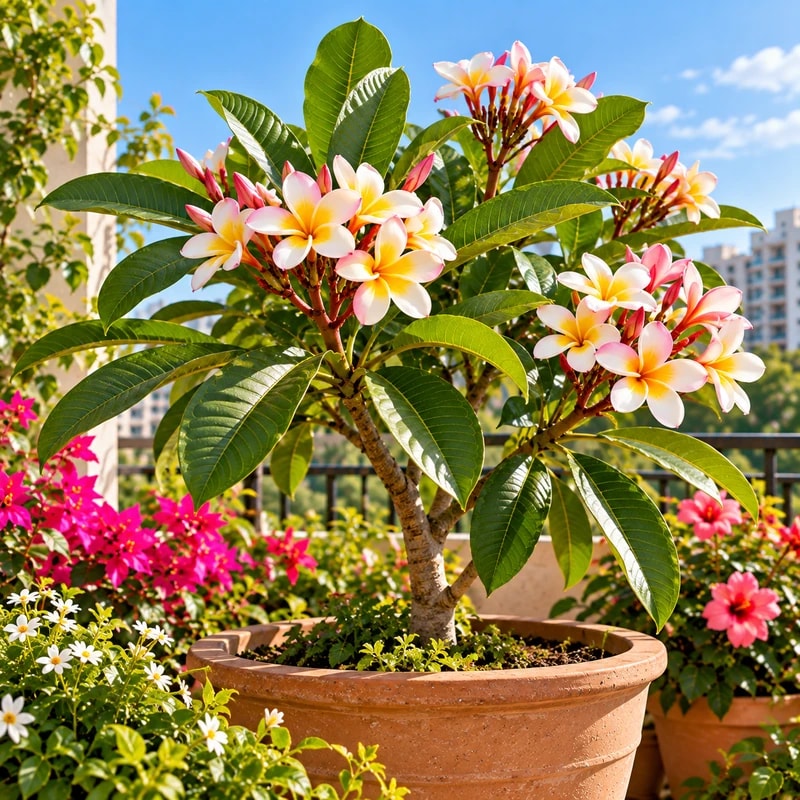
Red / Pink Champa (Plumeria rubra)
Celebrated for exotic clusters of rich magenta, crimson, coral, and tricolor blooms with an intoxicating sweet scent. Deciduous in winter and bursts into spectacular floral clusters on bare stems in early spring.
Golden Champa / Swarna Champa (Magnolia champaca)
A sacred Indian tree producing narrow, deep golden-yellow petals known for their divine, lingering perfume used in traditional attars and aromatherapy. Grows best in garden soil and spacious terrace containers.
Why Grow Champa?
Top Benefits of Having a Champa Plant
- • Divine natural perfume that scents balconies, terraces, and open gardens naturally.
- • Exceptional drought tolerance; can survive several days of missed watering during hot summers.
- • Long flowering period spanning 7 to 8 continuous months (March through October).
- • Auspicious according to Vastu Shastra; believed to promote peace, positivity, and spiritual well-being.
- • Highly resilient against common outdoor garden pests once mature.
- • Low maintenance and simple to propagate via branch cuttings.
Outdoor Placement
Where to Position Your Champa Plant
Maximize sunlight, drainage, and natural scent dispersion by selecting the ideal garden spot.
Sunny Terrace Garden
South or West-Facing Balcony
Main Gate & Entrance Way
Garden Lawn & Courtyard Accent
Propagation
How to Propagate Champa from Stem Cuttings
Champa is one of the easiest outdoor trees to propagate at home. Follow these steps for a 100% success rate.
Step 1: Take a Semi-Hardwood Cutting
In spring (February–April), select a healthy, mature grey-brown branch of 12 to 18 inches in length. Use sterilized pruning shears to make a clean angled cut just below a leaf node.
Step 2: Dry and Callus the Cut Tip
Do not plant the cutting immediately! Let it sit in a dry, shaded, well-ventilated spot for 5 to 7 days. The milky white sap will dry and form a firm, leathery callus. Planting a fresh uncallused cutting in wet soil will cause fungal rot.
Step 3: Plant in Sandy Soil & Water Lightly
Dip the callused end in rooting hormone or cinnamon powder. Plant 3–4 inches deep in a pot filled with 70% coarse sand and 30% soil. Water once, then place in bright indirect light. Keep soil barely moist until fresh green leaves sprout in 4–6 weeks.
Troubleshooting
Common Champa Plant Problems & Quick Fixes
Diagnose yellow leaves, lack of blooms, soft stems, and pest issues before they damage your plant.
Champa Plant Not Flowering
Insufficient direct sunlight (under 6 hours), overwatering, or applying excess nitrogen fertilizer are the main culprits. Move to the sunniest outdoor spot and feed with bone meal or high-potash organic fertilizer.
Yellowing & Dropping Leaves
In winter (November–February), leaf shedding is natural dormancy. In summer or monsoon, yellow leaves indicate overwatering or blocked drainage holes, leading to soggy soil.
Soft, Wrinkled or Squishy Stems (Stem Rot)
Waterlogged soil causes bacterial or fungal stem rot. Stop watering immediately, unpot the plant to check roots, prune off soft rot, and repot in a fresh, sandy, dry potting mix.
Curled, Distorted Foliage or Sticky Sap
Common sap-sucking pests like spider mites, mealybugs, and thrips target new leaf shoots in hot weather. Spray with organic neem oil emulsion every 7 to 10 days until clear.
Milky Sap Caution
Plumeria branches secrete a white latex sap when cut. This sap can irritate sensitive skin and eyes; always wear gardening gloves when pruning or taking cuttings.
Flower Buds Dropping Before Opening
Sudden environmental shock, drastic shifts in watering, or severe pest infestation can cause bud drop. Maintain consistent soil moisture and avoid harsh chemical foliar sprays.
Indian Climate Care
Champa Care Across Indian Seasons & Cities
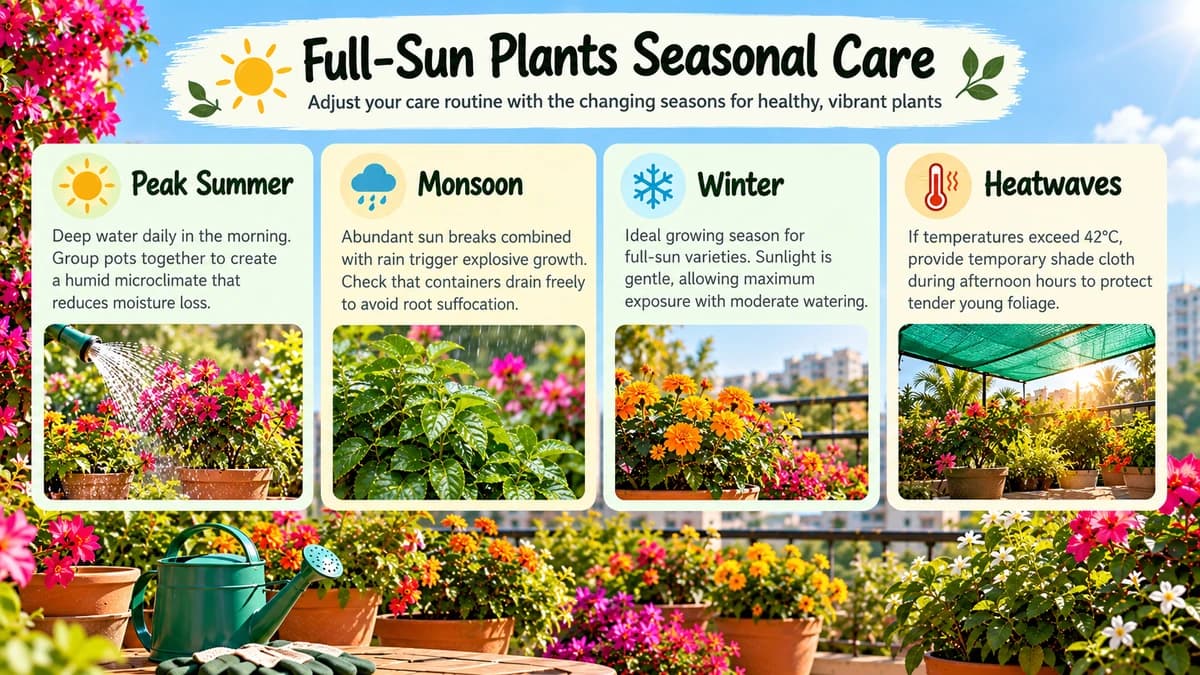
In North India (Delhi NCR, Haryana, Punjab, UP), summer temperatures routinely cross 42°C. While Champa relishes this heat, container-grown plants can dry out rapidly. Check the pot daily during May and June, and water thoroughly in the early morning or evening.
During the monsoon season (July–August), ensure pots never sit in pooling drainage trays. If outdoor rains are continuous for multiple days, tilt pots slightly or elevate them on pot feet so water discharges freely.
In winter (December–January), North Indian cold snaps cause deciduous varieties (like Plumeria rubra) to enter natural dormancy. Do not panic when leaves turn yellow and drop! Cease fertilizing and water only once every 10–14 days. New buds will burst vigorously come February.
Year-Round Calendar
Champa Care Through the Indian Seasons
Tailor your watering, feeding, and pruning calendar to the natural growth cycles of your Champa tree.
Spring (Feb–Apr)
Prune leggy stems, top-dress with fresh vermicompost and bone meal, and resume regular watering as new leaf rosettes emerge.
Summer (May–Jun)
Peak blooming season. Ensure full sunlight, deep watering every 2-3 days, and apply liquid seaweed extract every 3 weeks.
Monsoon (Jul–Sep)
Inspect pot drainage holes to prevent root rot. Spray neem oil preventively to protect fresh shoots from fungal leaf spots and pests.
Winter (Nov–Jan)
Dormancy period. Shedding leaves is natural. Move potted plants to a sunny frost-free spot, stop all fertilizers, and water minimally.
Quick Checklist
Essential Champa Plant Care Checklist
- • Provide 6 to 8+ hours of direct, unfiltered sunlight daily.
- • Use a porous, fast-draining potting mix with coarse sand or perlite.
- • Water only when the top 2–3 inches of soil feel dry.
- • Select a large, heavy container (14–18 inches) with clear drainage holes.
- • Feed with bone meal or high-phosphorus organic fertilizer every 3–4 weeks.
- • Allow cuttings to callus for 5–7 days before planting in soil.
- • Embrace winter leaf drop as natural dormancy, not plant death.
- • Prune in February to encourage multiple fragrant flowering stems.
Care Principle
Sunlight & Dry Soil Are Champa's Best Friends
Most Champa plant failures in Indian homes stem from over-caring: excessive watering and keeping the pot in a shady corner. Treat Champa like a semi-succulent flowering tree—give it plenty of sun, dry porous soil, and let nature do the rest.
Related Reading
Explore More Outdoor Gardening Guides
Discover companion flowering plants and expert care advice from the Blooming Den horticultural team.
Jasmine (Mogra)
Jasmine Plant Care Guide
Explore complete care tips for fragrant Mogra and Jasmine flowering outdoor plants.
Read guide →Bougainvillea
Bougainvillea Care Guide
Learn how to grow and care for vibrant, sun-loving Bougainvillea climbers and shrubs.
Read guide →Hibiscus (Gudhal)
Hibiscus Plant Care Guide
Discover the secrets to year-round colorful Hibiscus blooms in Indian home gardens.
Read guide →Rose Plant
Rose Plant Care Guide
Essential watering, soil, and pruning tips for heavy rose blooms in every season.
Read guide →Terrace Plants
Best Plants for Terrace Gardens
Curated outdoor plants that thrive in high heat, strong sunlight, and container setups.
Read guide →Balcony Plants
Best Plants for Balcony Gardens
Find flowering, foliage, and low-maintenance plants for compact sunny balconies.
Read guide →Frequently Asked Questions
Champa Plant FAQs: Expert Answers
Clear answers to the most common search questions about growing, watering, flowering, and troubleshooting Champa plants.
How often should you water a Champa plant?
Water your Champa plant only when the top 2 to 3 inches of soil feel completely dry to the touch. Champa is a semi-succulent plant that stores water in its thick branches, making it prone to stem rot and root rot if overwatered. In hot Indian summers, water thoroughly once every 2-3 days; during the rainy monsoon, pause watering; and in winter dormancy, water minimally once every 10-15 days.
Does Champa plant need full sunlight to bloom?
Yes. Champa requires at least 6 to 8 hours of direct, unfiltered sunlight every day to produce healthy flower buds. If kept in partial shade or low light, the plant will grow leggy foliage with few or no blooms.
Why is my Champa plant not flowering?
The most common reasons for a Champa plant not blooming are: (1) Insufficient direct sunlight (less than 6 hours), (2) Overwatering, which signals the plant to focus on root survival rather than blooming, (3) Excess nitrogen fertilizer producing lush green leaves at the cost of flowers, (4) Pot size being too small or waterlogged, and (5) The plant being in its natural winter dormancy period.
How do I get more flowers on my Champa plant?
To maximize blooms: provide 6-8 hours of direct sun, allow the soil to dry out between waterings, and feed with a high-phosphorus and potassium fertilizer such as steamed bone meal, mustard cake (sarson khali) liquid, or seaweed extract every 3-4 weeks from March to September. Pruning the tips in early spring also forces the stem to split into 2-3 new flowering branches.
Why are my Champa plant leaves turning yellow and falling?
If leaves turn yellow and drop in November to February, this is completely normal winter dormancy (deciduous leaf drop). The plant will sprout fresh green leaves and flower clusters in March. If leaves turn yellow and soft in summer or monsoon, it is a sign of overwatering or poor drainage causing root rot.
Can Champa grow in pots on a balcony or terrace?
Yes. Champa thrives in containers on sunny balconies and rooftop terraces. Choose a sturdy terracotta or ceramic pot of at least 14 to 18 inches in diameter with multiple drainage holes. Varieties like Nag Champa (Plumeria pudica) and dwarf Plumeria cultivars are exceptionally well-suited for container gardening.
What is the best soil mix for Champa plant?
Champa requires a gritty, fast-draining potting mix. A proven mix is 40% garden soil, 30% coarse river sand or perlite, 20% well-decomposed vermicompost or cow dung manure, and 10% neem cake powder to prevent root fungal infections and nematodes.
How to propagate Champa plant from cutting?
Take a 12 to 18-inch mature, semi-hardwood branch cutting in spring (March-April). Allow the cut end to dry and callus in shade for 5 to 7 days until the milky sap seals. Dip the callused tip in rooting hormone or cinnamon powder and insert 3-4 inches deep into a sandy, slightly moist potting mix. Keep in bright indirect light; roots establish within 4 to 6 weeks.
Which Champa variety flowers all year round?
Nag Champa (Plumeria pudica), also known as the Bridal Bouquet or Fiddle-Leaf Plumeria, is an evergreen variety that blooms almost continuously throughout the year in Indian climates and does not shed all its leaves in winter.
Is Champa plant auspicious according to Vastu Shastra?
Yes. According to Vastu Shastra and Indian traditions, flowering Champa plants bring positive energy, peace, and spiritual harmony. Placing a Champa plant in the North, East, or Northeast zone of an outdoor garden or terrace is considered highly auspicious and invites abundance.
Blooming Den Services
Need Help Keeping Your Garden Vibrant & Flowering?
Book verified professional gardeners in Gurugram and Delhi NCR for routine plant maintenance, soil revival, pruning, and personalized flowering care.