
Plants to Grow in February in India 2026: Best Flowers, Vegetables & Herbs
Gardening Made Easy: Discover the best plants to grow in February and prepare your home garden for the transition from winter to spring.
Posted: August 12, 2026 | Seasonal Gardening
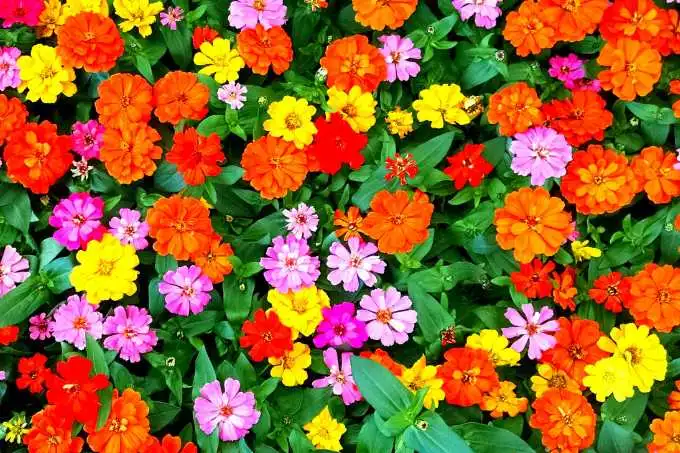
February is an important month for gardeners across India. In many regions, winter is gradually giving way to warmer spring weather, creating favorable conditions for a wide range of flowers, vegetables, herbs, and ornamental plants.
Winter flowers such as Marigold, Petunia, Calendula, Pansy, Dianthus, and Chrysanthemum can continue blooming in suitable climates, while vegetables such as Spinach, Radish, Carrot, Beetroot, Peas, and Lettuce can still be harvested during the cooler part of the season.
February is also a useful time to begin preparing for spring and warmer weather. Depending on your region, you can introduce plants that tolerate increasing temperatures while gradually adjusting your watering and sunlight routine.
In this guide, we cover the best plants to grow in February in India, including flowering plants, vegetables, herbs, balcony plants, and terrace garden options. You will also learn how to care for your garden as temperatures begin to rise.
IN THIS ARTICLE
- Marigold
- Petunia
- Calendula
- Dianthus
- Chrysanthemum
- Zinnia
- Spinach
- Radish
- Carrot
- Beetroot
- Green Peas
- Best Herbs to Grow in February
- Best February Plants Based on Your Space
- How to Care for Plants in February
- Common February Gardening Mistakes
- Quick February Gardening Cheat Sheet
- Frequently Asked Questions
1. Marigold
Marigold is a reliable flowering plant for February gardening in many parts of India. Its bright yellow, orange, and golden flowers can continue adding color to balconies, terraces, garden beds, and containers.
As temperatures gradually increase, Marigolds benefit from good sunlight and regular but controlled watering. Removing faded flowers can encourage continued blooming.
2. Petunia
Petunia is a popular winter-to-spring flowering plant that can continue producing colorful blooms during February in suitable climates. It is particularly attractive in hanging baskets, balconies, window boxes, and terrace containers.
Provide enough sunlight and use a fertile, well-draining potting mix. Regular deadheading can help maintain flowering and keep the plant tidy.
3. Calendula
Calendula is a cheerful cool-season flower that can perform well during the cooler part of February. Its yellow and orange flowers work beautifully in containers, garden borders, balconies, and terrace gardens.
As the weather warms, monitor the plant carefully and provide appropriate sunlight and moisture. Good drainage remains important to keep the roots healthy.
4. Dianthus
Dianthus is a compact flowering plant that can add color and fragrance to February gardens. It is particularly suitable for pots, balcony gardens, terrace containers, and garden borders.
Dianthus prefers plenty of sunlight and well-draining soil. Avoid excessive watering, especially when growing it in containers.
5. Chrysanthemum
Chrysanthemum is a popular winter flowering plant that can continue displaying blooms during the cooler part of February. Its colorful flowers make it a great choice for pots, terraces, balconies, and garden beds.
Provide adequate sunlight, moderate watering, and good airflow. Remove faded flowers regularly to maintain the plant and encourage further flowering where conditions remain suitable.
6. Zinnia
Zinnia is a colorful flowering plant that becomes a useful choice as temperatures begin moving toward warmer spring conditions. Its bright flowers can bring pink, red, orange, yellow, and other vibrant shades to home gardens.
Zinnias prefer plenty of sunlight and good airflow. In warmer regions, February can be a useful time to start preparing for their growing season, depending on the local climate.
7. Spinach
Spinach is a productive leafy green for the cooler part of February. It can be grown in pots, grow bags, raised beds, and kitchen gardens.
Harvest the outer leaves regularly instead of removing the entire plant. This can allow the plant to continue producing fresh leaves while the weather remains suitable.
8. Radish
Radish is a fast-growing root vegetable that can still be useful during the cooler part of February. It is suitable for garden beds, grow bags, and deep containers.
Use loose soil so the roots can develop properly. As temperatures increase, keep an eye on moisture and harvest at the appropriate stage to maintain good quality.
9. Carrot
Carrots are cool-season root vegetables that can continue growing during the cooler part of February. They can be grown in garden beds or deep containers with loose soil.
Avoid compact soil and stones that can interfere with root development. Consistent moisture is useful while the roots are developing.
10. Beetroot
Beetroot is another useful cool-season crop for home gardens. It can be grown in containers and garden beds and provides both edible roots and young leaves.
Use loose, fertile soil and give the roots enough space to develop. Consistent moisture is important, but avoid keeping the soil saturated.
11. Green Peas
Green peas are well suited to cool-season gardens and can continue producing during February where temperatures remain favorable. They can be grown in containers, grow bags, and garden beds.
Provide climbing varieties with a trellis or support. As temperatures begin rising, monitor plants more closely and maintain consistent soil moisture without overwatering.
Best Herbs to Grow in February
February can be a useful month for growing several kitchen herbs, especially in regions where temperatures are still moderate. These herbs are suitable for balconies, window gardens, containers, and kitchen gardens.
| Herb | Best Growing Location | Sunlight |
|---|---|---|
| Coriander | Balcony, containers and kitchen gardens | 3–5 hours |
| Fenugreek | Containers and kitchen gardens | 4–6 hours |
| Mint | Containers and partially shaded areas | 3–5 hours |
| Parsley | Containers and balcony gardens | 4–6 hours |
Best February Plants Based on Your Space
| Space | Recommended Plants |
|---|---|
| Sunny Balcony | Marigold, Petunia, Dianthus, Calendula, Spinach |
| Terrace Garden | Marigold, Petunia, Zinnia, Radish, Carrot, Green Peas |
| Kitchen Garden | Spinach, Radish, Carrot, Beetroot, Green Peas, Coriander |
| Small Containers | Marigold, Petunia, Dianthus, Calendula, Coriander |
| Grow Bags | Spinach, Radish, Carrot, Beetroot, Green Peas |
How to Care for Plants in February
1. Gradually Adjust Watering
February often marks the beginning of warmer weather. As temperatures increase, plants may start using more water. Check the soil regularly and gradually adjust watering instead of suddenly increasing it.
2. Make the Most of Morning Sunlight
Many flowering plants and vegetables benefit from several hours of sunlight. Morning sunlight is particularly useful in warmer regions, while plants should be positioned according to their individual light needs.
3. Watch for Rising Temperatures
February weather can vary significantly across India. Monitor your local temperatures and watch for signs of heat stress in cool-season plants as the weather begins to warm.
4. Maintain Good Drainage
Increasing watering needs should not mean waterlogged soil. Make sure containers have drainage holes and use a loose, well-draining potting mix.
5. Feed Actively Growing Plants
Plants that are actively producing new leaves, flowers, or vegetables can benefit from appropriate nutrition. Use compost or a suitable balanced fertilizer according to the plant's requirements.
6. Remove Faded Flowers and Damaged Leaves
Regularly remove faded flowers, yellow leaves, and damaged foliage. This helps maintain plant appearance and makes it easier to identify pests and diseases.
7. Start Preparing for Spring
February is a useful transition month. Begin planning which plants will tolerate warmer weather and gradually replace cool-season crops as temperatures become less favorable for them.
Common February Gardening Mistakes
- Continuing the same winter watering schedule as temperatures increase
- Watering plants without checking the soil first
- Keeping cool-season plants exposed to excessive afternoon heat
- Using poorly draining soil or containers without drainage holes
- Applying too much fertilizer at once
- Ignoring signs of heat stress such as wilting or scorched leaves
- Planting cool-season crops too late in regions where temperatures rise quickly
- Forgetting to monitor pests as temperatures become warmer
Quick February Gardening Cheat Sheet
| Aspect | Recommendation |
|---|---|
| Best Flowers | Marigold, Petunia, Calendula, Dianthus, Chrysanthemum and Zinnia |
| Best Vegetables | Spinach, Radish, Carrot, Beetroot and Green Peas |
| Best Herbs | Coriander, Fenugreek, Mint and Parsley |
| Sunlight | Generally 4–6 hours depending on the plant and local climate |
| Water | Check soil regularly and gradually increase watering as temperatures rise |
| Soil | Loose, fertile and well-draining soil |
| Temperature | Monitor local conditions as winter gradually transitions toward spring |
| Maintenance | Deadhead flowers, remove damaged leaves and monitor for pests and heat stress |
Frequently Asked Questions
Q1. Which plants can I grow in February in India?
Q2. Which flowers are best to grow in February?
Q3. Which vegetables can I plant in February?
Q4. Can I grow vegetables in pots in February?
Q5. How often should I water plants in February?
Q6. Is February a good time to start a garden in India?
Q7. Can I grow coriander in February?
Q8. What should I plant in February before summer arrives?
Q9. How do I protect winter plants from February heat?
Q10. What are the easiest plants to grow in February?
Author Bio
Written by the Blooming Den Gardening Team – Verified plant experts helping urban India go green since 2025. We deliver plants, supplies, and professional care to your doorstep.