
Plants to Grow in January in India 2026: Best Flowers, Vegetables & Herbs
Gardening Made Easy: Discover the best plants to grow in January and create a colorful, productive winter garden at home.
Posted: August 12, 2026 | Seasonal Gardening
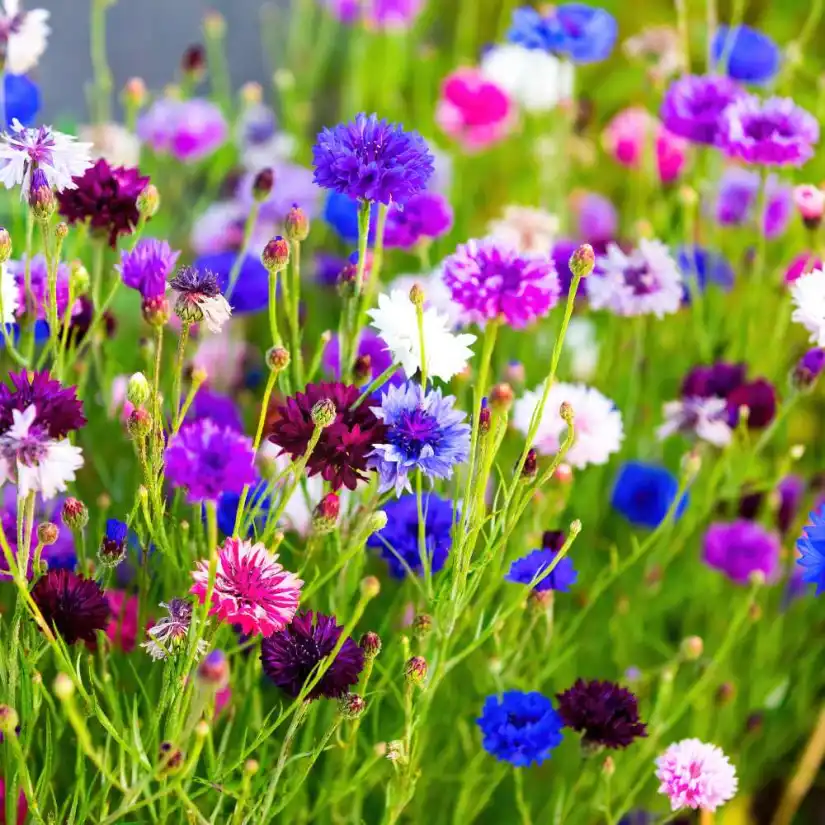
January is one of the best months for gardening in many parts of India. Cool temperatures, pleasant winter sunlight, and favorable growing conditions make it a great time to grow flowering plants, vegetables, herbs, and leafy greens.
If you want to add color to your garden, flowers such as Marigold, Petunia, Pansy, Calendula, Dianthus, Chrysanthemum, and Snapdragon are excellent winter choices. For a productive kitchen garden, January is suitable for crops such as Spinach, Radish, Carrot, Green Peas, Beetroot, Lettuce, and Coriander.
In this guide, we cover the best plants to grow in January in India, including flowering plants, vegetables, herbs, balcony plants, and terrace garden options. You will also learn about sunlight, watering, soil, fertilizer, cold protection, and common winter gardening mistakes.
IN THIS ARTICLE
1. Marigold
Marigold is one of the easiest flowering plants to grow during January. Its bright yellow, orange, and golden flowers can bring plenty of color to winter balconies, terraces, garden beds, and containers.
Marigolds perform best with plenty of sunlight and well-draining soil. Regularly removing faded flowers can help maintain a neat appearance and encourage continued blooming.
2. Petunia
Petunia is a popular winter flower that works especially well in balconies, hanging baskets, window boxes, and terrace gardens. Its colorful trumpet-shaped flowers can continue blooming through the cool season when conditions are suitable.
Give Petunias sufficient sunlight and use a fertile, well-draining potting mix. Removing faded flowers regularly can encourage additional blooms.
3. Pansy
Pansies are beautiful cool-season flowers known for their distinctive blooms and wide range of colors. They are excellent choices for pots, balconies, window boxes, and small garden borders.
Pansies prefer cooler temperatures and gentle sunlight. In regions where winter afternoons become warmer, protect them from excessive heat later in the season.
4. Calendula
Calendula is a cheerful winter flowering plant that produces attractive yellow and orange flowers. It can add warmth and color to January gardens, balconies, containers, and garden borders.
It prefers cool weather, good sunlight, and soil that drains well. Avoid keeping the roots continuously wet.
5. Dianthus
Dianthus is a compact winter flowering plant that works well in containers, balconies, terraces, and garden borders. Some varieties also produce pleasantly fragrant flowers.
Dianthus prefers plenty of sunlight and well-draining soil. Avoid excessive watering, especially when growing it in containers.
6. Snapdragon
Snapdragon is a colorful cool-season flowering plant that can add height and structure to a winter garden. Its upright flower spikes work particularly well in containers and mixed garden beds.
It performs best in cool weather with suitable sunlight and moderate, consistent watering. Avoid keeping the soil saturated.
7. Spinach
Spinach is a productive cool-season leafy green that is well suited to January gardening. It can be grown in pots, grow bags, raised beds, and kitchen gardens.
Harvesting the outer leaves regularly allows you to enjoy fresh greens while encouraging the plant to continue producing new leaves.
8. Radish
Radish is one of the easiest root vegetables to grow during the winter. It can be planted in garden beds, grow bags, and suitably deep containers.
Loose soil is particularly important because compacted soil can restrict root development. Maintain consistent moisture without creating waterlogged conditions.
9. Carrot
Carrots are another excellent cool-season crop for January. They can be grown in garden beds or deep containers as long as the growing medium is loose and deep enough for the roots.
Avoid compact soil and large stones in the growing medium. Consistent moisture during root development can help support healthy growth.
10. Green Peas
Green peas are well suited to cool-season gardening and can be grown in containers, grow bags, or garden beds. They are a rewarding choice for home gardeners who want to grow fresh vegetables in a limited space.
Provide support for climbing varieties and keep the soil consistently moist without allowing excess water to collect around the roots.
11. Beetroot
Beetroot is a useful cool-season vegetable for home gardens. Both its colorful roots and young leaves can be used, making it a productive choice for containers and kitchen gardens.
Grow beetroot in loose, fertile soil and provide enough depth for the roots to develop. Consistent watering is important, but avoid waterlogging.
Best Herbs to Grow in January
January is also a good time to grow several kitchen herbs. These plants are particularly useful for balconies, window gardens, small containers, and home kitchen gardens.
| Herb | Best Growing Location | Sunlight |
|---|---|---|
| Coriander | Balcony, containers and kitchen gardens | 3–5 hours |
| Fenugreek | Containers and kitchen gardens | 4–6 hours |
| Parsley | Containers and balcony gardens | 4–6 hours |
| Mint | Containers and partially shaded areas | 3–5 hours |
Best January Plants Based on Your Space
| Space | Recommended Plants |
|---|---|
| Sunny Balcony | Petunia, Marigold, Pansy, Calendula, Spinach |
| Terrace Garden | Marigold, Petunia, Snapdragon, Radish, Carrot, Green Peas |
| Kitchen Garden | Spinach, Radish, Carrot, Beetroot, Green Peas, Coriander |
| Small Containers | Marigold, Pansy, Petunia, Dianthus, Coriander |
| Grow Bags | Spinach, Radish, Carrot, Beetroot, Green Peas |
How to Care for Plants in January
1. Adjust Your Watering Schedule
Cooler temperatures can slow evaporation, so plants often require less water than they do during warmer months. Check the soil before watering and avoid following a fixed daily schedule.
2. Maximize Winter Sunlight
Many winter flowers and vegetables need several hours of sunlight. Place containers in bright locations and rotate them occasionally so plants receive more even exposure.
3. Protect Sensitive Plants From Frost and Cold
In colder regions, young seedlings and sensitive container plants may need protection from very cold nights or frost. Move containers to a sheltered area when temperatures become unusually low.
4. Keep the Soil Well Drained
Winter plants still need healthy roots. Use loose, well-draining soil and make sure containers have drainage holes to prevent excess moisture.
5. Feed Actively Growing Plants
Flowering plants and vegetables that are actively growing can benefit from appropriate feeding. Avoid excessive fertilizer when growth is slow during particularly cold periods.
6. Remove Dead Leaves and Flowers
Remove faded flowers, yellow leaves, and damaged foliage regularly. This keeps plants tidy and makes it easier to spot pests and diseases early.
7. Monitor Winter Pests
Aphids, mealybugs, and other pests can still affect plants during winter. Inspect new growth and the undersides of leaves regularly and address problems early.
Common January Gardening Mistakes
- Watering plants too frequently during cool weather
- Keeping winter flowers in locations without enough sunlight
- Leaving sensitive seedlings exposed to very cold nights
- Using compact or poorly draining soil
- Applying excessive fertilizer when plant growth is slow
- Using shallow containers for carrots, radishes, and other root vegetables
- Ignoring pests because temperatures are lower
- Allowing faded flowers and damaged leaves to remain on the plant
Quick January Gardening Cheat Sheet
| Aspect | Recommendation |
|---|---|
| Best Flowers | Marigold, Petunia, Pansy, Calendula, Dianthus and Snapdragon |
| Best Vegetables | Spinach, Radish, Carrot, Green Peas and Beetroot |
| Best Herbs | Coriander, Fenugreek, Parsley and Mint |
| Sunlight | Generally 4–6 hours depending on the plant |
| Water | Check soil before watering and avoid waterlogging |
| Soil | Loose, fertile and well-draining soil |
| Cold Protection | Protect sensitive plants and young seedlings during very cold nights |
| Maintenance | Deadhead flowers, remove damaged leaves and inspect regularly for pests |
Frequently Asked Questions
Q1. Which plants can I grow in January in India?
Q2. Which flowers are best to grow in January?
Q3. Which vegetables can I plant in January?
Q4. Can I grow carrots in pots in January?
Q5. How often should I water plants in January?
Q6. Do January plants need direct sunlight?
Q7. Can I grow coriander in January?
Q8. How do I protect plants from cold weather in January?
Q9. What are the easiest plants to grow in January?
Q10. Is January a good month for gardening in India?
Author Bio
Written by the Blooming Den Gardening Team – Verified plant experts helping urban India go green since 2025. We deliver plants, supplies, and professional care to your doorstep.