
Indoor Plants / Plant Guide
Aglaonema: Complete Care Guide, Benefits & Varieties
Learn how to grow and care for Aglaonema (Chinese Evergreen) indoors with practical guidance on light, watering, soil, humidity, propagation, varieties, and indoor placement.
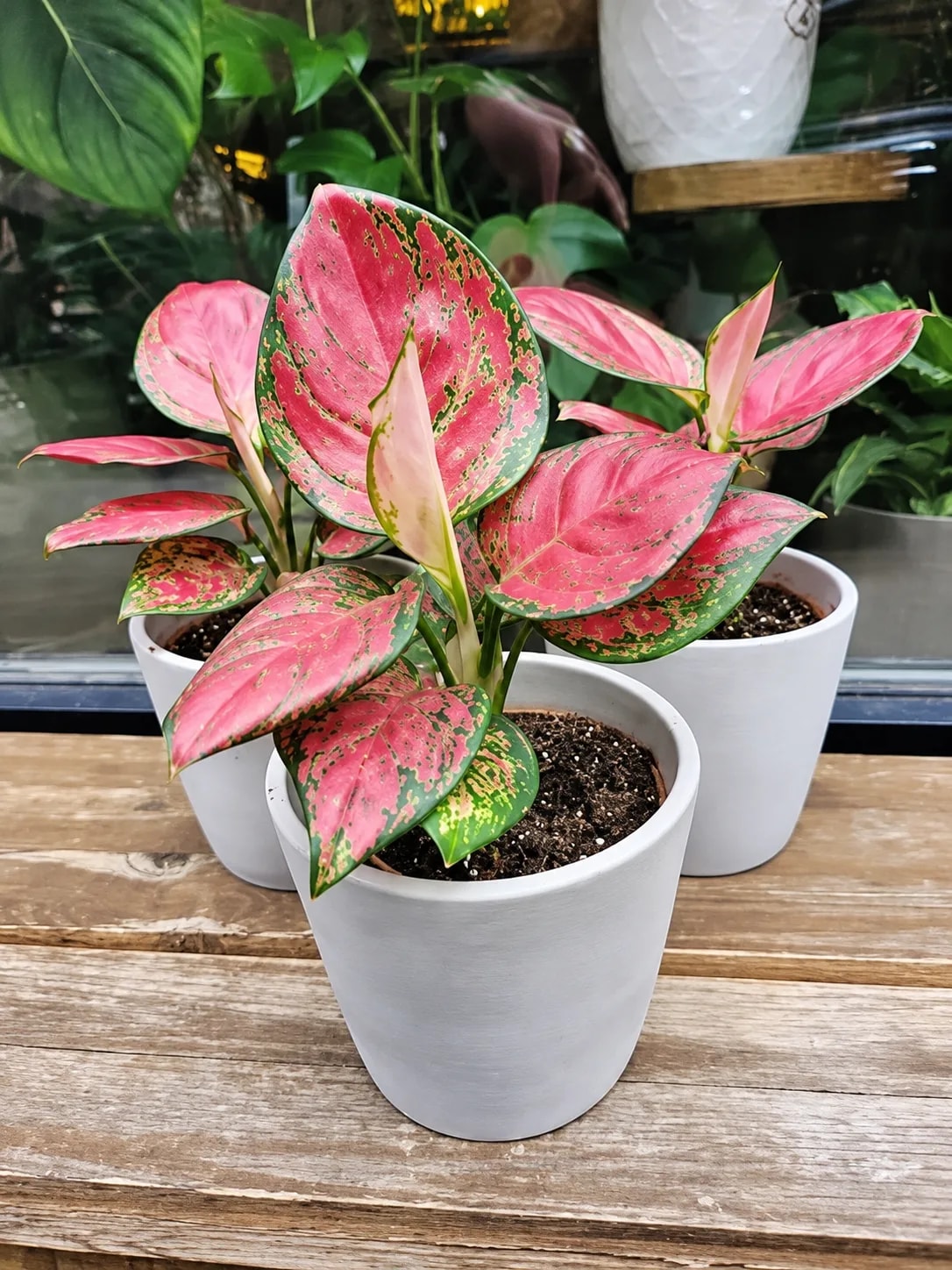
Aglaonema Plant Guide
Everything you need to know about Aglaonema
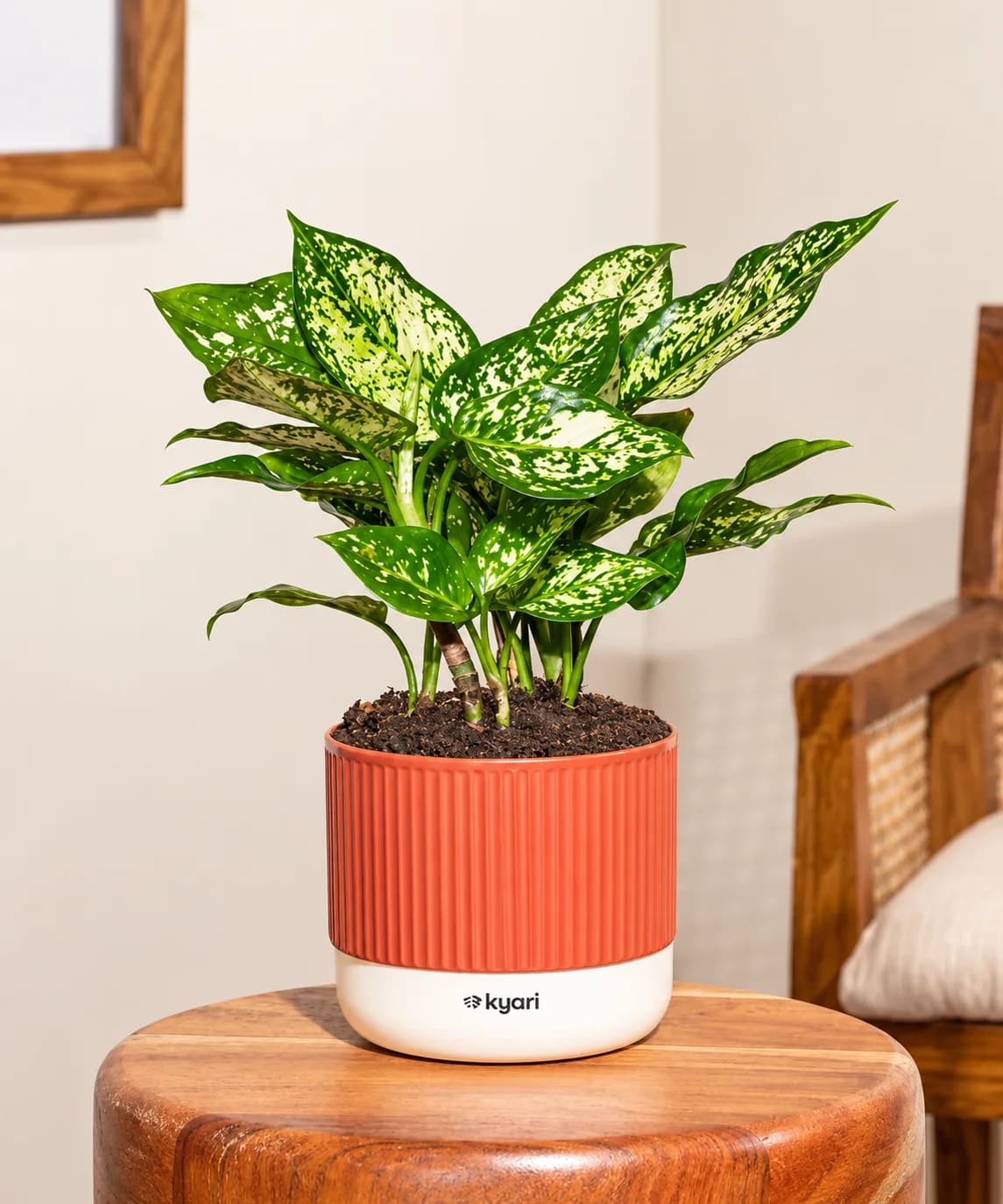
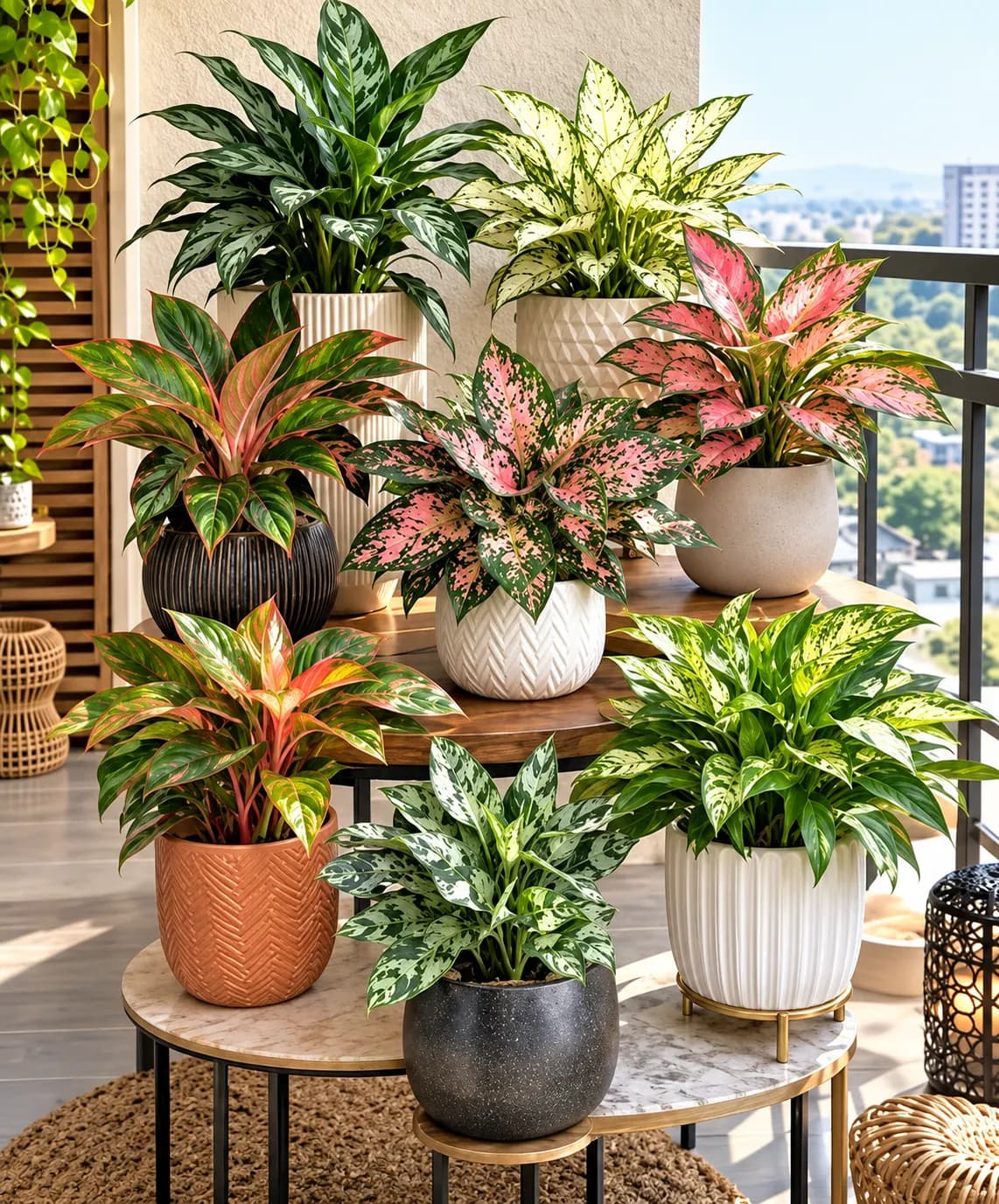
Aglaonema, commonly known as Chinese evergreen, is one of the most resilient and decorative indoor plants available for modern interiors. Celebrated for its lush patterned leaves in shades of green, silver, cream, pink, and ruby red, it effortlessly elevates homes and workspaces.
Native to the tropical rainforests of Southeast Asia, Aglaonema has adapted naturally to lower-light understory conditions. This makes it an ideal houseplant for rooms with moderate or low natural sunlight, as well as offices and bedrooms.
Whether you are a beginner looking for an easy-care indoor plant or an avid collector seeking colorful cultivars like Siam Aurora, Aglaonema offers dependable beauty with minimal fuss. For more resilient options, compare with our low-maintenance indoor plants collection.
Quick facts
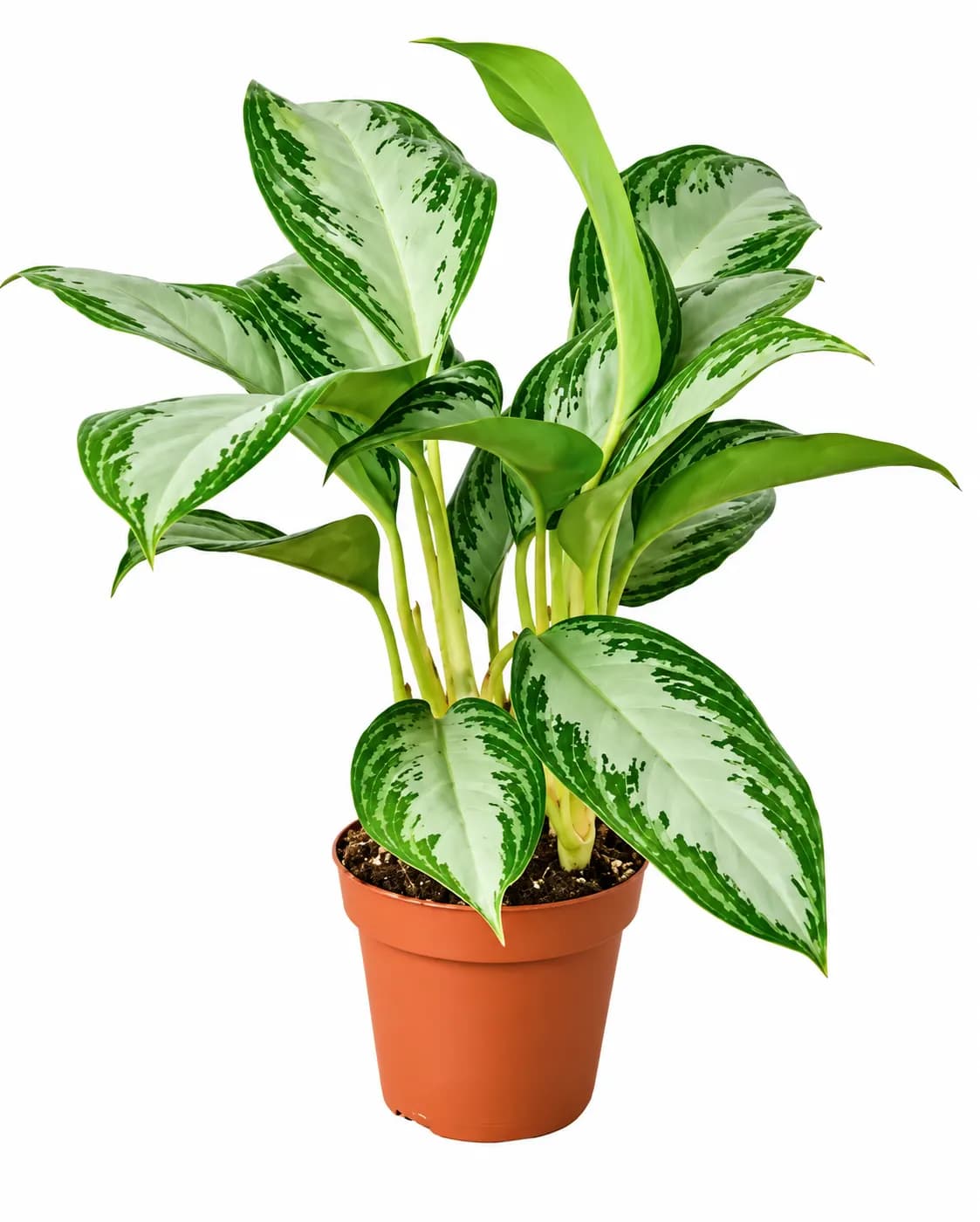
Aglaonema at a Glance
Use these basic characteristics as a starting point when choosing and caring for Aglaonema indoors.
Common name
Aglaonema
Botanical name
Aglaonema commutatum
Also known as
Chinese Evergreen
Light
Bright indirect to low light
Watering
Allow top 2 inches to dry
Maintenance
Low
Growth
Slow to moderate upright foliage
Propagation
Stem cuttings and division
About the plant
What Is Aglaonema?
Aglaonema is a genus of flowering plants in the arum family, Araceae, native to the tropical and subtropical regions of Asia. In home cultivation, they are grown for their striking foliage and forgiving nature.
Their broad, lance-shaped leaves emerge from central root clusters, forming dense clumps that fit comfortably on tabletops, desks, and decorative floor stands.
Beyond visual appeal, Aglaonema is widely recognized for its air-purifying capability, filtering household volatile organic compounds while tolerating dry indoor air and periodic neglect.
Care guide
How to Care for an Aglaonema Plant
Good Aglaonema care starts with suitable indirect light, controlled watering, well-draining soil, and comfortable room temperatures.
Aglaonema Light Requirements
Aglaonema thrives in medium to bright indirect light. Dark green cultivars tolerate low light with ease, making them excellent choices for shaded corners.
Varieties with vibrant pink or red variegation need moderate to bright filtered light to maintain vivid coloration. Avoid harsh direct sun. For darker spaces, explore our low-light indoor plants guide.
Aglaonema Watering
Water moderately when the top 1–2 inches of soil feel completely dry. Aglaonema prefers evenly moist soil during active growth but forgives occasional missed waterings.
Never allow the pot to sit in standing water. For broader indoor plant care guidance, explore our indoor plant collection.
Best Soil for Aglaonema
Plant in a chunky, well-aerated potting mix combining coco peat, perlite, and compost. Excellent drainage prevents root rot and allows roots to breathe freely.
Temperature Requirements
Ideal indoor temperatures range between 18°C and 28°C. Protect the plant from cold air conditioning drafts, open winter windows, and sudden temperature drops below 15°C.
Humidity Needs
Aglaonema adapts well to standard room humidity (40–60%). Higher humidity encourages lusher leaf growth and prevents crispy tip browning in dry seasons.
Fertilizer & Feeding
Apply a balanced, diluted liquid houseplant fertilizer once every 4–6 weeks during spring and summer. Withhold fertilizer during winter when growth naturally slows.
Repotting Aglaonema
Repot every 2–3 years in spring when roots fill the pot. Choose a container 1–2 inches larger in diameter with ample drainage holes to prevent overpotting.
Pruning & Leaf Cleaning
Snip yellowing or spent lower leaves at the base using sterile shears. Wipe leaves with a damp microfiber cloth monthly to clear dust and boost photosynthetic efficiency.
Choose the right space
Aglaonema for Different Indoor Spaces
Aglaonema can suit several indoor locations when light, temperature, available space, watering, and maintenance requirements are considered.
Office Desks & Cabins
Aglaonema thrives under fluorescent and indirect office lighting while bringing lush color to workspaces.
Explore office plants →Bedrooms & Nightstands
A calm, low-maintenance foliage plant that improves air freshness and adds natural beauty to bedrooms.
Explore bedroom plants →Low-Light Living Corners
Tolerates darker indoor spots far better than most tropical foliage, brightening shady nooks.
Explore low-light plants →Busy Homes & Workspaces
Forgiving care requirements make it an effortless companion for plant beginners and frequent travelers.
Explore easy-care plants →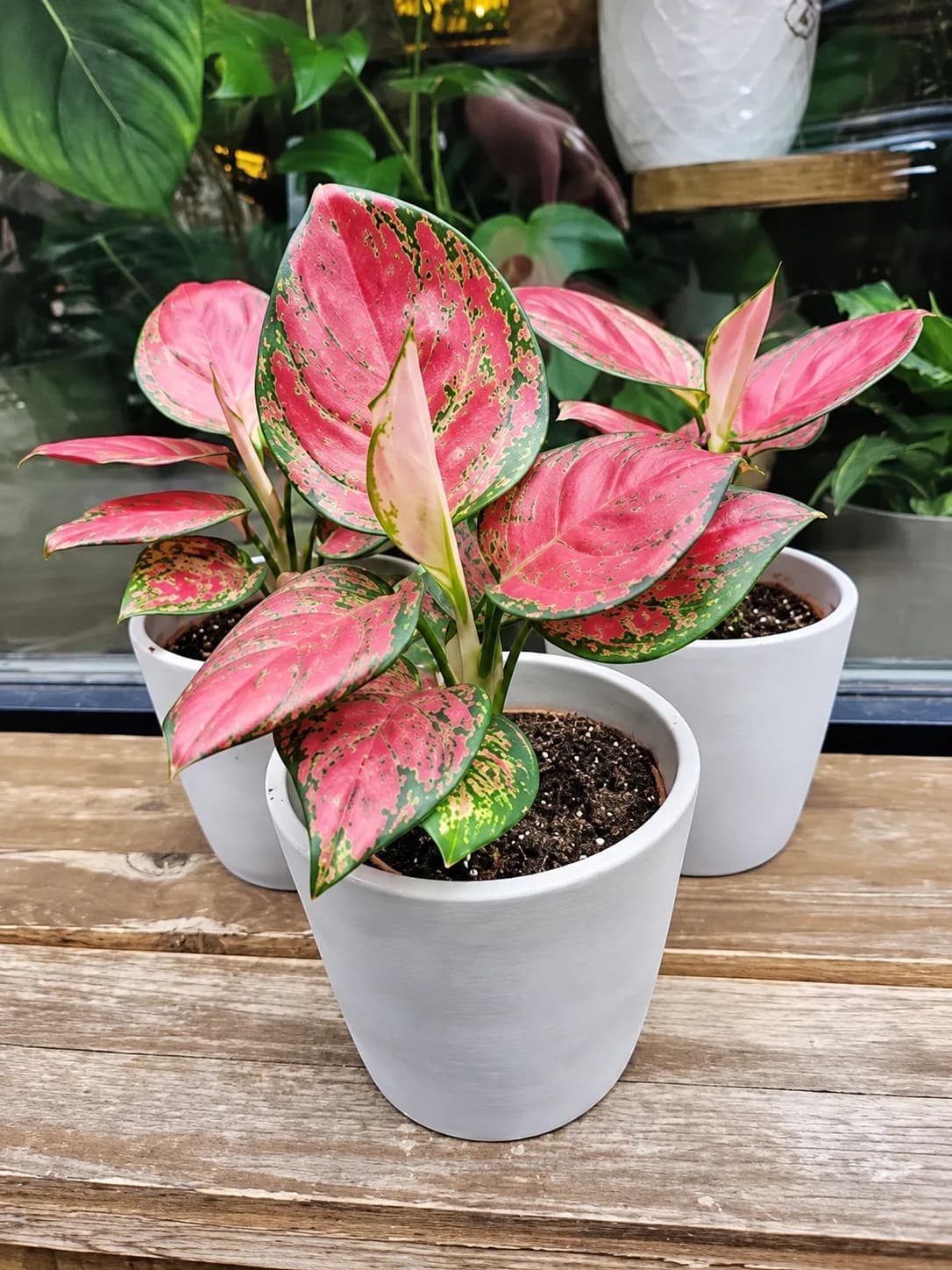
Continue learning
Read our Aglaonema Care Guide
Want more practical guidance on growing Aglaonema indoors? Read our detailed Aglaonema care article covering light requirements, watering schedules, soil mixes, humidity, temperature, colorful varieties, and pest prevention.
Popular varieties
Popular Aglaonema Varieties
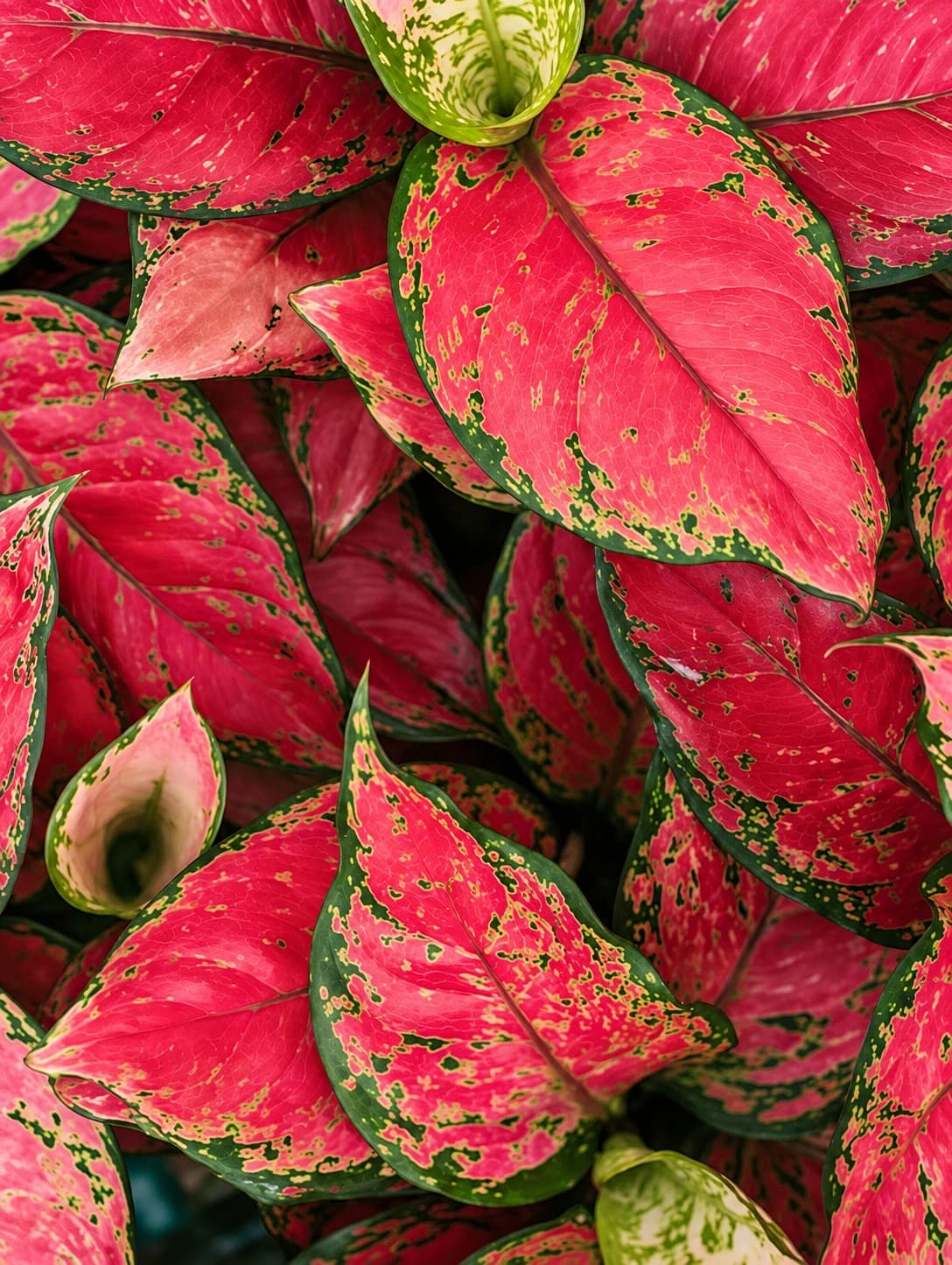
Aglaonema varieties come in a stunning spectrum of leaf colors and patterns, ranging from classic silver-dusted greens to intense pinks and fiery reds.
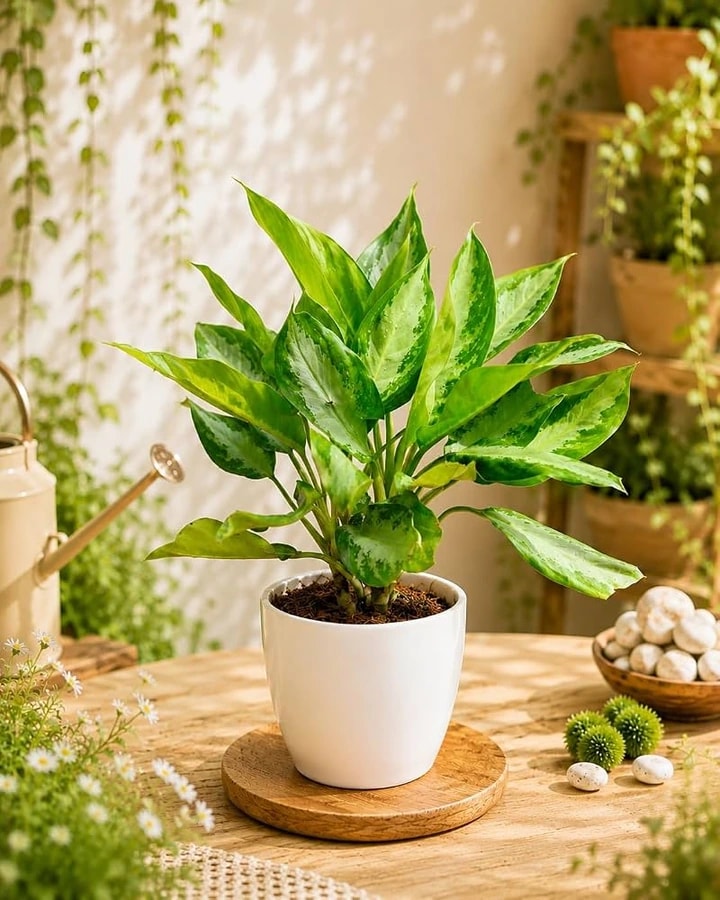
Silver Queen
A classic favorite featuring lance-shaped silvery-green foliage with rich dark green leaf margins and central splashes.
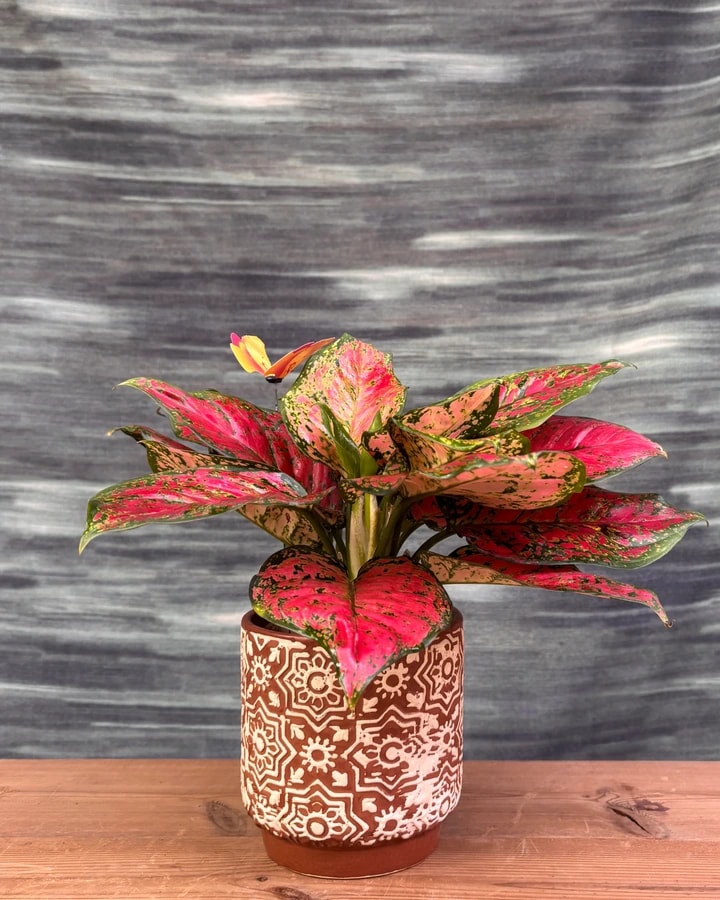
Red Aglaonema (Siam Aurora)
Striking foliage edged and veined in vibrant shades of red and hot pink against deep emerald green centers.
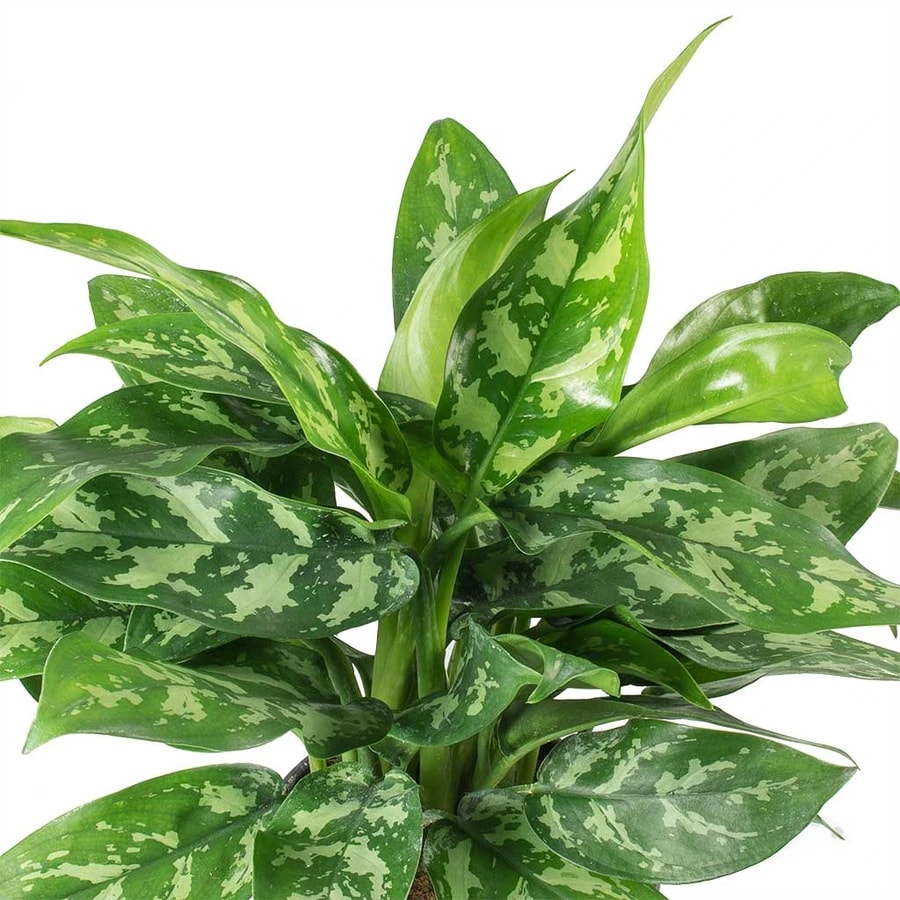
Aglaonema Maria (Emerald Beauty)
Features dense, broad dark green leaves chevron-patterned with lighter silvery gray markings; exceptionally hardy in low light.
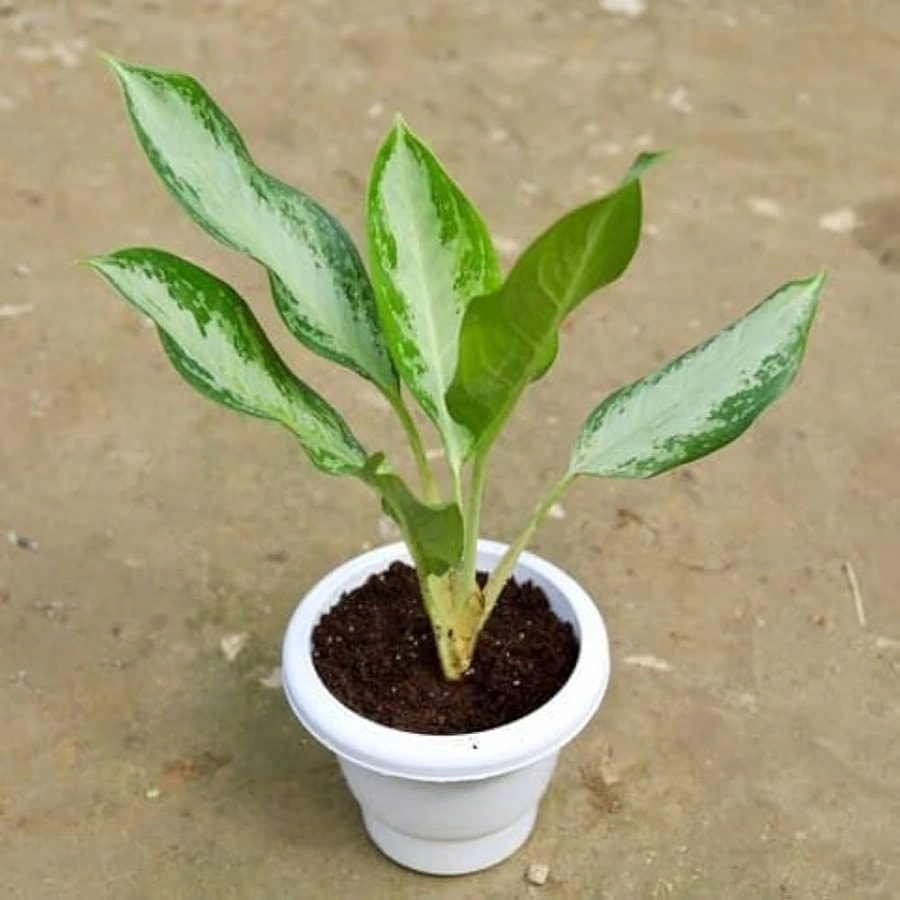
Emerald Bay
Combines soothing silvery-gray leaf centers with dark green borders, offering high resistance to low humidity.
Why choose Aglaonema?
Aglaonema Plant Benefits
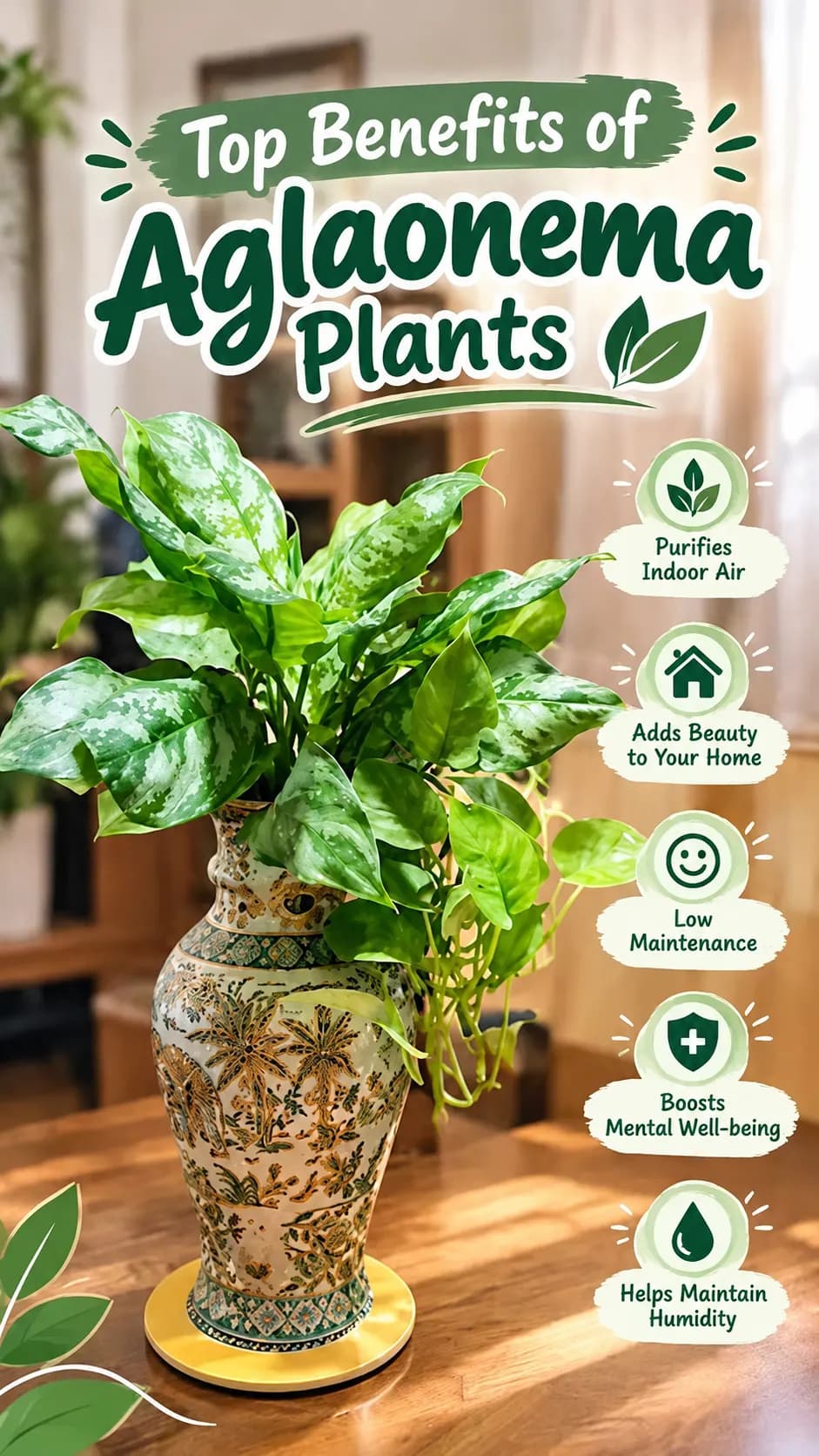
- • Vibrant multicolored foliage in silver, red, pink, and green.
- • High tolerance for low-light corners and fluorescent lighting.
- • Natural air-purifying qualities that filter indoor air.
- • Low-maintenance watering routine suitable for busy schedules.
- • Compact growth habit ideal for desks, shelves, and tabletops.
- • Long-lived perennial plant that remains attractive year-round.
Indoor placement
Where to Keep an Aglaonema Plant
Choose a location based on light, temperature, available space, drainage, and easy access for watering.
Living Room Accent
Place on coffee tables, sideboards, or plant stands in bright indirect light to add lush tropical foliage and rich color contrast to living areas.
Office Desks & Workspaces
Performs exceptionally well under fluorescent or LED office lighting, making it a dependable desk companion for professional work environments.
Bedroom Sanctuaries
A calm, non-demanding houseplant that purifies indoor air and thrives on dressers or nightstands with filtered ambient window light.
Low-Light Corners & Shelves
Darker green varieties like Maria and Silver Queen easily handle low light on bookshelves, entrance consoles, and interior corridors.
Propagation
How to Propagate Aglaonema
Aglaonema can be propagated easily using stem cuttings or root division during spring or summer.
Propagation by Stem Cuttings
Select a healthy stem with several leaves. Cut just below a node using a clean, sharp knife. Place the cutting in a jar of water or directly into moist potting mix. Roots typically develop within 3–4 weeks in warm indirect light.
Propagation by Root Division
During spring repotting, gently remove a mature multi-stem plant from its container. Tease apart separate root clumps containing healthy stems and roots, and pot each division into fresh potting soil.
Troubleshooting
Common Aglaonema Problems
Changes in leaves and growth provide early clues about light, watering, drainage, or pest issues.
Yellowing Aglaonema Leaves
Overwatering and poor drainage are the primary causes. Allow soil to dry out between waterings and ensure drainage holes are completely unblocked.
Brown Crispy Leaf Tips
Caused by dry indoor air, direct hot sun, or mineral buildup from tap water. Increase humidity and use filtered or rested room-temperature water.
Drooping or Soft Stems
Drooping stems paired with soggy soil point to root rot. If the soil is bone dry, it simply indicates the plant needs an immediate deep soak.
Faded Leaf Colors or Leggy Growth
Insufficient light causes colorful and variegated varieties to lose their vivid red, pink, or silver tones and grow elongated stems.
Curling Leaves
Can occur in response to cold drafts, sudden temperature drops below 15°C, or underwatering. Relocate to a warmer, draft-free spot.
Common Pests (Mealybugs & Spider Mites)
Inspect leaf undersides and stem joints regularly. Wipe leaves with neem oil solution or mild insecticidal soap if pests are spotted.
For Indian homes
Aglaonema Care in India
Aglaonema thrives in India's warm subtropical climate, but seasonal humidity and light shifts require mindful care adjustments.
During hot summer months, keep plants shielded from scorching afternoon balcony sun and hot window panes. Ensure regular watering when the topsoil dries out, and increase ventilation in humid monsoons.
In winter across North India, move plants away from drafty windows and reduce watering significantly as cooler temperatures slow plant metabolism.
Quick checklist
Simple Aglaonema Care Checklist
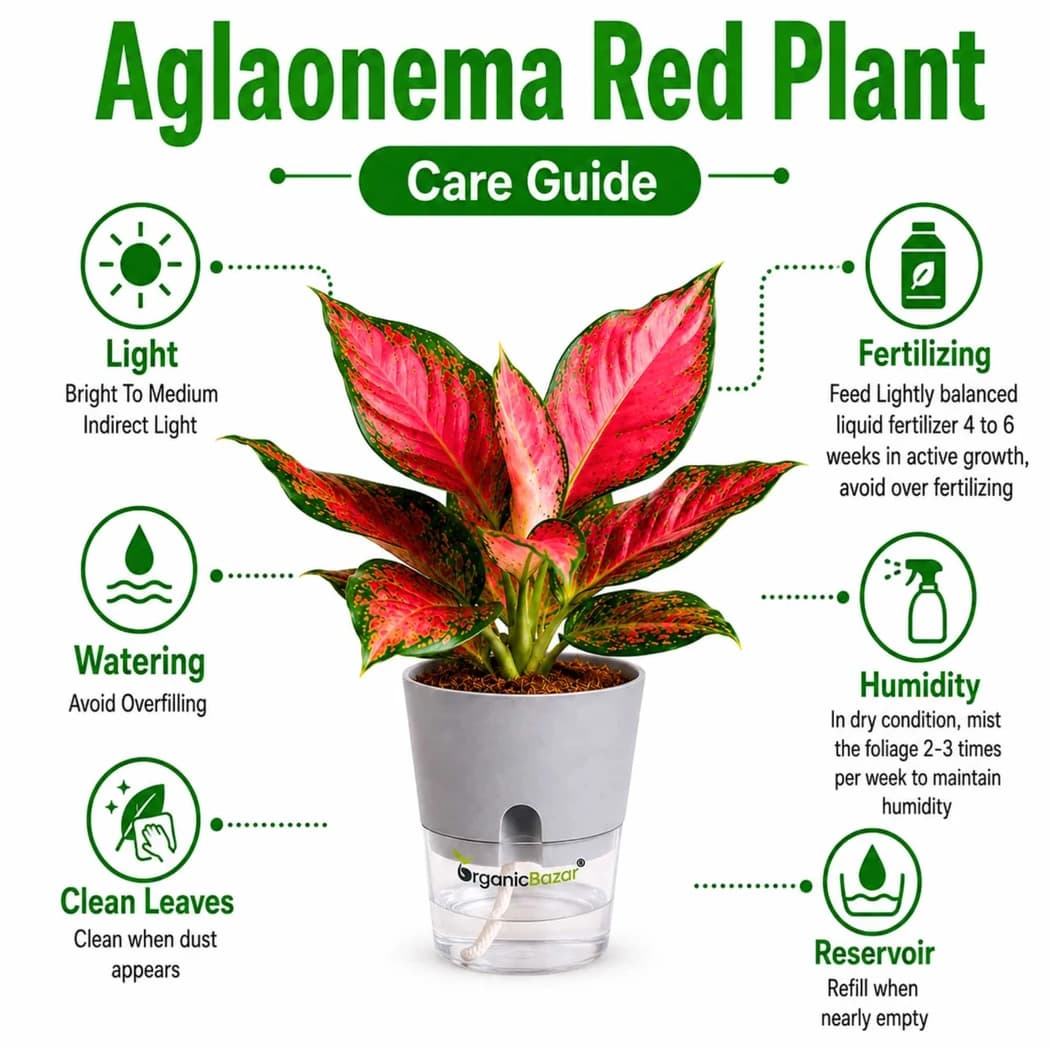
- • Provide medium to bright indirect light; avoid harsh sun.
- • Water only when the top 1–2 inches of soil feel dry.
- • Use well-aerated potting mix in a pot with drainage holes.
- • Maintain warm room temperatures between 18°C and 28°C.
- • Wipe leaves monthly to remove dust and deter pests.
- • Feed with diluted liquid fertilizer during spring and summer.
- • Protect from cold air conditioning drafts and sudden temperature drops.
- • Repot every 2–3 years when the plant outgrows its container.
Plant care principle
Observe the plant, not just the calendar
Aglaonema care requirements change with light, temperature, humidity, pot size, and seasons. Checking soil moisture and leaf health before watering is far more effective than following a rigid calendar schedule.
Related reading
More Indoor Plant Guides
Explore related Blooming Den guides for choosing and caring for indoor plants.
Money Plant
Money Plant Care Guide
Learn practical money plant care, varieties, watering, propagation, and indoor placement.
Read guide →Snake Plant
Snake Plant Care Guide
Explore snake plant care, low-light tolerance, propagation, common problems, and indoor placement.
Read guide →ZZ Plant
ZZ Plant Care Guide
Master ZZ plant care, low-light resilience, watering tips, propagation, and styling.
Read guide →Peace Lily
Peace Lily Care Guide
Discover peace lily watering, light needs, blooming tips, propagation, and care in India.
Read guide →Low-Light Plants
Low-Light Indoor Plants
Discover indoor plants that can thrive in lower-light living rooms and offices.
Read guide →Office Plants
Office Plants Guide
Explore hardy houseplants perfect for office desks, conference rooms, and reception areas.
Read guide →Frequently asked questions
Aglaonema FAQs
Answers to common questions about Aglaonema care, watering, light, propagation, placement, varieties, planters, and common problems.
What is an Aglaonema plant?
Aglaonema, commonly called Chinese evergreen, is a popular tropical foliage houseplant known for its attractive patterned leaves, air-purifying qualities, and exceptional tolerance for lower-light indoor conditions.
How do I care for an Aglaonema plant indoors?
Provide moderate to bright indirect light, use a well-draining potting mix, allow the top couple inches of soil to dry between waterings, and protect the plant from cold drafts or temperature extremes below 15°C.
How often should I water Aglaonema?
Water your Aglaonema only when the top 1–2 inches of soil feel dry to the touch. Water requirements vary with ambient light, temperature, pot size, and season, so always test soil moisture before watering.
Can Aglaonema grow in low light?
Yes. Darker green varieties such as Aglaonema Maria and Silver Queen thrive in low to medium indirect light. Colorful varieties with pink or red foliage prefer medium to bright filtered light to preserve their brilliant tones.
Why are my Aglaonema leaves turning yellow?
Yellow leaves are most commonly caused by overwatering, poor drainage, or cold drafts. Check the soil moisture and roots, ensure drainage holes are clear, and let the soil dry out before watering again.
How can I make Aglaonema grow fuller?
Ensure consistent bright indirect light, rotate the pot monthly for balanced growth, prune leggy older stems back to promote new shoots, and feed with a balanced liquid fertilizer during spring and summer.
Is Aglaonema safe for pets?
Aglaonema contains insoluble calcium oxalate crystals, which can cause mild oral irritation and digestive upset if chewed by dogs or cats. Place pots on elevated plant stands or shelves out of reach of curious pets.
How do you propagate Aglaonema?
Aglaonema is easily propagated through root division during spring repotting or by taking stem cuttings with at least 2–3 nodes and rooting them in water or moist potting mix.
Blooming Den
Create a healthier indoor plant space
Explore Aglaonema and other indoor plants for your home or workspace, along with practical plant care support.