
Indoor Plants / Plant Guide
Snake Plant: Complete Care Guide, Benefits & Varieties
Learn how to grow and care for snake plants with practical guidance on light, watering, soil, propagation, varieties, common problems, and indoor placement.
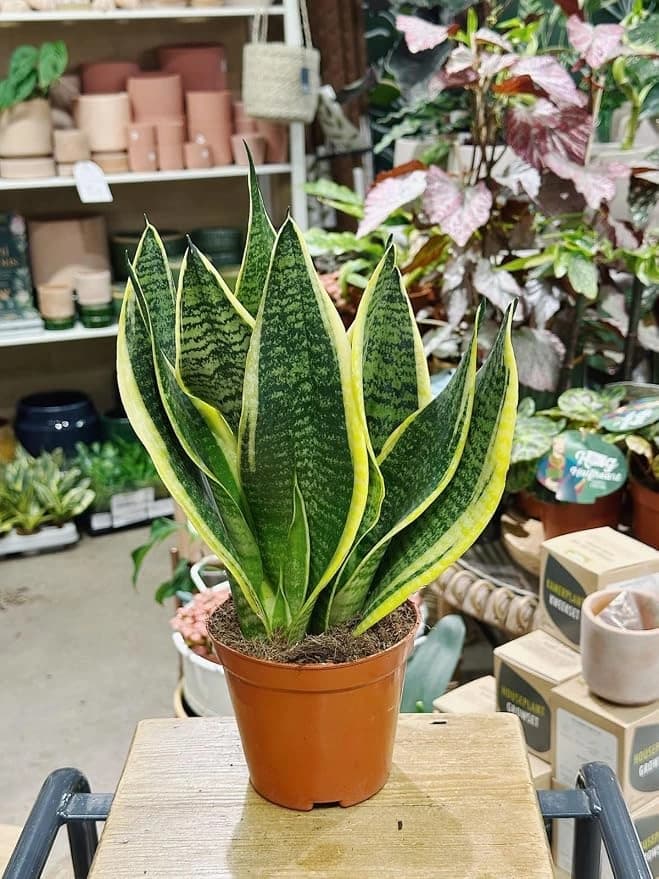
Snake Plant Guide
Everything you need to know about snake plants
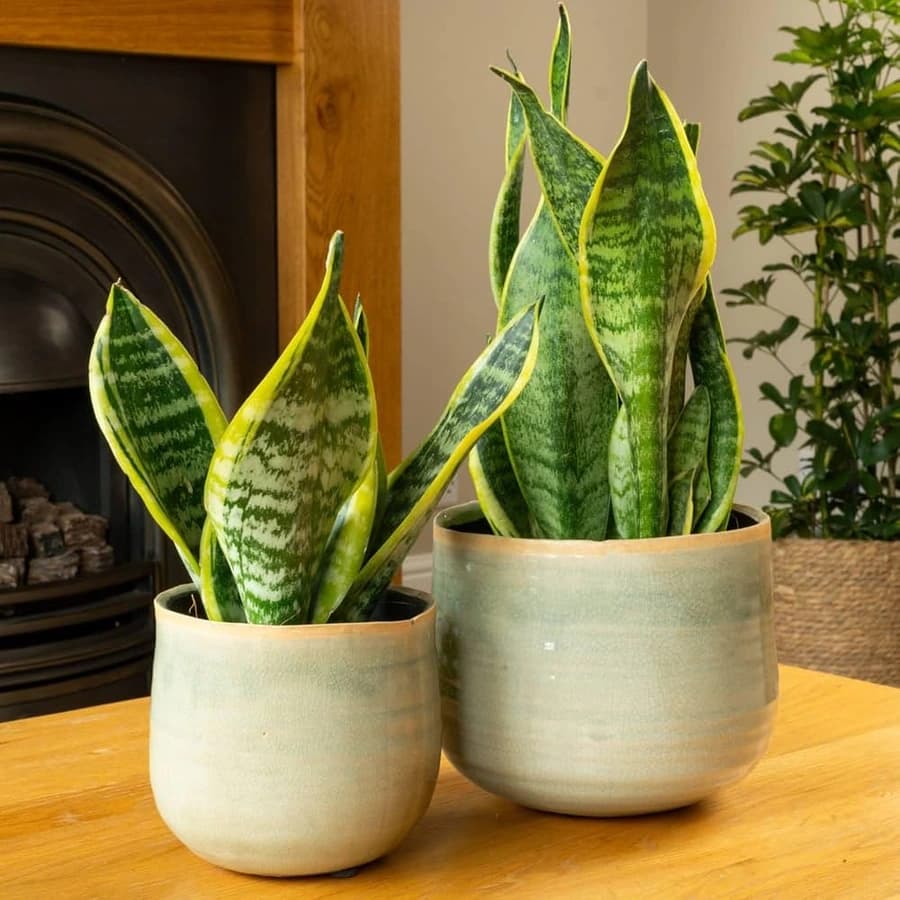
Snake plants are among the most popular indoor plants for homes, offices, bedrooms, entrances, and other indoor spaces. Their upright foliage gives them a distinctive architectural look, while their relatively low-maintenance nature makes them practical for many plant owners.
Snake plants are particularly useful for people looking for low-maintenance indoor plants or plants that can tolerate lower-light indoor conditions.
They can also work well in office spaces and bedrooms when the available light, temperature, space, and watering routine are suitable.
Quick facts
Snake Plant at a Glance
Use these basic characteristics as a starting point when choosing and caring for a snake plant.
Common name
Snake Plant
Botanical name
Dracaena trifasciata
Also known as
Sansevieria
Light
Bright indirect to lower light
Watering
Allow soil to dry between watering
Maintenance
Low
Growth
Slow to moderate
Propagation
Division and leaf cuttings
About the plant
What Is a Snake Plant?
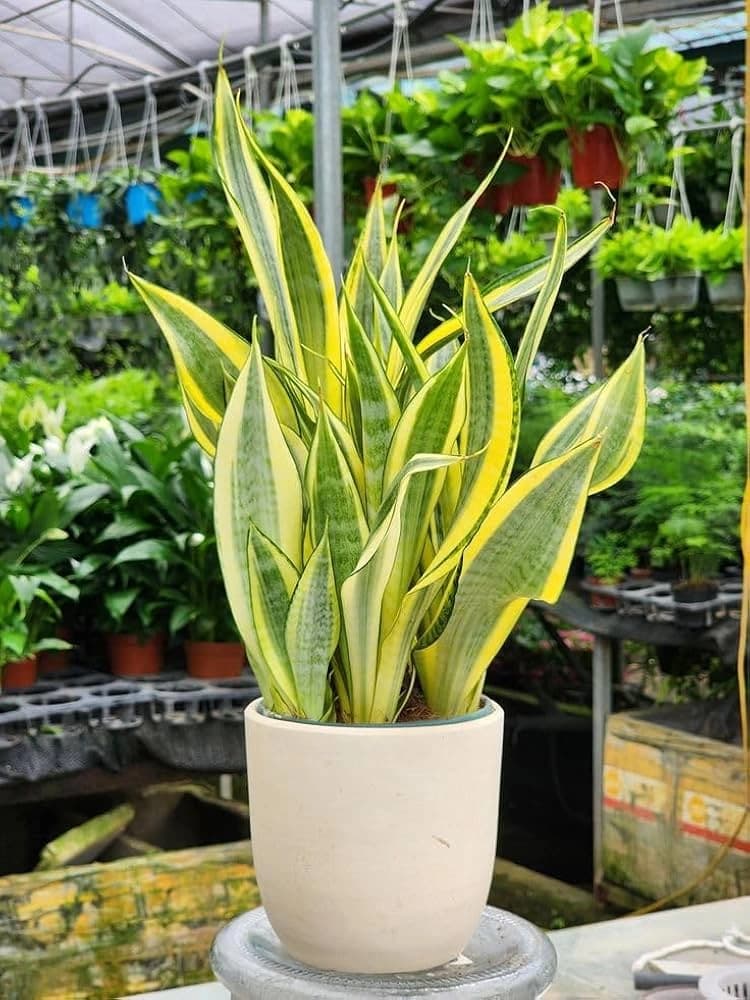
The snake plant is a foliage plant with upright leaves that naturally create a strong vertical shape. It is widely used as a decorative indoor plant because many varieties remain relatively compact while adding substantial visual greenery.
The name Sansevieria remains extremely common in gardening stores and plant communities, even though the plant is now classified under the genus Dracaena.
Its ability to tolerate periods of dry soil makes it suitable for plant owners who prefer a less frequent watering routine.
Care guide
How to Care for a Snake Plant
Good snake plant care starts with suitable light, controlled watering, well-draining soil, and a container with drainage.
Snake Plant Light Requirements
Snake plants can adapt to different indoor light conditions. Bright indirect light is generally useful for healthy growth, while many plants can tolerate lower-light locations.
If you are specifically looking for plants for darker indoor areas, see our low-light indoor plants guide.
Snake Plant Watering
Water according to the condition of the soil rather than following a rigid calendar. Allow the growing medium to dry substantially before watering again.
Frequent watering while the soil remains wet can create unfavorable conditions for the roots. Always consider your room temperature, light, season, pot size, and soil before watering.
For broader guidance, explore our indoor plant collection and compare care requirements between different houseplants.
Best Soil for Snake Plants
Use a well-draining growing medium that does not remain wet for prolonged periods. An indoor potting mix designed for good drainage can be suitable.
Temperature
Snake plants generally perform well in comfortable indoor temperatures. Protect them from prolonged cold conditions and sudden temperature extremes.
Humidity
Snake plants can generally tolerate normal household humidity and usually do not require the consistently high humidity preferred by some tropical houseplants.
Fertilizer
Snake plants are relatively slow-growing and usually do not require heavy feeding. Use a suitable balanced houseplant fertilizer during active growth according to the product instructions.
Repotting
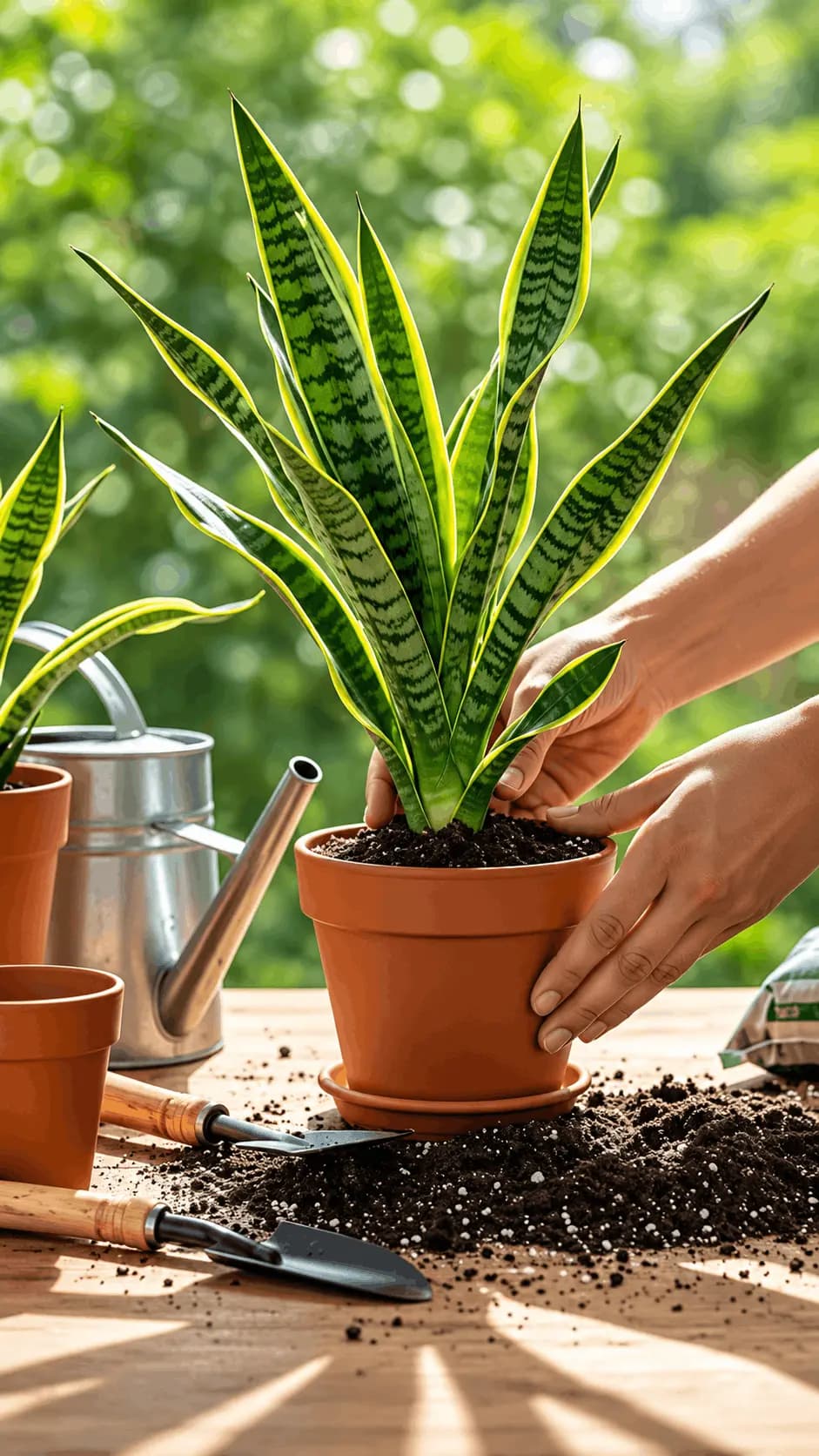
Repot when the plant becomes significantly root-bound, the pot becomes unstable, the growing medium deteriorates, or the plant outgrows its container.
Pruning & Leaf Cleaning
Remove damaged or unhealthy leaves with clean tools. Wiping dust from foliage also helps keep the plant looking attractive and makes it easier to notice pests or leaf problems.
Choose the right space
Snake Plant for Different Indoor Spaces
Snake plants can suit several indoor environments when their light and care requirements are matched to the space.
Office Plants
Explore plants suitable for desks, cabins, reception areas, and workspaces.
Explore office plants →Bedroom Plants
Find indoor plants that can work well in bedrooms with suitable light and available space.
Explore bedroom plants →Low-Light Plants
Explore indoor plants that can tolerate lower-light environments.
Explore low-light plants →Low-Maintenance Plants
Discover easy-care indoor plants for busy homes and workspaces.
Explore easy-care plants →
Continue learning
Read our Snake Plant Care Guide
Want more practical guidance on growing snake plants indoors? Read our detailed Snake Plant care article covering light, watering, humidity, temperature, varieties, and common care mistakes.
Read Snake Plant Care Guide →
Popular varieties
Snake Plant Varieties
Snake plants are available in different forms with variations in leaf shape, colour, pattern, and growth habit.
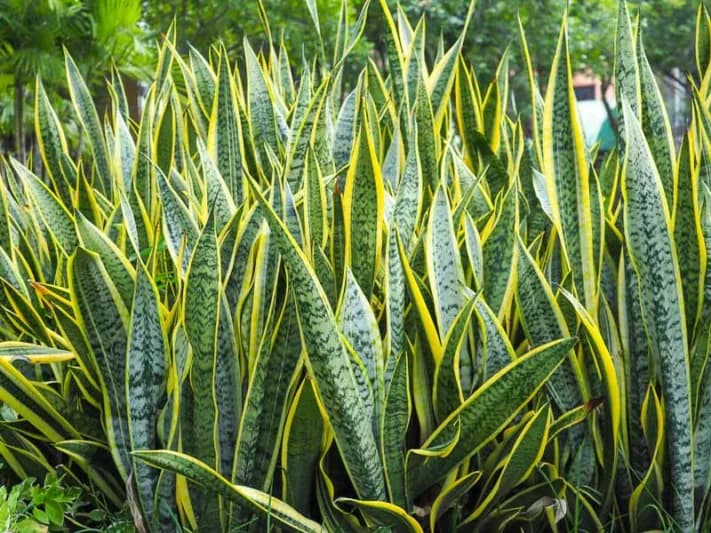
Laurentii
Known for upright green leaves with contrasting yellow variegated margins.
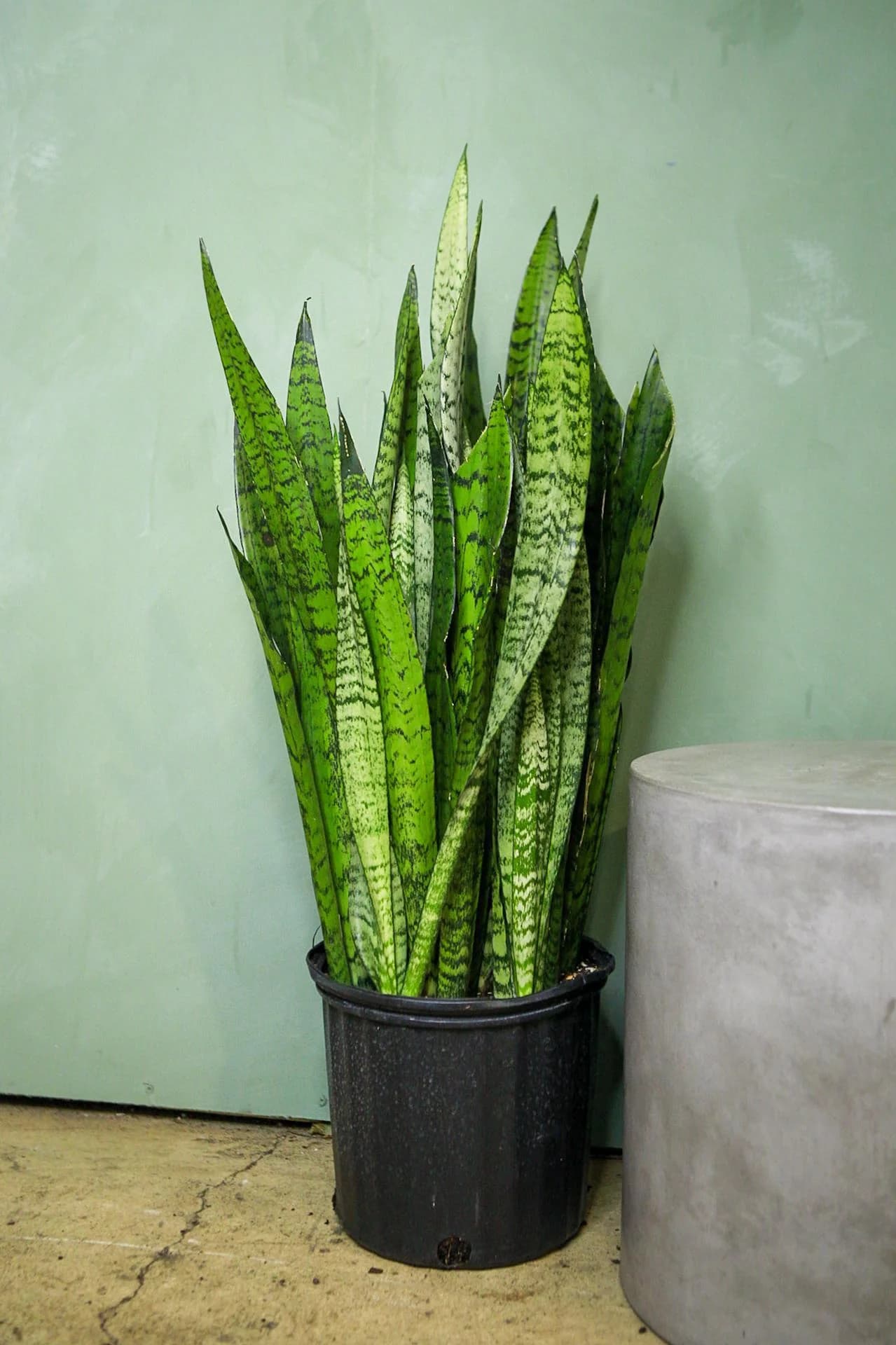
Zeylanica
A classic form with upright green foliage and darker patterned markings.
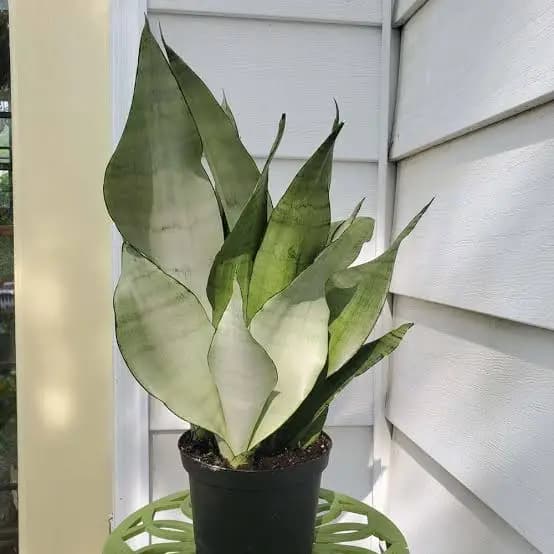
Moonshine
Recognised for its pale, silvery-green foliage and clean architectural appearance.
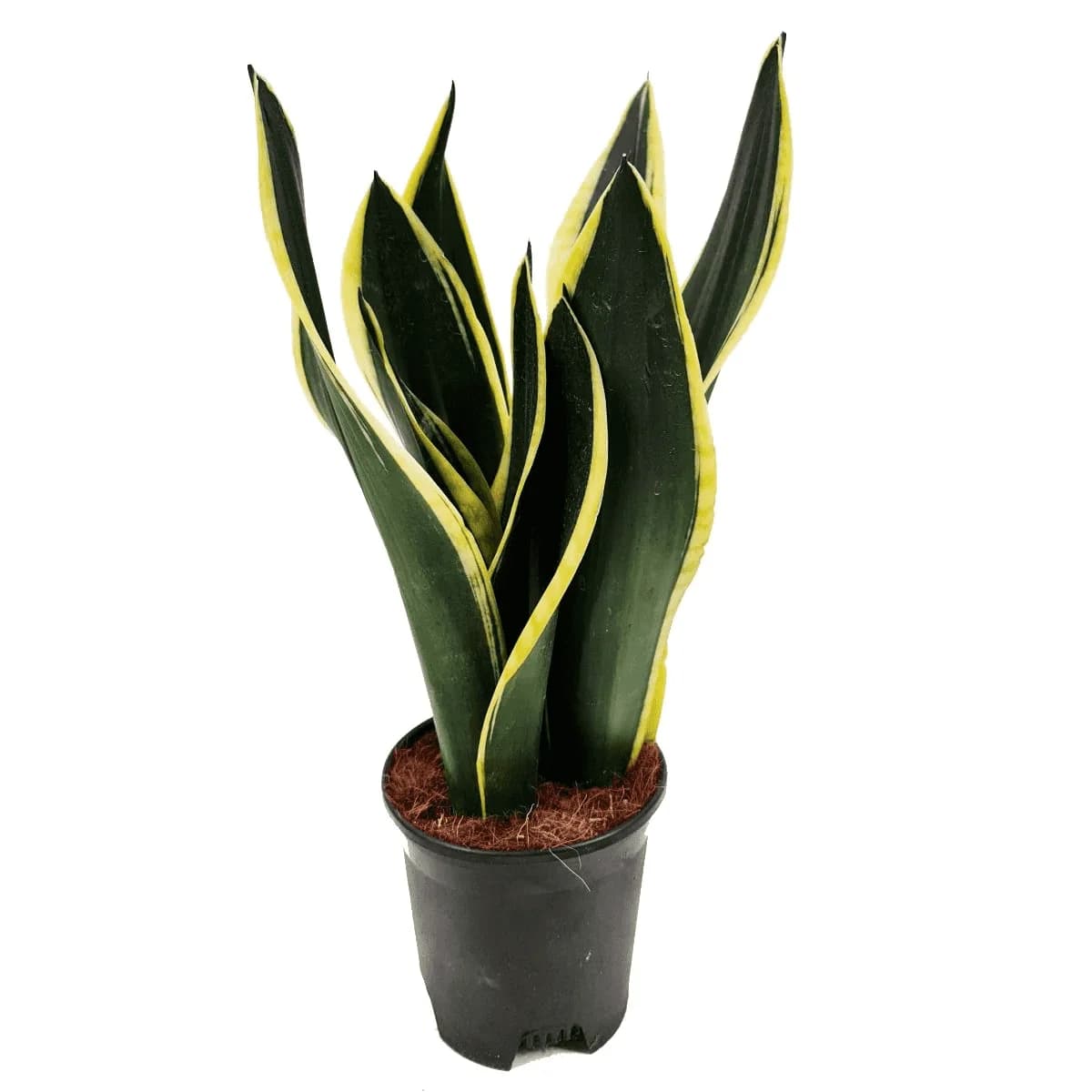
Black Gold
A striking form with dark green foliage and contrasting lighter margins.
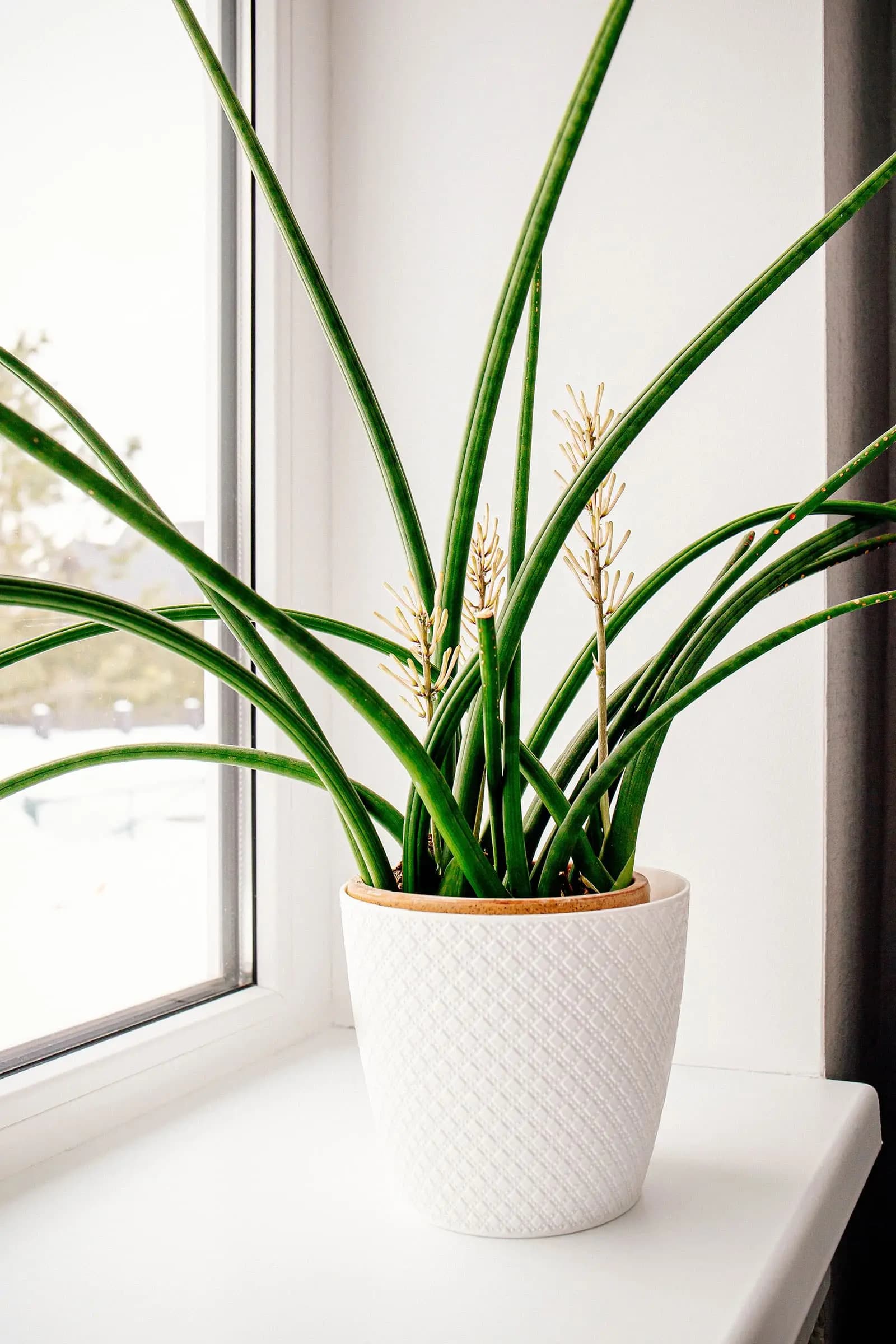
Cylindrica
Features cylindrical upright leaves and a distinctive structural appearance.
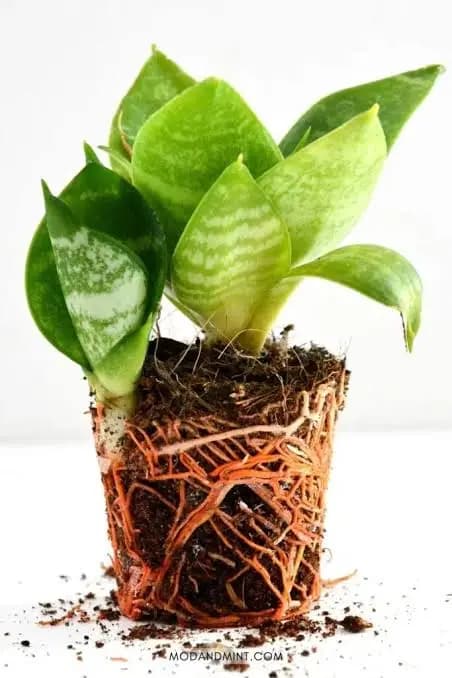
Bird's Nest
A compact growth form that can suit smaller indoor spaces and tabletops.
Why choose a snake plant?
Snake Plant Benefits
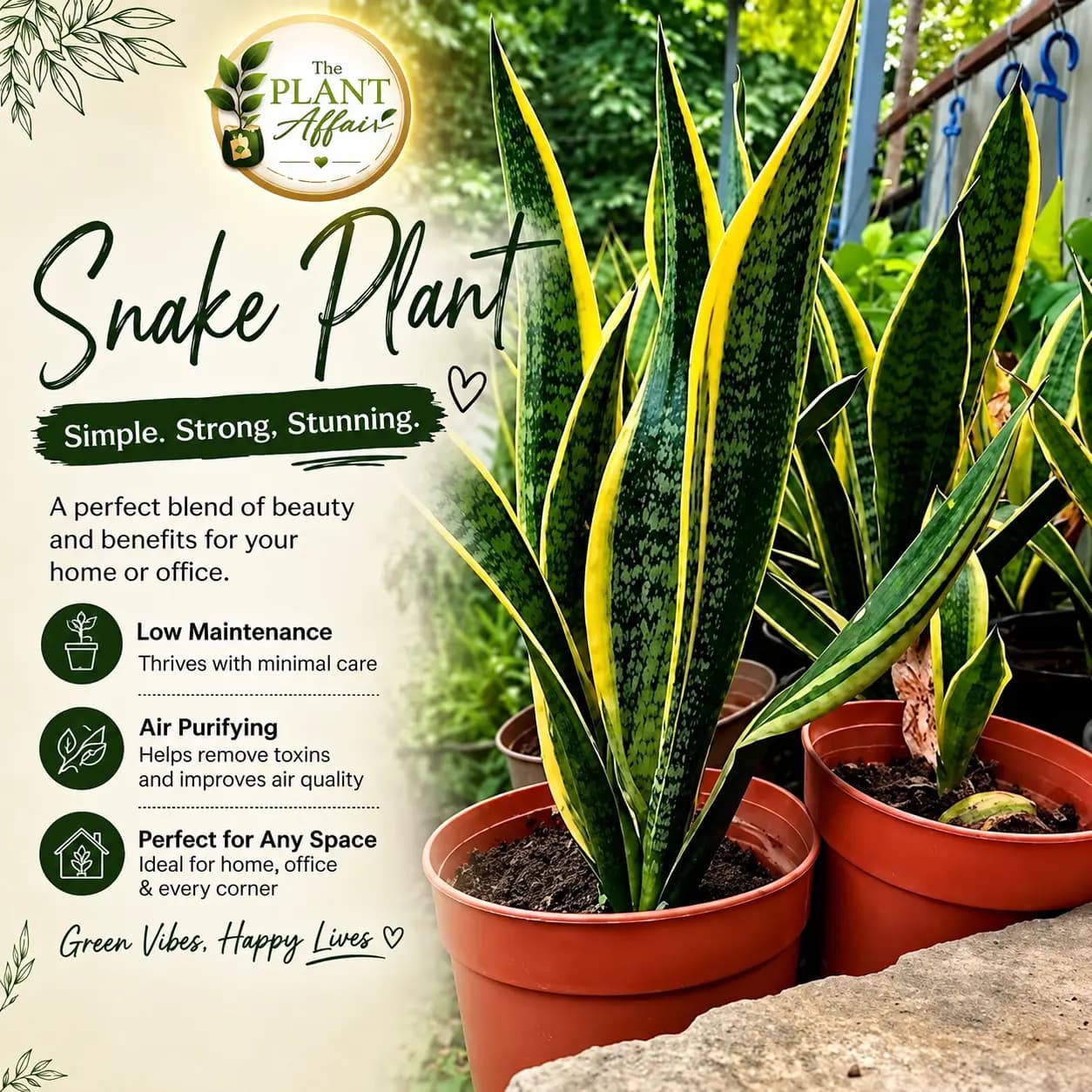
Snake plants combine an architectural appearance with relatively simple care requirements, making them popular choices for many indoor spaces. If you are comparing plants for their foliage and indoor environment, you can also explore our air-purifying indoor plants collection.
- • Relatively low maintenance.
- • Suitable for many indoor environments.
- • Upright growth can save floor space.
- • Available in many attractive varieties.
- • Can tolerate periods of dry soil.
Indoor placement
Where to Keep a Snake Plant
Choose a location based on light, temperature, available space, and how easy it is to maintain the plant.
Living Room
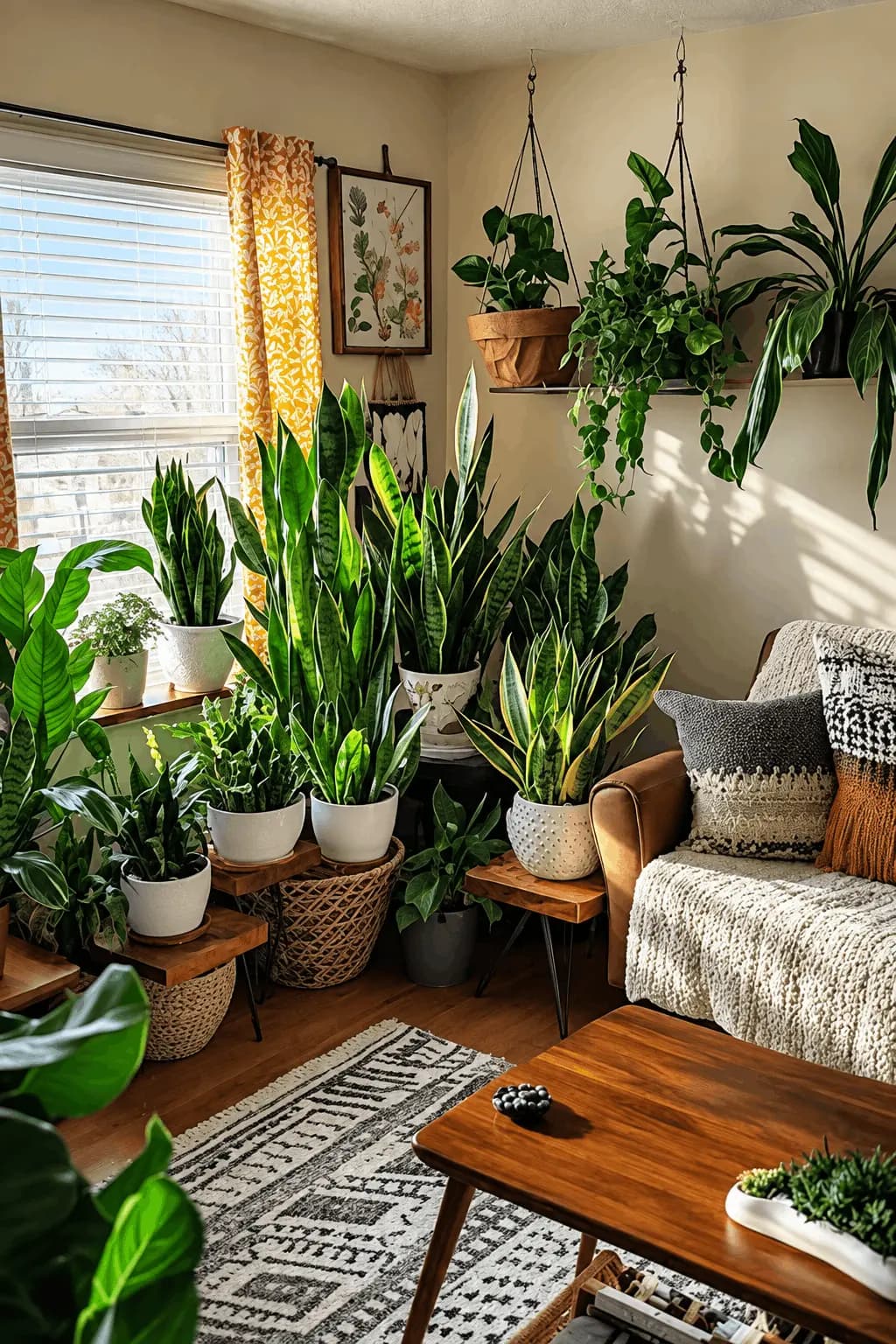
Upright snake plants can add vertical greenery to suitable corners, shelves, or floor-level planting areas.
Bedroom
Snake plants can be used as decorative bedroom plants when available light and temperature are appropriate.
Office
Their upright form and relatively low-maintenance nature can make them useful for suitable offices and workspaces.
Small Spaces
Narrow-growing varieties can work well where floor area is limited, provided the plant receives suitable conditions.
Propagation
How to Propagate a Snake Plant
Snake plants can be propagated using more than one method. Choose the approach that suits the plant's growth form.
Propagation by Division
Division is useful when a mature snake plant has multiple shoots or offsets. Separate suitable sections with healthy roots and plant them into a well-draining growing medium.
Propagation by Leaf Cuttings
Healthy leaves can be divided into sections and used for propagation. Allow appropriate cut surfaces to dry before planting and avoid keeping the propagation medium excessively wet.
Troubleshooting
Common Snake Plant Problems
Changes in leaves can provide clues that the plant's light, watering, drainage, roots, or environment needs attention.
Yellow Snake Plant Leaves
Yellowing leaves can be associated with excessive moisture, root problems, ageing foliage, or other environmental stresses.
Brown Snake Plant Leaves
Brown or dry leaf areas can have multiple causes, including watering problems, environmental stress, physical damage, or excessive direct sunlight.
Drooping Leaves
Drooping can occur when roots are stressed, watering is inappropriate, or the plant is experiencing environmental problems.
Snake Plant Root Rot
Persistently wet soil and poor drainage can create conditions that contribute to root deterioration.
Snake Plant Not Growing
Slow growth is not necessarily a problem because snake plants can naturally grow slowly. Light, temperature, season, nutrition, and pot conditions can influence new growth.
Soft or Mushy Leaves
Soft, collapsing, or mushy foliage can indicate serious moisture or root problems. Check the growing medium, drainage, and root condition.
For Indian homes
Snake Plant Care in India
Indoor conditions in India can vary significantly between cities, seasons, room orientations, and building types. Avoid following a fixed watering schedule simply because it worked in another home.
During warmer periods, check the growing medium regularly, but do not automatically increase watering if the soil is still damp. During cooler or lower-light periods, the plant may use water more slowly.
Good drainage, appropriate light, airflow, and careful observation are more reliable than watering according to a calendar.
Quick checklist
Simple Snake Plant Care Checklist
- • Check the soil before watering.
- • Use a pot with drainage holes.
- • Provide suitable indirect light.
- • Avoid keeping the soil constantly wet.
- • Inspect leaves for pests and damage.
- • Repot when the plant genuinely needs more space.
Plant care principle
Observe the plant, not just the calendar
Watering and care requirements can change with light, temperature, season, pot size, soil, and indoor conditions. A consistent observation-based routine is more useful than treating every snake plant exactly the same way.
Related reading
More Indoor Plant Guides
Explore related Blooming Den guides for choosing and caring for indoor plants.
Snake Plant
Snake Plant Care Guide
Learn practical snake plant care for indoor homes and workspaces.
Read guide →Office Plants
Best Plants for Office in India
Compare Snake Plant with other plants suitable for desks, offices, and workspaces.
Read guide →Bedroom Plants
Best Plants for Bedroom in India
See how Snake Plant compares with other popular bedroom plants.
Read guide →Indoor Plants
Indoor Plants That Purify Air Naturally
Explore Snake Plant and other popular indoor plants for greener interiors.
Read guide →Indoor Gardening
Benefits of Indoor Plants
Learn more about choosing indoor plants for different spaces and lifestyles.
Read guide →Plant Selection
Choosing the Right Plants in India
Compare plants according to light, maintenance, room type, and growing conditions.
Read guide →Frequently asked questions
Snake Plant FAQs
Answers to common questions about snake plant care, watering, placement, propagation, and problems.
How often should you water a snake plant?
Snake plants should generally be watered after the soil has dried substantially. The exact frequency depends on light, temperature, pot size, soil, season, and indoor conditions. Avoid keeping the soil constantly wet because excessive moisture can contribute to root problems.
Can snake plants grow in low light?
Snake plants can tolerate lower-light indoor conditions, although growth is generally better when they receive suitable indirect light. Avoid placing them in extremely dark locations for long periods.
Are snake plants easy to care for?
Yes. Snake plants are generally considered low-maintenance indoor plants because they tolerate periods of dry soil and adapt to a range of indoor conditions. Proper watering and suitable light are still important for healthy growth.
Where should I place a snake plant?
A snake plant can be placed near a bright indirect-light window, in a suitable office, bedroom, living room, entrance, or another appropriate indoor location.
Why are my snake plant leaves turning yellow?
Yellow leaves can have several causes, but excessive watering and poor drainage are common concerns. Check the soil moisture, drainage, potting mix, light conditions, and roots before changing your watering routine.
How do you propagate a snake plant?
Snake plants can be propagated through leaf cuttings or division, depending on the variety and plant structure. Division is particularly useful for plants that have developed multiple shoots or offsets.
How often should a snake plant be repotted?
Snake plants usually do not need frequent repotting. Consider repotting when the plant becomes root-bound, the pot is unstable, the soil has deteriorated, or the plant has outgrown its container.
Is Dracaena trifasciata the botanical name of the snake plant?
Dracaena trifasciata is the currently accepted botanical name for the plant commonly known as snake plant. Sansevieria is also widely used because of the plant's former classification.
Blooming Den
Create a healthier indoor plant space
Explore indoor plants and practical plant care support for your home or workspace.