Best House Plants for Every Home: Complete Indoor Plant Guide 2026
GARDENING MADE EASY: DISCOVER THE BEST INDOOR PLANTS TO BRIGHTEN YOUR HOME, IMPROVE AIR QUALITY, AND CREATE A HEALTHIER LIVING SPACE
Posted: April 30, 2026 | Indoor Plants
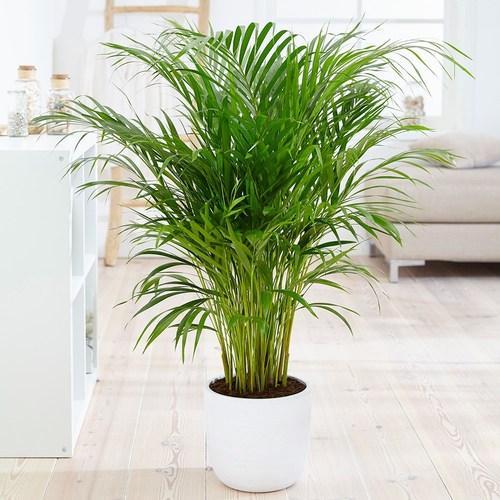
Indoor plants are one of the easiest ways to add beauty, freshness, and natural greenery to your home. Whether you live in an apartment, villa, or studio, the right house plants can transform any indoor space into a calm and welcoming environment. Besides enhancing home décor, many indoor plants also help create a healthier atmosphere by improving humidity and promoting a stronger connection with nature.
From low-maintenance Snake Plants and Spider Plants to elegant Monsteras, Rubber Plants, and flowering varieties, there is a perfect house plant for every lifestyle. Choosing plants that match your home's lighting conditions and your daily routine is the key to long-term success.
At Blooming Den, we've helped thousands of urban gardeners across India choose healthy indoor plants and keep them thriving. This guide covers everything you need to know—from selecting the right house plants to proper watering, lighting, maintenance, and the best indoor plants for Indian homes.
IN THIS ARTICLE
- Best House Plants for Every Home
- Choosing the Right Indoor Plants
- Light Requirements
- Watering Tips
- Humidity & Temperature
- Soil & Potting
- Fertilizing Schedule
- Most Popular Indoor Plants
- Common Problems & Solutions
- Advanced Tips for Indian Homes
- When to Call a Professional Gardener
- Quick Care Cheat Sheet
- Frequently Asked Questions
Best House Plants for Every Home
The best indoor plants are those that suit your available light, lifestyle, and maintenance preferences. Some plants thrive in bright sunny windows, while others perform exceptionally well in low-light corners or air-conditioned offices. By selecting the right plants for your environment, you'll enjoy healthier growth and fewer maintenance issues.
- Low-Maintenance Plants: Snake Plant, Spider Plant, ZZ Plant, and Cast Iron Plant are excellent choices for beginners.
- Statement Plants: Monstera, Rubber Plant, Fiddle Leaf Fig, and Areca Palm create a bold focal point in living rooms and offices.
- Flowering Indoor Plants: Peace Lily, Hoya, Streptocarpus, and Anthurium bring long-lasting blooms indoors.
- Compact Plants: Chinese Money Plant, String of Hearts, Succulents, and Air Plants fit perfectly on desks, shelves, and apartments.
Choosing the Right Indoor Plants
Before purchasing a house plant, evaluate the amount of natural light your home receives, how often you're available for watering, and whether you have pets or children. Matching the plant to your environment greatly increases the chances of long-term success.
- Choose low-light plants for shaded rooms and offices.
- Place flowering plants near bright windows for better blooms.
- Grow succulents and cacti in sunny locations.
- Select beginner-friendly plants if you're new to gardening.
- Always purchase healthy plants from trusted nurseries.
Light Requirements
Most indoor plants prefer bright, indirect sunlight. Place them near east- or north-facing windows, or a few feet away from south-facing windows where filtered light is available. Plants such as Snake Plants, ZZ Plants, and Cast Iron Plants tolerate lower light levels, while Monstera, Rubber Plant, Fiddle Leaf Fig, and flowering plants grow best with brighter conditions.
Avoid prolonged exposure to harsh afternoon sunlight, especially during Indian summers, as excessive heat can scorch leaves. Rotate pots every few weeks to encourage balanced growth and maintain attractive foliage.
Watering Tips
Overwatering is the most common reason indoor plants fail. Water only when the top 1–2 inches of soil feels dry. Tropical plants generally prefer slightly moist soil, whereas succulents and cacti require the potting mix to dry almost completely before watering again.
Always use pots with drainage holes to prevent waterlogging and root rot. During summer, most indoor plants require more frequent watering, while winter usually demands less frequent irrigation as plant growth naturally slows.
Humidity & Temperature
Most indoor plants originate from tropical forests and appreciate moderate to high humidity. While many popular house plants adapt well to normal indoor conditions, increasing humidity encourages healthier foliage, stronger growth, and fewer brown leaf tips.
- Maintain indoor humidity between 40–60% for most foliage plants.
- Mist humidity-loving plants occasionally or place a tray of water with pebbles beneath the pot.
- Keep plants away from air conditioners, heaters, and hot air vents.
- Most indoor plants thrive between 18–30°C.
- Ensure good airflow to reduce fungal diseases while avoiding strong cold drafts.
Soil & Potting
A well-draining potting mix is essential for healthy indoor plants. An ideal mix combines potting soil or coco coir with compost and drainage materials such as perlite, pumice, or coarse sand. Good drainage prevents root rot while allowing roots to absorb adequate moisture and nutrients.
Repot your indoor plants every 1–2 years or whenever roots begin emerging through drainage holes. Choose a pot only slightly larger than the existing one to avoid excessive moisture retention.
Fertilizing Schedule
Indoor plants benefit from regular feeding during their active growing season. Apply a balanced liquid fertilizer every 3–4 weeks from spring through early autumn. Reduce fertilization during winter, when most plants naturally slow their growth.
- Use balanced liquid fertilizer at half strength.
- Feed actively growing plants once every month.
- Avoid fertilizing dry soil.
- Reduce feeding during winter.
Most Popular Indoor Plants for Indian Homes
Whether you're decorating a compact apartment or creating a lush indoor garden, these house plants remain some of the most popular choices because of their beauty, ease of care, and ability to thrive indoors.
Low-Maintenance Indoor Plants
- Snake Plant: Extremely hardy, drought tolerant, and ideal for beginners.
- Spider Plant: Fast-growing with attractive cascading foliage and easy propagation.
- Cast Iron Plant: Thrives even in low-light conditions with minimal maintenance.
- Chinese Money Plant: Compact, decorative, and produces offsets for propagation.
- Succulents & Cacti: Excellent choices for bright windows and busy lifestyles.
Large Statement Plants
- Monstera deliciosa: Famous for its dramatic split leaves.
- Rubber Plant: Elegant glossy foliage suitable for modern interiors.
- Fiddle Leaf Fig: A designer favourite that creates a bold visual impact.
- Areca Palm: Adds a tropical look to living rooms and offices.
Flowering Indoor Plants
- Hoya: Produces fragrant clusters of star-shaped flowers.
- Anthurium: Long-lasting colorful blooms throughout the year.
- Streptocarpus: Compact flowering plant ideal for bright windows.
- Peace Lily: Elegant white blooms combined with lush green foliage.
Decorative Foliage Plants
- Philodendron Xanadu: Dense tropical foliage with deeply lobed leaves.
- String of Hearts: Beautiful trailing vines for hanging baskets.
- Rabbit's Foot Fern: Soft textured foliage for humid spaces.
- Maidenhair Fern: Graceful delicate leaves perfect for bathrooms.
- Air Plants: Soil-free decorative plants for modern interiors.
Common Problems & Solutions
| Problem | Solution |
|---|---|
| Yellow Leaves | Usually caused by overwatering, poor drainage, or nutrient deficiency. Allow the soil to dry slightly and improve drainage. |
| Brown Leaf Tips | Often caused by low humidity, underwatering, or mineral buildup. Increase humidity and water consistently. |
| Drooping Leaves | Can result from both overwatering and underwatering. Check soil moisture before watering. |
| Slow Growth | Usually due to insufficient light or lack of fertilizer. Move the plant to brighter indirect light and feed during the growing season. |
| Pest Infestation | Spider mites, mealybugs, and aphids are common indoor pests. Clean leaves regularly and treat with neem oil or insecticidal soap. |
| Root Rot | Caused by excessive watering and poor drainage. Remove damaged roots and repot using fresh, well-draining soil. |
Having trouble keeping your indoor plants healthy? Book a Verified Gardener Today
Advanced Tips for Indian Homes
- Summer: Protect plants from harsh afternoon sunlight and increase watering frequency as temperatures rise.
- Monsoon: Reduce watering and improve air circulation to prevent fungal diseases and root rot.
- Winter: Most indoor plants grow slowly during winter. Water less frequently and stop heavy fertilization.
- Air-conditioned Rooms: Increase humidity by misting occasionally or placing plants on pebble trays.
- Plant Rotation: Rotate pots every few weeks to encourage balanced growth and prevent leaning.
Need personalized plant care advice? Chat with us on WhatsApp!
When to Call a Professional Gardener
If your indoor plants continue struggling despite proper care, or you're dealing with pest infestations, severe root rot, repotting, pruning, or plant selection, professional assistance can save both time and plants.
Our verified Blooming Den gardeners provide expert home visits for plant setup, maintenance, repotting, pest treatment, balcony gardening, and indoor plant care.
Build a healthier indoor garden with expert support whenever you need it.
Shop healthy indoor plants, premium gardening supplies, or Book a Gardener directly through Blooming Den.
Quick Care Cheat Sheet
| Aspect | Recommendation |
|---|---|
| Light | Bright indirect sunlight for most indoor plants |
| Water | Water when the top 1–2 inches of soil become dry |
| Humidity | 40–60% humidity is suitable for most tropical plants |
| Temperature | 18–30°C with good ventilation |
| Soil | Loose, nutrient-rich, well-draining potting mix |
| Fertilizer | Balanced liquid fertilizer every 3–4 weeks during growing season |
| Repotting | Every 1–2 years or when roots outgrow the container |
Frequently Asked Questions
Q1. Which indoor plant is best for beginners?
Q2. Which indoor plants grow well in low light?
Q3. How often should indoor plants be watered?
Q4. Which indoor plants help improve air quality?
Q5. Why are my indoor plant leaves turning yellow?
Q6. What is the best soil for indoor plants?
Q7. Do indoor plants need fertilizer?
Q8. Which indoor plants are suitable for offices?
Q9. How often should indoor plants be repotted?
Q10. Where can I buy healthy indoor plants in India?
Author Bio
Written by the Blooming Den Gardening Team – Verified plant experts helping urban India build greener homes since 2025. We provide healthy indoor plants, premium gardening products, expert plant care guidance, and professional gardener services to make indoor gardening simple and enjoyable.