
Best Garden Gloves: A Complete Guide for Home Gardeners
Garden gloves are one of the simplest and most useful tools for anyone who enjoys gardening. They protect your hands while planting, pruning, weeding, repotting, handling soil, and performing everyday garden maintenance. The right pair of gloves can also improve grip, comfort, and confidence while working with plants.
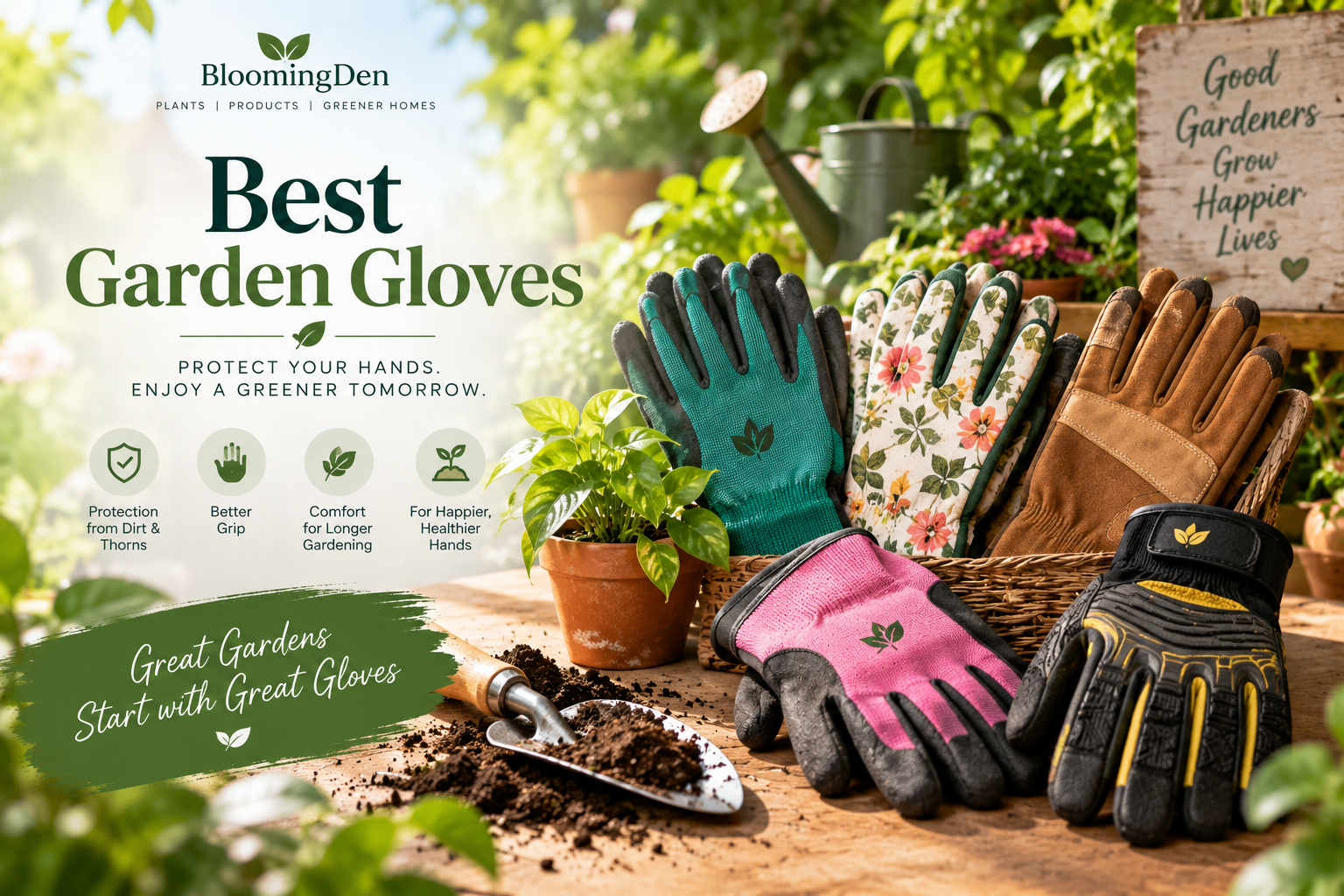
Why Are Garden Gloves Important?
Gardening involves regular contact with soil, moisture, plant stems, thorns, compost, fertilizers, and gardening tools. Although many gardening tasks are harmless, repeated exposure can make your hands dirty, dry, or uncomfortable. A good pair of garden gloves provides an extra layer of protection while allowing you to work efficiently.
Garden gloves are particularly useful for beginners because they make routine gardening tasks easier and more comfortable. However, different gardening jobs require different types of gloves, so choosing the right pair is important.
Key benefits of garden gloves
- Protect hands from dirt and soil.
- Improve grip while using gardening tools.
- Reduce direct contact with moisture and wet soil.
- Provide protection while handling rough stems and branches.
- Make planting, repotting, and weeding more comfortable.
- Help keep hands cleaner during regular garden maintenance.
Different Types of Garden Gloves
Garden gloves are available in several materials and designs. Some are designed for light planting, while others provide better protection for pruning, thorny plants, or wet gardening conditions.
| Glove Type | Best For | Main Advantage |
|---|---|---|
| Cotton/Fabric | Light gardening | Lightweight and breathable |
| Coated Gloves | Planting and weeding | Better grip and durability |
| Rubber/Waterproof | Wet soil and watering | Helps keep hands dry |
| Leather | Heavy-duty gardening | Strong and durable |
| Thorn-Resistant | Roses and thorny plants | Extra hand protection |
Cotton and Fabric Garden Gloves
Cotton and fabric gloves are a popular choice for simple gardening tasks. They are generally lightweight and comfortable, making them suitable for planting seeds, handling potting soil, removing small weeds, and basic plant care.
These gloves are a good option when comfort and breathability are more important than heavy protection. However, they are not the best choice for working with thorns, sharp branches, or very wet soil.
Leather Garden Gloves
Leather garden gloves are designed for gardeners who need stronger protection and durability. They are particularly useful when pruning branches, handling rough plants, moving garden materials, or working with plants that have sharp or thorny stems.
Leather gloves are generally more durable than lightweight fabric gloves, but they can feel warmer and less flexible. They are better suited for heavier gardening tasks rather than delicate seed planting or indoor repotting.
Best uses for leather gloves
- Pruning shrubs and branches
- Handling rough garden materials
- Working with thorny plants
- Moving pots and garden materials
- Heavy-duty garden maintenance
Rubber and Waterproof Garden Gloves
Waterproof garden gloves are useful for gardeners who frequently work with wet soil, watering, muddy pots, or damp gardening areas. Rubber and other waterproof materials can help prevent water from reaching your hands.
These gloves are especially convenient during watering and soil-mixing tasks. Look for a comfortable inner lining and a flexible design if you plan to wear them for longer periods.
Thorn-Resistant Garden Gloves
If you grow roses, bougainvillea, cactus, or other thorny plants, ordinary fabric gloves may not provide enough protection. Thorn-resistant gloves are designed with stronger materials and, in some designs, extended protection around the wrist and forearm.
These gloves are a useful choice for pruning and maintaining thorny plants. Even with protective gloves, gardeners should handle sharp branches carefully and use appropriate pruning tools.
Nitrile-Coated Garden Gloves
Nitrile-coated gloves combine a fabric base with a coated palm and fingers. This design provides a useful balance between flexibility, breathability, grip, and durability.
They are suitable for many everyday gardening activities, including planting, weeding, repotting, handling potting mixes, and using small gardening tools. For many home gardeners, this type can be a practical all-purpose option.
Garden Gloves for Indoor and Balcony Gardening
You do not need heavy-duty gloves for every gardening situation. If you mainly maintain indoor plants, balcony pots, herbs, or small container gardens, lightweight gloves are usually more convenient.
Choose gloves that provide good finger movement and enough grip for small pots and gardening tools. Breathable fabric or lightweight coated gloves can be particularly comfortable for routine plant care.
| Material | Comfort | Durability | Suitable For |
|---|---|---|---|
| Fabric | High | Low to Medium | Light gardening |
| Nitrile-Coated | High | Medium to High | Everyday gardening |
| Rubber | Medium | High | Wet gardening |
| Leather | Medium | High | Heavy-duty work |
| Thorn-Resistant | Medium | High | Thorny plants |
How to Choose the Best Garden Gloves for Your Gardening Tasks
The best garden gloves are not necessarily the most expensive ones. The right choice depends on the type of gardening you do, how often you work in the garden, and the level of protection you need. Choosing gloves based on the task will help you get better comfort and longer-lasting use.
1. Gloves for Planting
Planting seeds, seedlings, and small plants usually requires gloves that are lightweight and flexible. You should be able to move your fingers easily while handling small plants and working with potting soil. Breathable fabric or nitrile-coated gloves are suitable choices for these everyday tasks.
2. Gloves for Pruning
Pruning involves handling branches, stems, and gardening tools. For regular pruning, choose gloves that provide a good grip and reasonable protection. If you regularly prune thorny plants, consider stronger thorn-resistant or leather gloves with additional wrist protection.
3. Gloves for Weeding
Weeding can involve prolonged contact with soil and small roots. A pair of flexible gloves with a textured or coated palm can make it easier to grip weeds and gardening tools. If the soil is frequently wet, waterproof or water-resistant gloves may be more convenient.
4. Gloves for Soil and Compost
If you frequently mix potting soil, compost, or other gardening materials, choose gloves that are durable and easy to clean. Coated gloves are often practical because they provide protection while maintaining good finger movement.
5. Gloves for Watering and Wet Gardening
Gardeners who frequently work with wet soil or water may prefer waterproof or water-resistant gloves. These gloves can help keep your hands dry and are convenient for tasks involving wet potting mixes, containers, and garden cleanup.
Quick guide: Choose gloves based on the task
- Planting: Lightweight and flexible gloves
- Weeding: Durable gloves with good grip
- Pruning: Protective gloves with strong grip
- Thorny plants: Thorn-resistant or leather gloves
- Wet soil: Waterproof or water-resistant gloves
- Indoor plants: Lightweight fabric or coated gloves
Important Features to Look for in Garden Gloves
Once you know what type of glove you need, look at the design and construction. Small features can make a noticeable difference when you spend several hours working with plants.
Good Fit
Garden gloves should fit your hands comfortably without being excessively tight or loose. Gloves that are too large can reduce grip and make it harder to handle small gardening tools. Gloves that are too tight can restrict finger movement.
Strong Grip
A textured or coated palm can provide better grip when handling pruners, trowels, pots, and other gardening tools. Good grip is especially useful when working with wet or smooth surfaces.
Breathability
If you garden in a warm climate, breathable gloves can make gardening much more comfortable. Lightweight fabric sections can allow better airflow compared with completely waterproof or heavily insulated designs.
Water Resistance
Water-resistant or waterproof gloves are useful for wet gardening tasks. However, if most of your work involves dry soil and planting, you may not need a completely waterproof pair.
Wrist Protection
Gloves with longer cuffs can help cover the wrist and reduce the amount of soil and garden debris entering the glove. Longer designs are particularly useful when pruning shrubs or working around thorny plants.
How to Choose the Right Garden Glove Size
Size is just as important as material. Before buying garden gloves, check the manufacturer's size chart because sizing can vary between brands.
- Measure the widest part of your hand according to the brand's instructions.
- Compare the measurement with the manufacturer's size chart.
- Make sure your fingers can move naturally inside the glove.
- Check that the wrist area feels secure but not uncomfortable.
- For detailed gardening work, prioritize flexibility and finger movement.
Tip for Indian Home Gardeners
If you garden during warm weather, avoid choosing unnecessarily thick gloves for simple tasks. Lightweight, breathable gloves are often more comfortable for everyday planting, repotting, and maintenance, while heavier gloves can be reserved for pruning and thorny plants.
Common Mistakes to Avoid When Buying Garden Gloves
Choosing garden gloves only by appearance or price can result in gloves that are uncomfortable or unsuitable for your gardening tasks. Before buying a pair, consider how and where you will use them.
Choosing the Wrong Size
Gloves that are too loose can affect your grip, while gloves that are too tight can make gardening uncomfortable. Always check the manufacturer's sizing guide before purchasing.
Buying Heavy-Duty Gloves for Every Task
Heavy-duty gloves provide additional protection, but they may not be ideal for delicate tasks such as planting seeds or handling small seedlings. A lightweight pair is often more practical for everyday plant care.
Ignoring Grip
Protection is important, but so is grip. Gloves with a textured or coated palm can make it easier to hold pruning tools, trowels, pots, and other gardening equipment.
Choosing Only by Price
The cheapest gloves may work for occasional light gardening, but frequent gardeners may benefit from investing in a durable pair. Instead of looking only at price, consider material, comfort, durability, fit, and the type of gardening you do.
How to Clean and Maintain Garden Gloves
Proper maintenance can help your garden gloves last longer. Soil, moisture, and plant debris can build up inside and outside the gloves, especially when they are used frequently.
- Remove loose soil and plant debris after gardening.
- Follow the manufacturer's washing instructions.
- Wash washable gloves regularly, especially after handling compost or muddy soil.
- Allow wet gloves to dry completely before storing them.
- Keep gloves in a clean, dry place away from unnecessary moisture.
- Do not use cleaning methods that could damage the glove material.
When Should You Replace Garden Gloves?
Garden gloves do not last forever. Replace them when the material becomes heavily worn or when they no longer provide the protection and grip you need.
- Large holes or tears have developed.
- The palm coating has worn away significantly.
- Finger areas have become excessively thin.
- The gloves no longer fit properly.
- Waterproof gloves are no longer keeping moisture out.
- The material has become stiff or damaged.
Frequently Asked Questions About Garden Gloves
What are the best garden gloves for beginners?
For beginners, lightweight fabric or nitrile-coated gloves are often practical choices. They provide a good balance of comfort, flexibility, grip, and protection for common gardening tasks.
Which garden gloves are best for thorny plants?
Thorn-resistant or durable leather gloves are better suited for handling thorny plants such as roses and bougainvillea. Longer cuffs can provide additional coverage around the wrist and forearm.
Are waterproof garden gloves useful?
Yes. Waterproof gloves can be useful when working with wet soil, watering plants, cleaning pots, or performing other tasks where your hands are regularly exposed to moisture.
Can I use garden gloves for indoor plants?
Yes. Lightweight garden gloves are useful for indoor plant care, repotting, handling potting soil, and removing small weeds. Heavy-duty gloves are usually unnecessary for most indoor gardening tasks.
How often should garden gloves be cleaned?
Clean your gloves whenever they become heavily covered with soil, compost, or plant debris. Frequent gardeners may need to clean them regularly to keep them fresh and ready for the next gardening session.
Are expensive garden gloves always better?
Not necessarily. The best garden gloves are the ones that match your gardening tasks, fit properly, provide suitable protection, and are comfortable to use. Price alone does not determine quality.
Garden Gloves Buying Checklist
Before purchasing garden gloves, consider the type of work you regularly do in your garden. A simple checklist can help you choose a pair that offers the right combination of protection, comfort, and durability.
Check these features before buying
- Correct size: Make sure the gloves fit comfortably and allow natural finger movement.
- Good grip: Look for textured or coated palms if you frequently use gardening tools.
- Suitable material: Choose fabric, nitrile, rubber, leather, or thorn-resistant gloves based on your tasks.
- Breathability: Lightweight and breathable gloves can be more comfortable in warm weather.
- Water resistance: Consider waterproof gloves if you regularly work with wet soil.
- Wrist coverage: Longer cuffs can be useful for pruning and working around thorny plants.
- Durability: Frequent gardeners should choose gloves that can handle repeated use.
- Easy maintenance: Check whether the gloves can be cleaned according to the manufacturer's instructions.
Best Garden Gloves for Different Types of Gardens
Your garden type can also influence which gloves are most practical. A balcony gardener who mainly maintains small pots will have different needs from someone managing a large outdoor garden.
| Garden Type | Recommended Gloves | Why |
|---|---|---|
| Indoor Garden | Lightweight fabric or coated | Comfortable for small tasks |
| Balcony Garden | Nitrile-coated or fabric | Good flexibility and grip |
| Vegetable Garden | Durable coated gloves | Useful for planting and weeding |
| Flower Garden | Coated or thorn-resistant | Suitable for planting and pruning |
| Large Outdoor Garden | Leather or heavy-duty gloves | Better suited to demanding tasks |
Tips for Using Garden Gloves Safely
Garden gloves are an important part of your gardening toolkit, but they should be used correctly. Select gloves according to the task and inspect them regularly for signs of damage.
- Choose gloves appropriate for the gardening task.
- Make sure your gloves fit properly before starting work.
- Use appropriate gardening tools when pruning or cutting branches.
- Check gloves for holes or damage before use.
- Clean and dry gloves properly after gardening.
- Store gloves in a dry and clean location.
- Replace damaged gloves when they no longer provide adequate protection.
Build a Better Gardening Toolkit
Garden gloves are just one part of a useful gardening toolkit. Combining the right gloves with quality pruners, watering cans, trowels, soil tools, and appropriate plant-care supplies can make routine garden maintenance easier and more enjoyable.
Final Thoughts: Choosing the Best Garden Gloves
The best garden gloves are the ones that match your gardening activities. For everyday planting and repotting, lightweight or nitrile-coated gloves can provide a useful combination of comfort and grip. For wet gardening, waterproof gloves can be more practical, while leather and thorn-resistant gloves are better suited to demanding pruning and thorny plants.
Instead of choosing gloves based only on price or appearance, consider their material, size, grip, breathability, protection, and durability. Having the right gloves can make regular gardening work cleaner, safer, and much more comfortable.
Need Help Creating a Better Garden?
From choosing the right plants and gardening supplies to planning and maintaining your home garden, BloomingDen can help you make gardening simpler and more enjoyable.
Explore BloomingDen for more gardening guides, plant-care tips, and solutions for your home garden.