
Your First Plant: Which One Should You Buy? A Beginner's Guide to Choosing the Perfect Plant
Buying your first plant is an exciting step into the world of gardening. Whether you're decorating your home, improving indoor air quality, or simply looking for a relaxing hobby, choosing the right first plant makes your gardening journey much easier and more enjoyable.
Many beginners worry about selecting the wrong plant or accidentally damaging it through improper care. Fortunately, numerous beautiful plants are naturally low-maintenance and highly forgiving. This guide will help you choose the perfect first plant based on your home, lifestyle, available sunlight, and gardening experience.
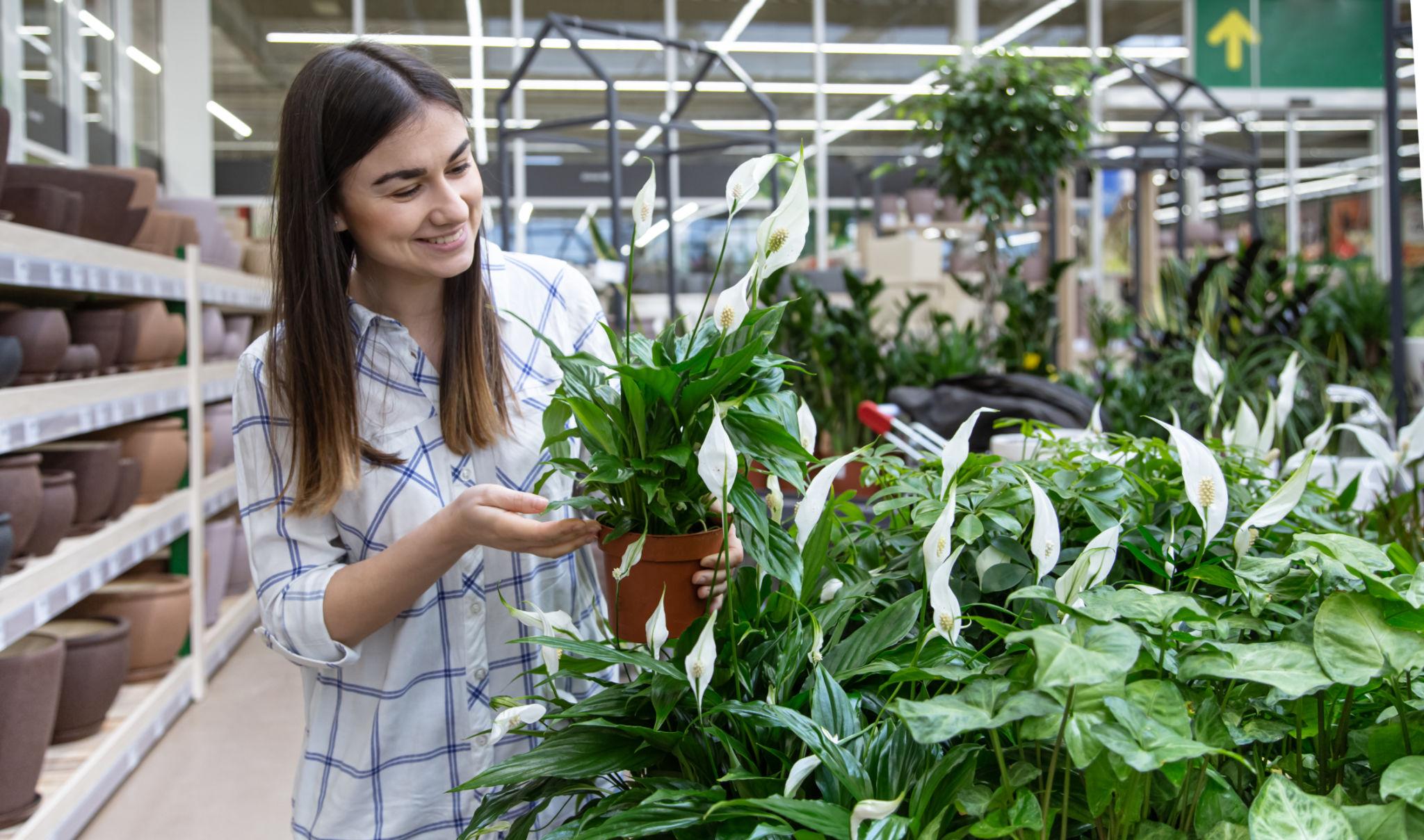
Why Choosing the Right First Plant Matters
Your first gardening experience often determines whether you continue growing plants in the future. Choosing an easy-to-care-for plant builds confidence, teaches essential gardening skills, and helps you develop a regular plant care routine without feeling overwhelmed.
Beginner-friendly plants are generally more adaptable to changing conditions, require less frequent watering, and tolerate occasional care mistakes. These qualities allow new gardeners to learn through experience while enjoying healthy, thriving plants.
Starting with a suitable plant creates a strong foundation for expanding your indoor or outdoor garden over time.
What Should You Consider Before Buying Your First Plant?
- How much natural sunlight does your home receive?
- Will the plant be kept indoors or outdoors?
- How much time can you spend caring for plants?
- Do you travel frequently?
- How much space is available?
- Would you prefer flowering plants or foliage plants?
- Do you want decorative, air-purifying, or edible plants?
- Can the selected location provide proper ventilation?
Best Beginner-Friendly Plants
Some plants are naturally easier to grow than others. They adapt well to indoor environments, require minimal maintenance, and recover quickly from occasional care mistakes. These plants are excellent choices for anyone purchasing their very first plant.
| Plant | Why It's Great for Beginners |
|---|---|
| Snake Plant | Extremely low maintenance and drought tolerant. |
| Pothos | Fast-growing and easy to care for. |
| Spider Plant | Highly adaptable and beginner friendly. |
| Aloe Vera | Requires little watering and grows well indoors. |
| Peace Lily | Beautiful foliage with attractive white blooms. |
Indoor or Outdoor: Which Is Better for Beginners?
Both indoor and outdoor plants can be excellent choices for first-time gardeners. Indoor plants generally require less daily attention and are protected from harsh weather, making them ideal for apartments and busy lifestyles. Outdoor plants often grow faster but need more attention to sunlight, watering, seasonal changes, and pests.
Best First Plants Based on Location
- Indoor: Snake Plant, Pothos, ZZ Plant, Peace Lily, Spider Plant.
- Balcony: Tulsi, Mint, Marigold, Aloe Vera.
- Outdoor Garden: Hibiscus, Jasmine, Rose, Ixora, Sunflower.
1. Match Your Plant to Your Lifestyle
Before purchasing your first plant, think about how much time you can realistically dedicate to plant care. Some plants thrive with minimal attention, while others require frequent watering, pruning, or fertilizing. Choosing a plant that matches your daily routine makes gardening far more enjoyable and increases your chances of success.
If you travel frequently or have a busy schedule, low-maintenance plants are the best option. If you enjoy spending time caring for plants, you can gradually introduce flowering plants or herbs that benefit from more regular attention.
Best Plants Based on Lifestyle
- Busy lifestyle: Snake Plant, ZZ Plant, Aloe Vera.
- Apartment living: Pothos, Peace Lily, Spider Plant.
- Love flowering plants: Marigold, Hibiscus, Jasmine.
- Interested in herbs: Tulsi, Mint, Basil, Rosemary.
2. How to Choose a Healthy Plant
Buying a healthy plant is just as important as choosing the right species. A strong, healthy plant adapts more easily to its new environment and requires less recovery time after being brought home. Carefully inspect the plant before purchasing to ensure it is free from visible damage or signs of stress.
| What to Check | Healthy Sign |
|---|---|
| Leaves | Bright, firm, and free from spots or damage. |
| Stem | Strong and upright. |
| Roots | Healthy without foul odor or excessive crowding. |
| Soil | Clean, slightly moist, and free from mold. |
| Overall Appearance | Balanced growth with fresh new leaves. |
3. Essential Supplies for Your First Plant
Your first plant does not require a large investment. A few essential gardening supplies are enough to help it grow successfully. Purchasing quality materials from the beginning reduces future plant care problems and makes maintenance much easier.
Focus on providing proper drainage, healthy soil, and suitable watering rather than buying unnecessary accessories. Simple, reliable equipment is often all a beginner needs.
Beginner Plant Care Kit
- Pot with drainage holes.
- Quality potting mix.
- Small watering can.
- Spray bottle for humidity-loving plants.
- Organic compost or balanced fertilizer.
- Decorative saucer or tray for indoor pots.
4. Caring for Your Plant During the First Month
The first few weeks are an adjustment period for any new plant. After bringing it home, place it in a suitable location with the appropriate amount of sunlight and avoid moving it frequently. Give the plant time to adapt to its new surroundings before making major changes.
Water only when needed, inspect the leaves regularly, and avoid excessive fertilizing during the first month unless recommended for that specific plant. Consistent observation is more valuable than frequent intervention.
With proper care during the first month, your plant will establish healthy roots and begin producing new growth, setting the foundation for long-term success.
5. Understanding Your Plant's Basic Needs
Every plant has four basic requirements: sunlight, water, nutrients, and suitable growing conditions. Once you understand these essentials, plant care becomes much easier. Most beginner-friendly plants are adaptable, but they still perform best when their basic needs are met consistently.
Rather than watering or fertilizing on a fixed schedule, observe your plant regularly. Healthy leaves, steady growth, and strong stems are good signs that your plant is receiving proper care.
Four Essentials for Healthy Plants
- Provide the correct amount of sunlight.
- Water only when the soil needs moisture.
- Use nutrient-rich potting soil.
- Ensure proper airflow and drainage.
- Inspect plants regularly for healthy growth.
6. Signs Your First Plant Is Happy
Healthy plants communicate through their appearance. By learning to recognize positive growth signs, beginners gain confidence and can quickly identify when their care routine is working well. Most healthy plants respond with fresh leaves, firm stems, and vibrant color.
Regular observation is one of the most valuable gardening skills. Spending a few minutes each week looking closely at your plant helps you notice changes before they become problems.
| Healthy Sign | What It Means |
|---|---|
| Fresh green leaves | The plant is actively growing. |
| New shoots | Healthy root and stem development. |
| Firm stems | The plant is well supported and hydrated. |
| Consistent growth | Proper care routine is working. |
Growing Your Plant Collection Over Time
Once you feel confident caring for your first plant, gradually expand your collection. Adding one or two plants at a time allows you to learn about different species without becoming overwhelmed. Each new plant introduces valuable lessons about watering, lighting, soil, and seasonal care.
Consider mixing foliage plants, flowering plants, herbs, and air-purifying plants to create a diverse and attractive indoor or outdoor garden that suits your lifestyle and available space.
Great Second Plants for Beginners
- ZZ Plant
- Rubber Plant
- Areca Palm
- Philodendron
- Lucky Bamboo
- Syngonium
- Jade Plant
- English Ivy
Every Expert Gardener Started with One Plant
Every experienced gardener remembers buying their very first plant. Success does not come from knowing everything on day one—it comes from observing, learning, and caring for plants consistently. Even if you make small mistakes, each experience teaches valuable lessons that help you become a better gardener.
Your first plant is more than just decoration—it is the beginning of a rewarding hobby that can bring beauty, relaxation, cleaner air, and a deeper connection with nature for years to come.
Common Mistakes When Buying Your First Plant
Many first-time plant owners accidentally make simple mistakes before they even bring a plant home. Choosing a plant based only on appearance, ignoring lighting conditions, or purchasing a plant that requires advanced care can lead to disappointment. Understanding these common mistakes helps you choose a plant that fits your home and lifestyle.
| Common Mistake | Better Choice |
|---|---|
| Buying a difficult plant as your first plant | Start with easy, low-maintenance plants. |
| Ignoring available sunlight | Choose plants suited to your lighting conditions. |
| Using decorative pots without drainage | Always use pots with drainage holes. |
| Watering immediately after bringing the plant home | Check soil moisture before watering. |
| Buying too many plants at once | Master one or two plants before expanding. |
Weekly Plant Care Routine for Beginners
A simple weekly routine keeps your first plant healthy without requiring much time. Consistency is more important than doing too much. Spending a few minutes observing your plant each week helps prevent most common problems before they become serious.
- Check soil moisture before watering.
- Rotate indoor plants for even sunlight exposure.
- Remove yellow or damaged leaves.
- Wipe dust from large leaves with a soft cloth.
- Inspect stems and leaves for pests.
- Ensure drainage holes remain unobstructed.
- Observe new growth and overall plant health.
- Keep a simple care schedule for watering and feeding.
Frequently Asked Questions
Which is the easiest first plant to grow?
Snake Plant, Pothos, Spider Plant, ZZ Plant, and Aloe Vera are among the easiest plants for beginners because they require minimal maintenance and adapt well to indoor environments.
Should I repot my new plant immediately?
It is generally better to allow your new plant to adjust to its environment before repotting unless the plant is clearly root-bound or the container is damaged.
How often should I fertilize my first plant?
Most beginner-friendly plants benefit from light feeding during their active growing season. Always follow the recommendations for your specific plant and avoid over-fertilizing.
What if my first plant loses a few leaves?
A few leaves may naturally drop as a plant adjusts to a new environment. Continue providing proper light, watering, and care while observing for healthy new growth.
Enjoy the Journey of Plant Parenting
Your first plant is the beginning of a rewarding hobby that grows with you. Every new leaf, healthy root, and successful season builds confidence and teaches valuable gardening skills. The goal is not perfection but learning how to care for living plants through patience and observation.
As your experience increases, you'll naturally become more comfortable trying new plant varieties, creating indoor displays, expanding balcony gardens, and transforming your home into a greener, healthier living space.
First Plant Care Checklist
Caring for your first plant becomes much easier when you follow a simple routine. Instead of worrying about every small detail, focus on a few essential tasks that keep your plant healthy and encourage steady growth. A consistent care schedule helps beginners develop confidence and build lasting gardening habits.
| Plant Care Activity | Recommended Frequency | Benefit |
|---|---|---|
| Check soil moisture | Every 2–3 days | Prevents overwatering and underwatering. |
| Inspect leaves and stems | Weekly | Detects pests or health issues early. |
| Clean dusty leaves | Every 2–4 weeks | Improves photosynthesis and appearance. |
| Feed with compost or fertilizer | Every 4–6 weeks | Supports healthy leaves and root development. |
| Rotate the pot | Weekly | Encourages balanced plant growth. |
Signs Your First Plant Is Thriving
Healthy plants show clear signs that they are receiving proper care. By learning to recognize these indicators, beginners can feel more confident and quickly identify whether their gardening routine is working effectively.
- Fresh green leaves appear regularly.
- New shoots and stems develop steadily.
- Leaves remain firm, vibrant, and upright.
- The plant grows evenly toward available light.
- Roots remain healthy without unpleasant odors.
- Flowering plants bloom during their natural season.
- The overall plant continues growing month after month.
Find Your Perfect First Plant at BloomingDen
BloomingDen offers a carefully selected collection of beginner-friendly indoor plants, outdoor plants, flowering plants, herbs, decorative planters, premium potting mixes, and gardening accessories to help every new gardener succeed. Our expert guidance and high-quality products make it easy to choose plants that match your home, lifestyle, and experience level.
Whether you're buying your very first Snake Plant, Pothos, Peace Lily, or Aloe Vera, BloomingDen provides everything you need to start your gardening journey with confidence and enjoy healthy, thriving plants all year round.
Conclusion
Choosing your first plant is the beginning of an enjoyable and rewarding gardening journey. By selecting a beginner-friendly plant, providing the right amount of sunlight, using quality soil, watering carefully, and following a simple maintenance routine, anyone can successfully grow healthy plants at home.
Remember that gardening is a learning experience. Every new leaf, healthy root, and successful season helps you become a more confident plant parent. Small mistakes are part of the process and often become valuable lessons that improve your gardening skills over time.
Start with one easy-to-care-for plant, enjoy watching it grow, and gradually expand your collection as your confidence increases. With patience, consistency, and the right guidance, your first plant can inspire a lifelong passion for gardening and help transform your home into a greener, healthier, and more beautiful living space.