
Indoor Plants / Plant Guide
Philodendron Plant: Complete Care Guide, Benefits & Varieties
Learn how to grow and care for philodendron plants with expert advice on light, watering, chunky soil mixes, propagation, varieties like Birkin, Brasil, and Heartleaf, and indoor placement.
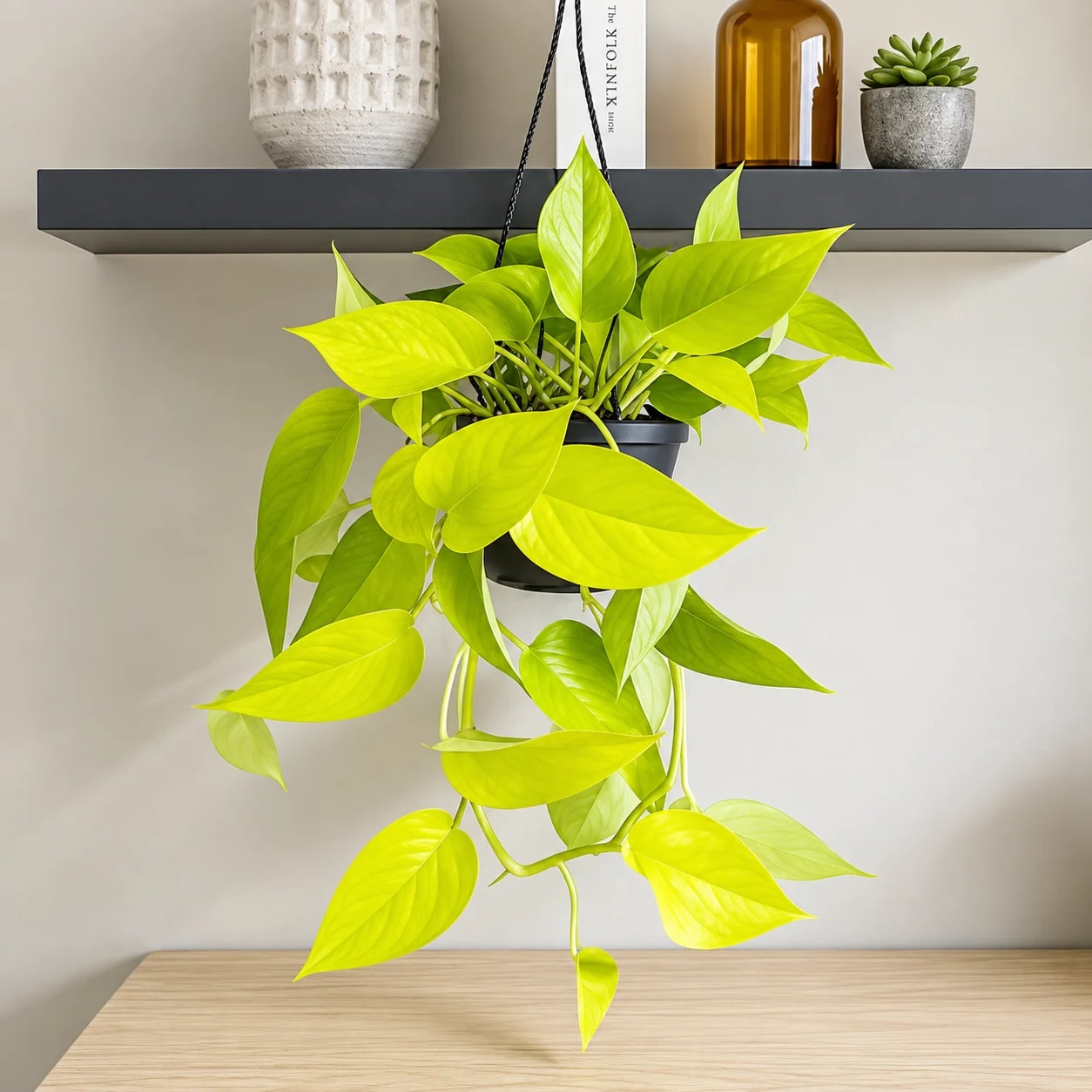
Philodendron Plant Guide
Everything you need to know about philodendron plants
Philodendrons are among the most beloved and versatile indoor plants for homes, modern apartments, offices, bedrooms, and vertical green walls. Whether cascading gracefully from hanging baskets or climbing stately moss poles, their heart-shaped leaves and architectural forms bring instant tropical elegance to any interior.
Philodendrons are especially prized by plant lovers searching for low-maintenance indoor plants or resilient houseplants that adapt to lower-light indoor environments.
They also excel in office cabins and bedrooms where their lush foliage enhances calm aesthetic vibes and purifies stagnant indoor air.
Quick facts
Philodendron Plant at a Glance
Use these fundamental botanical characteristics as a quick reference when selecting and caring for your philodendron.
Common name
Philodendron / Heartleaf Plant
Botanical name
Philodendron spp.
Plant family
Araceae (Aroid family)
Light requirement
Medium to bright indirect light
Watering schedule
Allow top 1–2 inches of soil to dry
Maintenance level
Low to moderate
Growth habit
Vining climber or upright self-heading
Propagation
Stem cuttings in water or potting soil
About the plant
What Is a Philodendron Plant?
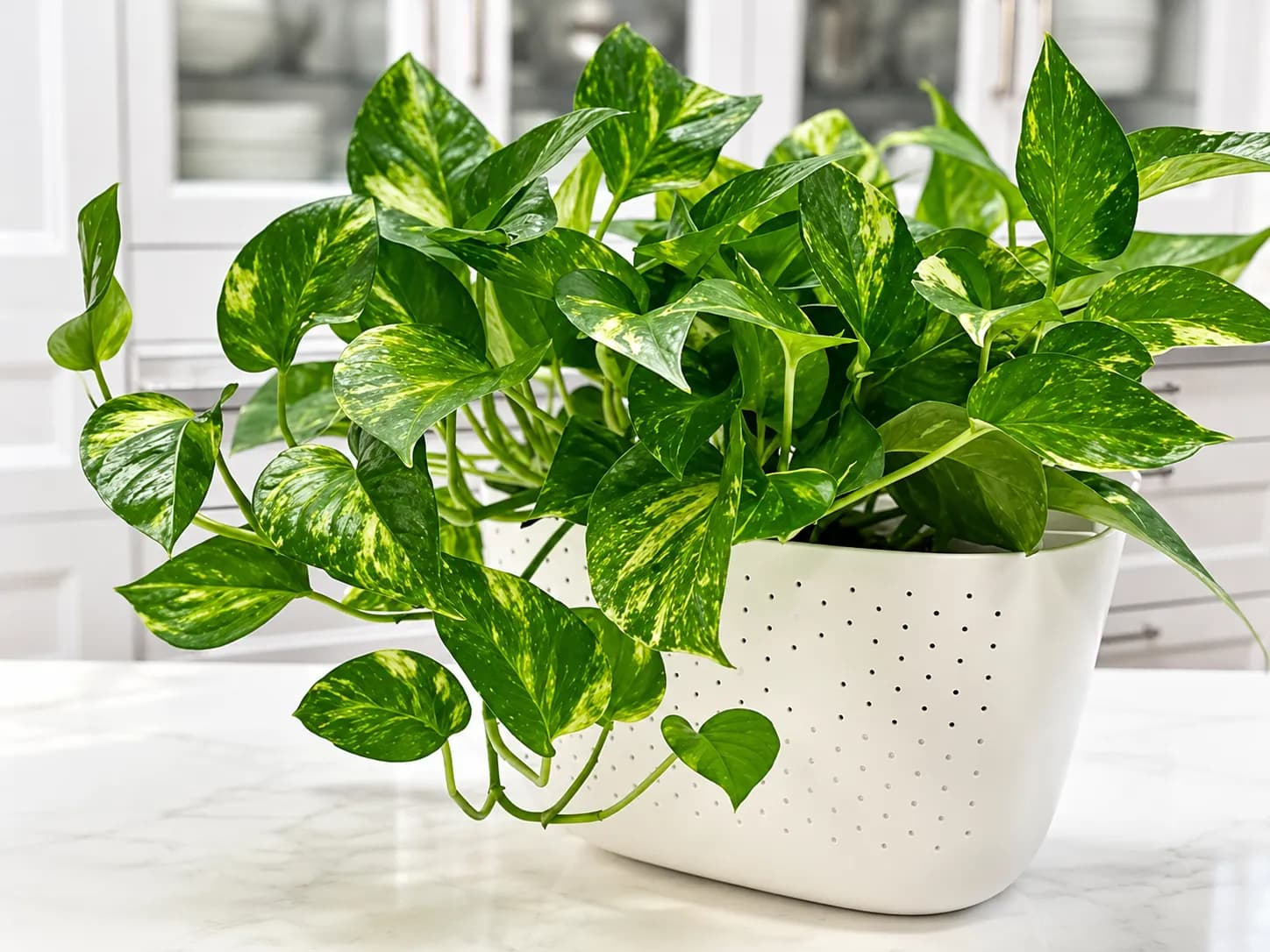
Philodendron is a diverse tropical genus belonging to the Araceae (Aroid) family, native to the rainforest canopies of the Americas. Its name translates from Greek as 'tree-lover' ('philo' meaning love and 'dendron' meaning tree), highlighting its natural instinct to climb surrounding forest trees.
Indoors, philodendrons are broadly categorized into two distinct growth habits: vining climbers (like Heartleaf and Brasil) that trail or climb moss poles, and self-heading varieties (like Birkin, Prince of Orange, and Xanadu) that grow in dense, compact, upright rosettes.
Renowned for their adaptability, philodendrons thrive in typical room temperatures, tolerate moderate watering lapses, and bring timeless natural beauty to tables, shelves, and floor stands.
Care guide
How to Care for a Philodendron Plant
Successful philodendron care revolves around bright indirect light, airy chunky soil, moderate watering, and warm room temperatures.
Philodendron Light Requirements
Watering Schedule
Best Soil Mix for Philodendrons
Temperature Needs
Humidity Preferences
Fertilization
Moss Pole & Climbing Support
Pruning & Leaf Cleaning
Choose the right space
Philodendron Plants for Different Indoor Spaces
Philodendrons suit numerous interior settings when their lighting, temperature, and space needs are thoughtfully matched.
Living Room Plants
Trailing vines look stunning cascading from high bookshelves, TV units, and plant stands with gentle ambient light.
Explore living room plants →Office & Workspace Plants
Compact varieties like Birkin and Prince of Orange bring lively executive charm to desks, reception counters, and conference rooms.
Explore office plants →Bedroom Plants
Philodendrons add soothing natural aesthetics and air purification to nightstands and side dressers.
Explore bedroom plants →Low-Light Indoor Plants
Discover resilient indoor plants that thrive in shaded apartments and corridors away from sunny windows.
Explore low-light plants →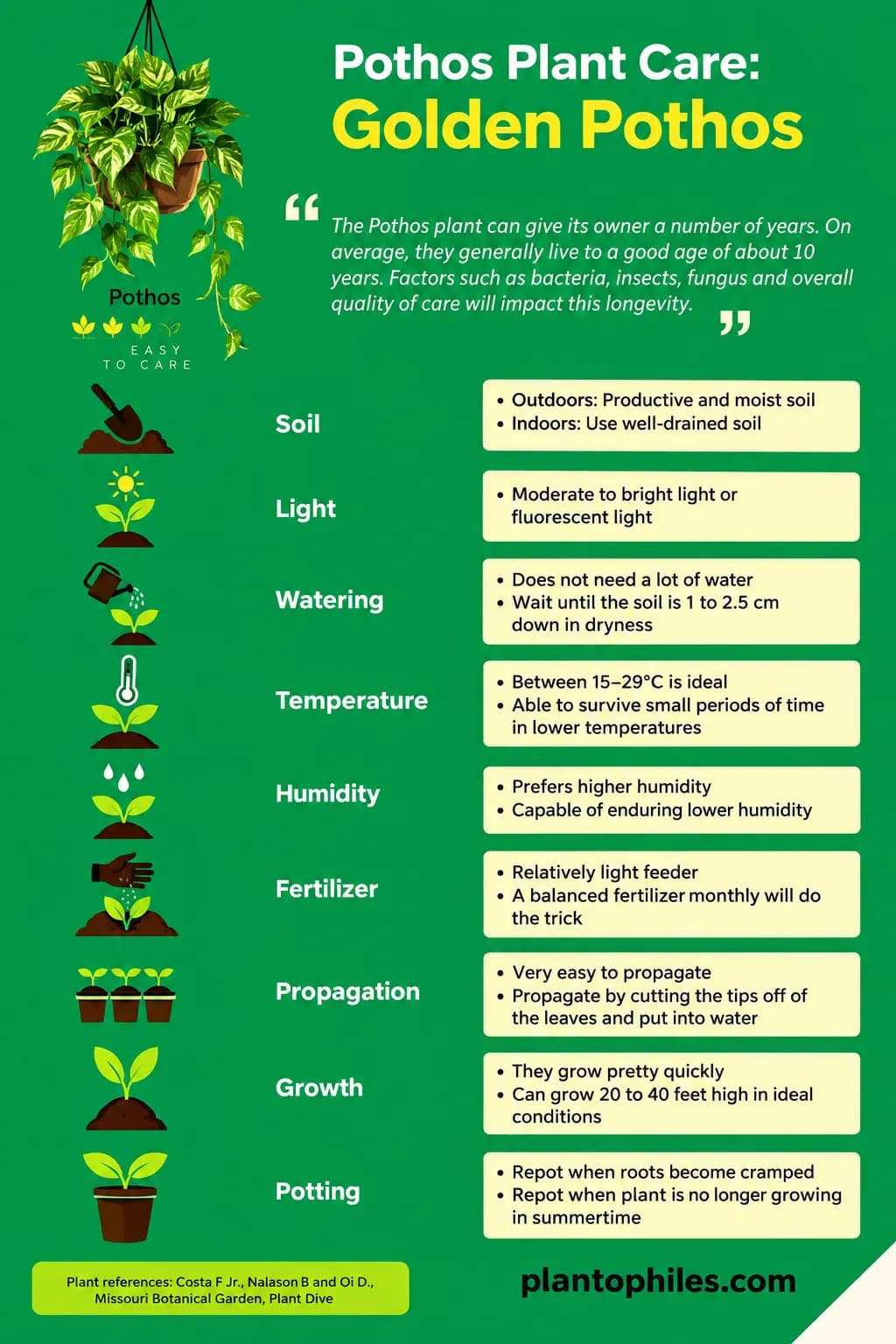
Continue learning
Explore Indoor Foliage Plant Care
Want in-depth tips on watering schedules, natural pest prevention, and soil conditioning for tropical indoor plants? Read our curated plant care guides crafted specifically for Indian climate conditions.
Popular varieties
Philodendron Plant Varieties
From trailing green vines to colorful, variegated, and upright showstoppers, explore popular philodendron cultivars for Indian homes.
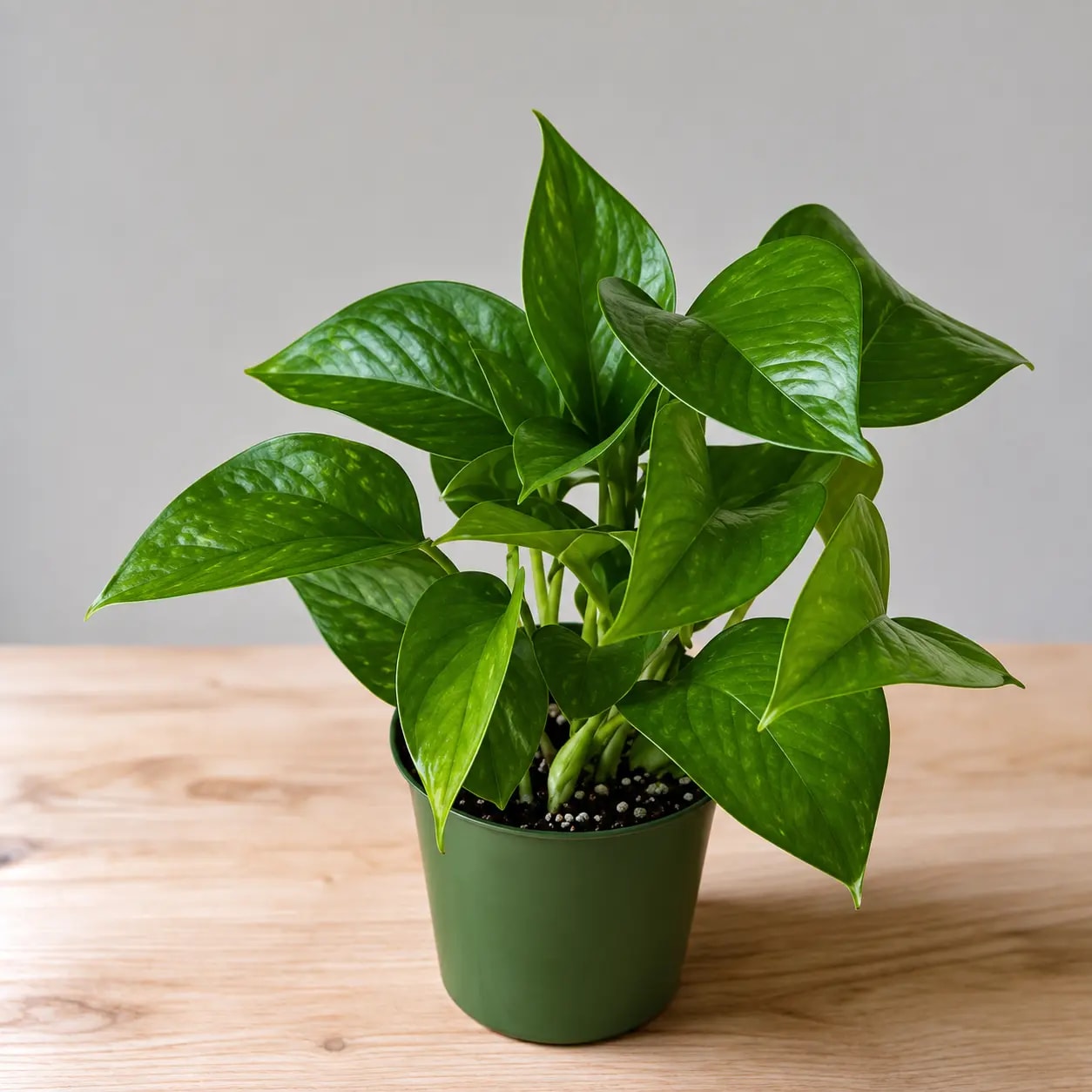
Heartleaf Philodendron
The timeless classic (Philodendron hederaceum) featuring gracefully cascading heart-shaped emerald green leaves that flourish in almost any indoor setting.
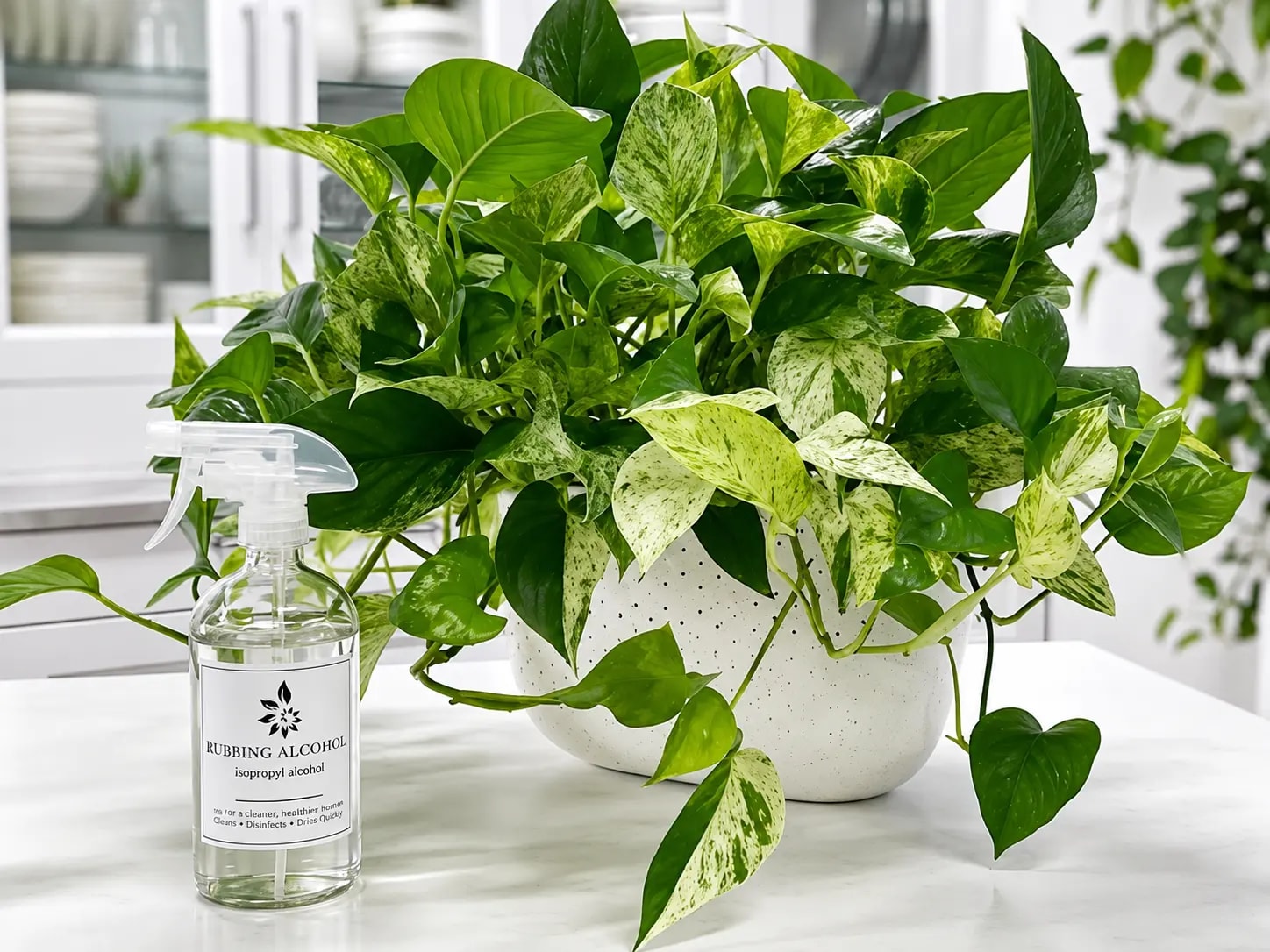
Philodendron Birkin
A stunning self-heading cultivar known for its dark forest green leaves etched with dramatic creamy-white pinstripe variegation.
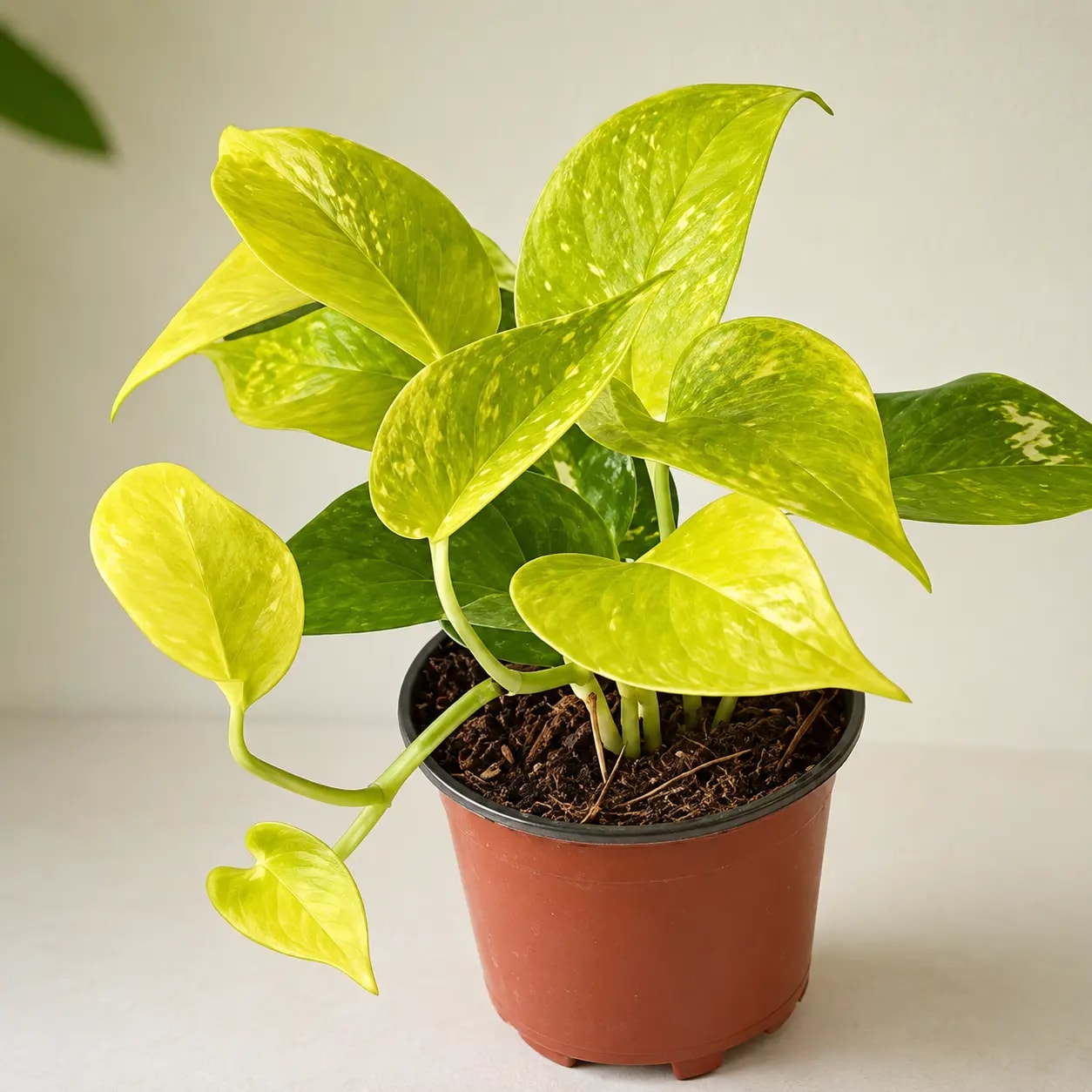
Philodendron Brasil
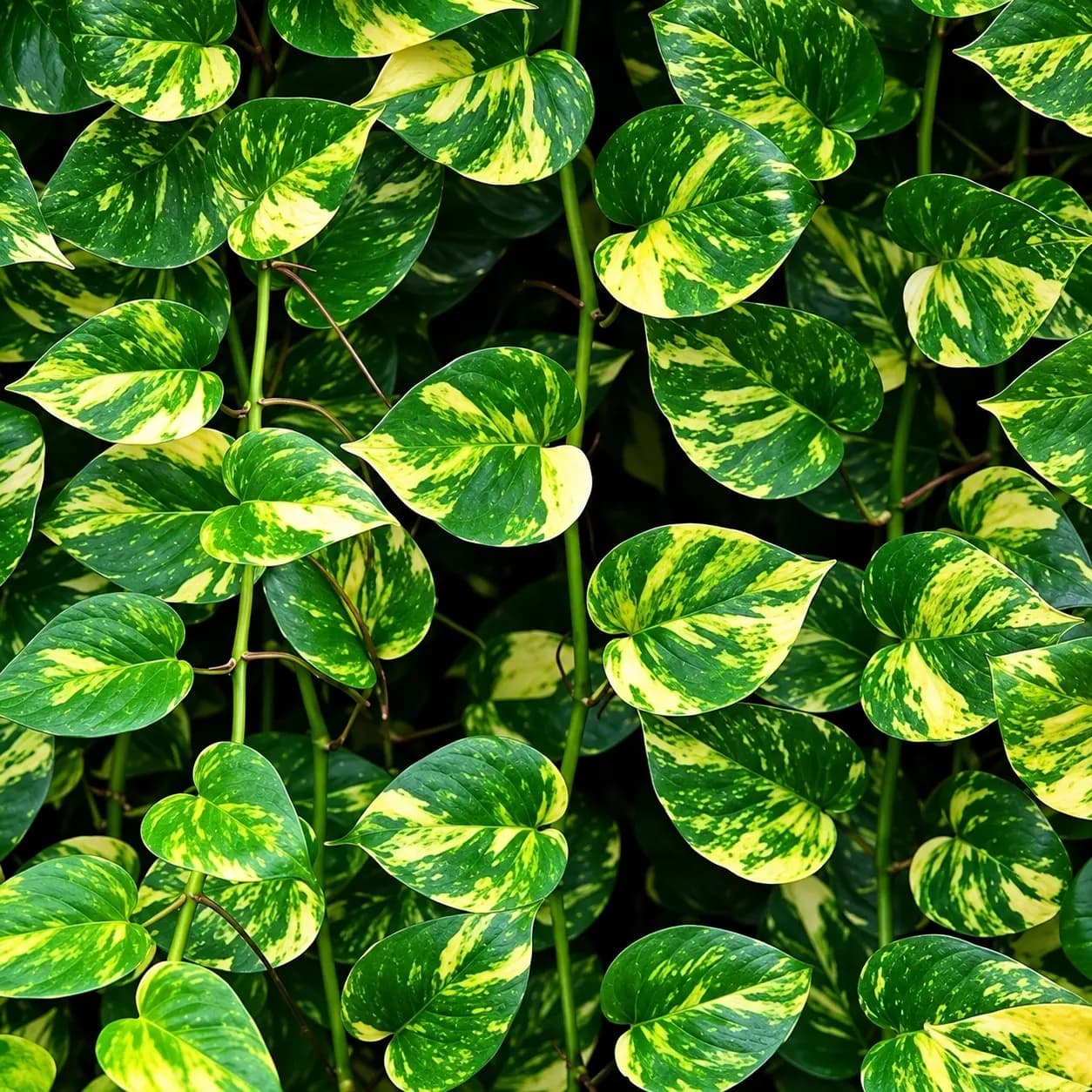
A vibrant trailing favorite showing off heart-shaped foliage painted with lime-yellow and golden-green brushstrokes down the center of each leaf.
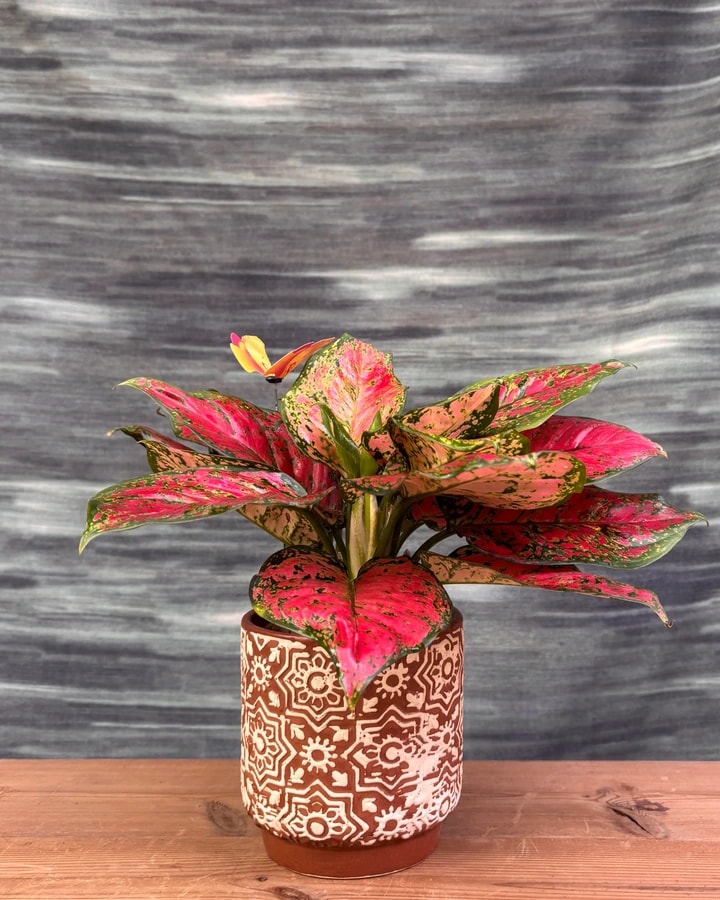
Pink Princess
A highly sought-after rare collector variety with rich burgundy-black foliage splashed with splashes of vibrant bubblegum pink.
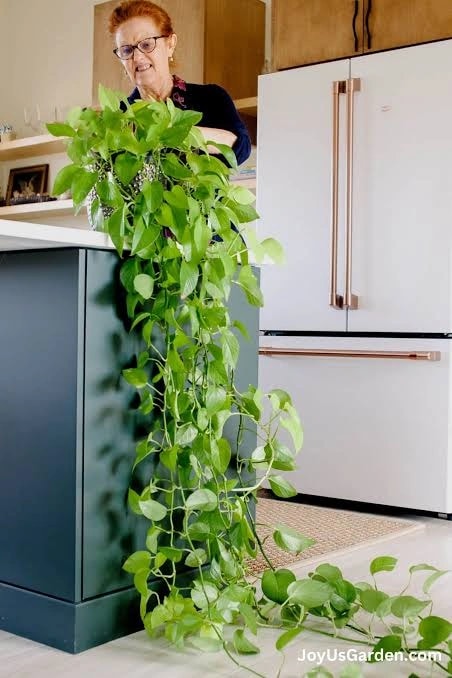
Prince of Orange
An upright, self-heading plant whose new leaves emerge in radiant shades of copper and apricot-orange before maturing to bright chartreuse green.
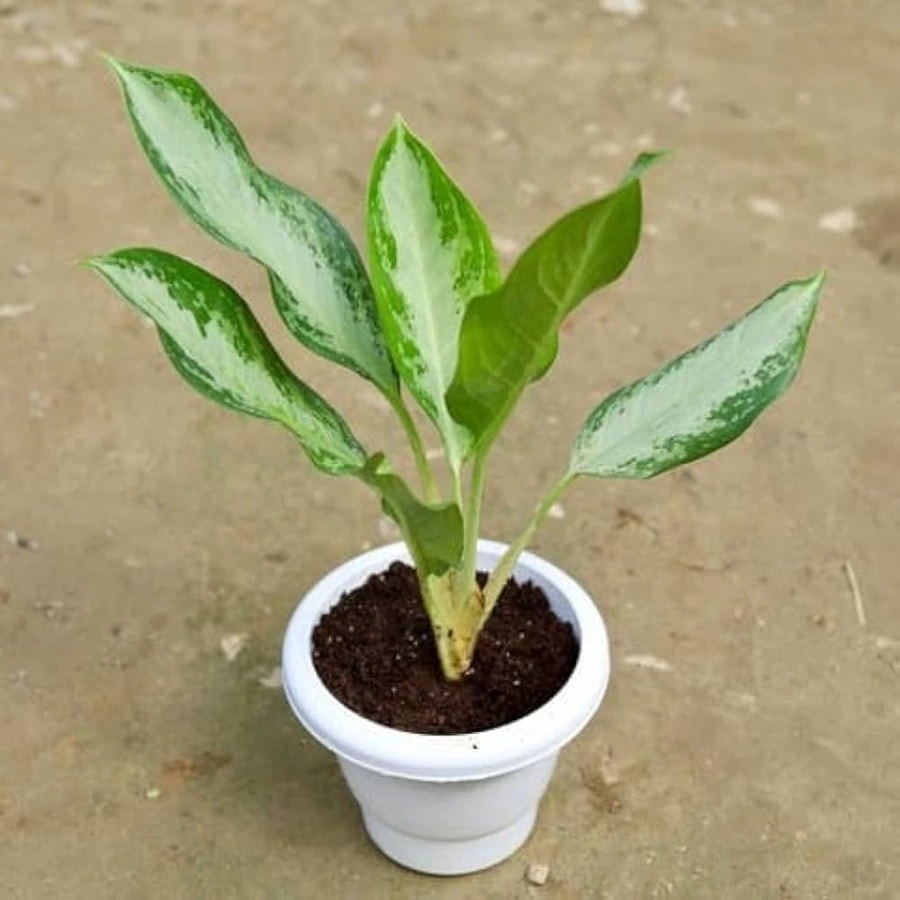
Philodendron Xanadu
A dense, non-vining tropical shrub showcasing deeply lobed, ruffled green leaves that add architectural drama to floors and corners.
Why choose a philodendron?
Philodendron Plant Benefits
- • Extremely forgiving and adaptable for novice gardeners.
- • Vining forms cascade beautifully from bookshelves and hanging planters.
- • Thrives under ambient indoor lighting and filtered room glow.
- • Cleanses indoor air and enhances ambient room humidity.
- • Effortless propagation via stem cuttings in clean water.
- • Exceptional variety of leaf colors—from neon lime to pink and coppery orange.
Indoor placement
Where to Keep a Philodendron Plant
Choose placement based on ambient filtered light, room humidity, and whether your variety trails or climbs.
Bookshelves & High Shelves
Work Desks & Console Tables
Hanging Macrame Planters
Plant Stands with Moss Poles
Propagation
How to Propagate a Philodendron Plant
Philodendrons are exceptionally easy to propagate through simple stem cuttings in water or potting medium.
Water Propagation
Take a 4–6 inch healthy stem cutting just below an aerial root node. Place the stem in a glass of water, ensuring the node stays submerged while keeping leaves dry. Roots emerge within 2 to 3 weeks.
Soil Propagation
Insert fresh cuttings directly into a moist, airy aroid potting mix (coco coir and perlite). Keep the soil lightly damp and in warm bright indirect light until new shoots appear.
Troubleshooting
Common Philodendron Plant Problems & Solutions
Leaf discoloration, drooping, or sluggish growth offer clear signals about watering, light, and soil drainage.
Yellowing Leaves
Consistently yellow leaves usually signal overwatering, poor pot drainage, or dense, heavy soil. Inspect the roots and let the topsoil dry before watering again.
Brown, Crispy Leaf Tips
Crispy tips are typically caused by low indoor humidity, dry air from air-conditioners, or tap water with high mineral/chlorine content.
Drooping or Limp Stems
Wilting leaves mean the plant is thirsty and needs water. However, if the soil is soaking wet, it indicates root rot preventing moisture uptake.
Leggy Vines with Small Leaves
Vines with long spaces between small leaves point to inadequate light. Move the plant closer to an east- or north-facing window for bushier growth.
Loss of Leaf Variegation
Varieties like Brasil or Birkin turning solid green require brighter indirect light to produce their signature colored patterns.
Pale, Washed-Out Foliage
Too much harsh direct sunlight can bleach or scorch delicate tropical leaves. Provide sheer curtain filtering or move slightly back from window glass.
Is your plant struggling or showing yellow leaves?
Send a photo to our Gurugram plant care experts on WhatsApp or book a doorstep health check.
For Indian homes
Philodendron Care in the Indian Climate
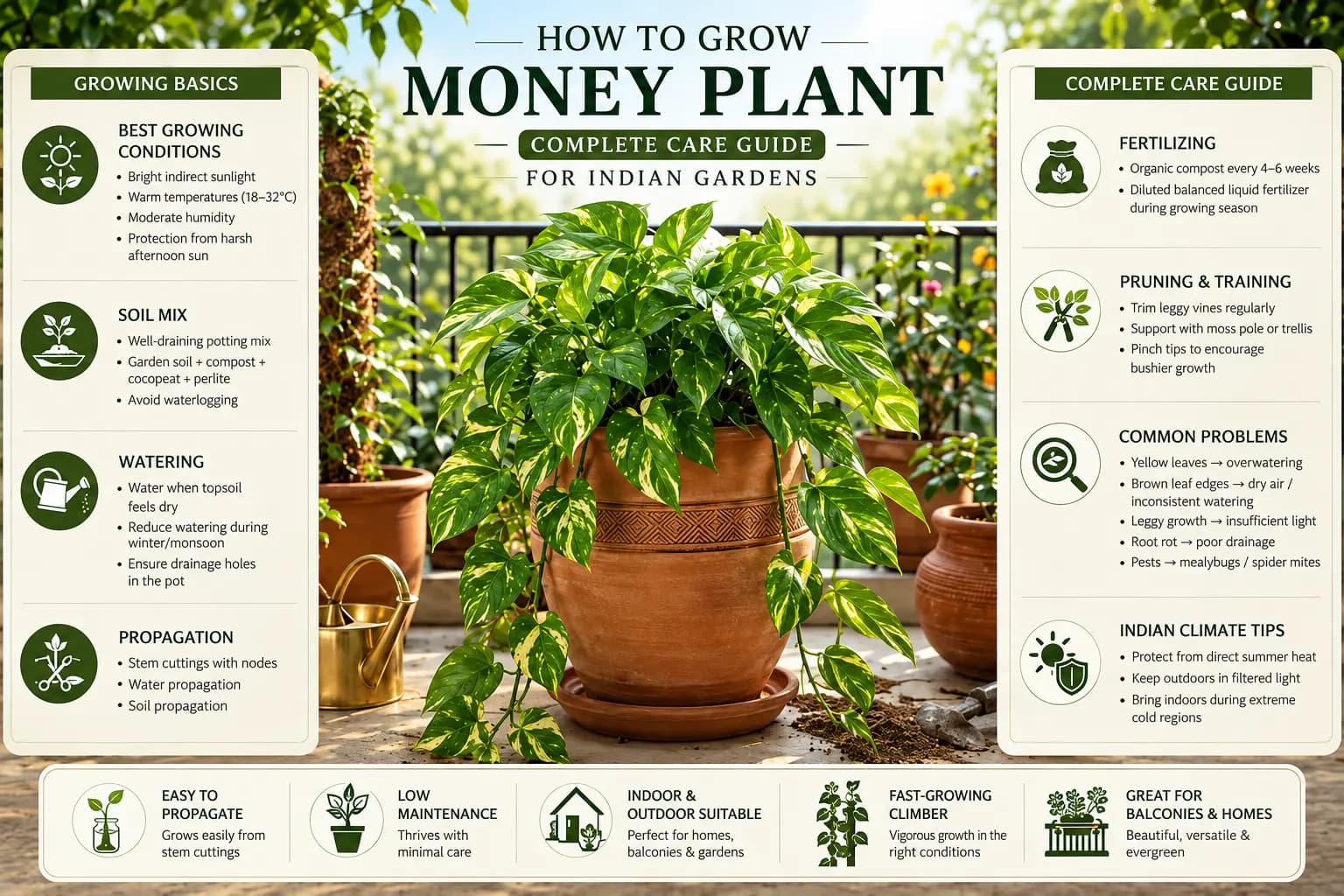
In North and Central India, summers can be intensely hot and dry, while winters bring chilly nights and dry indoor air. Keep philodendrons away from harsh afternoon sun and direct air-conditioner blasts in summer.
During the monsoon season, high humidity fuels rapid vine growth. However, reduced evaporation means you should water less frequently and check that excess drainage water empties freely from saucers.
During cooler winter months, watering needs drop noticeably. Water only when the topsoil feels completely dry and maintain a well-draining, airy chunky potting medium year-round.
Quick checklist
Simple Philodendron Plant Care Checklist
- • Inspect soil moisture with your finger before watering.
- • Always select containers with functional drainage holes.
- • Place in bright, filtered indirect sunlight.
- • Avoid dense, waterlogged soils that cause root rot.
- • Support climbing vines with a moist coco or moss pole.
- • Wipe broad leaves monthly to clear dust and encourage growth.
Plant care principle
Listen to the plant, not a rigid calendar
Water and nutrient requirements shift naturally with seasonal temperatures, room light, pot size, and humidity. Observing foliage texture and topsoil moisture is far more effective than watering on a rigid schedule.
Related reading
More Indoor Plant Guides
Discover related Blooming Den guides to expand your indoor greenery.
Pothos Plant
Pothos Plant Care Guide
Learn about growing pothos, comparing trailing habits, light needs, and varieties.
Read guide →Money Plant
Money Plant Care Guide
Discover essential money plant care tips for homes, balconies, and indoor spaces.
Read guide →Snake Plant
Snake Plant Care Guide
Explore low-light tolerance, watering schedules, and architectural placement for snake plants.
Read guide →Peace Lily
Peace Lily Care Guide
Understand peace lily watering, gentle shade requirements, and flowering cycles.
Read guide →ZZ Plant
ZZ Plant Care Guide
Explore practically indestructible ZZ plants that thrive in offices and low-light corners.
Read guide →Aglaonema Plant
Aglaonema (Chinese Evergreen) Guide
Learn how to care for colorful foliage plants that flourish in indoor shade.
Read guide →Frequently asked questions
Philodendron Plant FAQs
Answers to common questions regarding philodendron care, watering, light needs, varieties, and troubleshooting.
When to plant philodendron or repot it?
The best time to plant philodendron or repot it is during early spring to early summer (March through June). During these warm, active growing months, root systems quickly establish in fresh, well-aerated potting mix. Avoid repotting during peak winter cold unless the plant is severely root-bound.
How often should you water a philodendron plant?
Water your philodendron when the top 1 to 2 inches of potting soil feel completely dry to the touch. In warm spring and summer months in India, this usually means watering every 4 to 7 days, whereas in cooler winter months watering can be reduced to every 10 to 14 days. Always ensure the pot has drainage holes to prevent root rot.
Can philodendrons survive in low light?
Yes, vining types like the Heartleaf Philodendron tolerate low to moderate indirect indoor light reasonably well. However, they grow faster and produce larger, healthier foliage in medium to bright indirect light. Highly variegated varieties such as Birkin, Brasil, and Pink Princess require bright filtered sunlight to maintain their striking leaf colors.
Is philodendron easy to care for for beginners?
Philodendrons are among the most forgiving, resilient houseplants for beginners. They adapt easily to indoor room temperatures, recover quickly from minor underwatering, and communicate their water needs clearly by showing slight leaf softeness or drooping when thirsty.
What is the difference between Philodendron and Pothos?
While both belong to the Araceae family and feature heart-shaped leaves, Philodendrons have softer, thinner leaves with curved leaf bases and sprout new leaves from specialized papery sheaths called cataphylls. Pothos leaves are typically thicker, glossier, and emerge directly from the preceding leaf stem without a separate papery sheath.
Why are my philodendron leaves turning yellow?
The most common culprit is overwatering or waterlogged soil that restricts oxygen flow to the root system. Other potential reasons include natural ageing of lower bottom leaves, insufficient light, or cold indoor drafts from air conditioners.
How do you propagate a philodendron plant?
Philodendrons propagate effortlessly via stem cuttings. Simply cut a 4–6 inch healthy stem segment just below an aerial root node (the small bump where leaves meet the vine), remove the bottom leaf, and place the cutting in clean water or moist perlite mix. Roots typically emerge within 2 to 3 weeks.
Do philodendrons need a moss pole or trellis?
Vining and climbing varieties—like Heartleaf, Brasil, and Pink Princess—love climbing moss poles, coco coir stakes, or trellises. Giving aerial roots support allows climbing philodendrons to mature, producing noticeably larger, broader leaves over time.
Are philodendrons safe around pets and children?
Philodendrons contain microscopic insoluble calcium oxalate crystals which can cause oral irritation, excessive drooling, and digestive discomfort if chewed or ingested by cats, dogs, or toddlers. Place trailing varieties on high shelves or in hanging planters out of reach of curious pets.
Blooming Den
Build a greener, happier indoor sanctuary
Explore our handpicked collection of indoor plants, organic plant care supplies, and doorstep maintenance services in Gurugram.